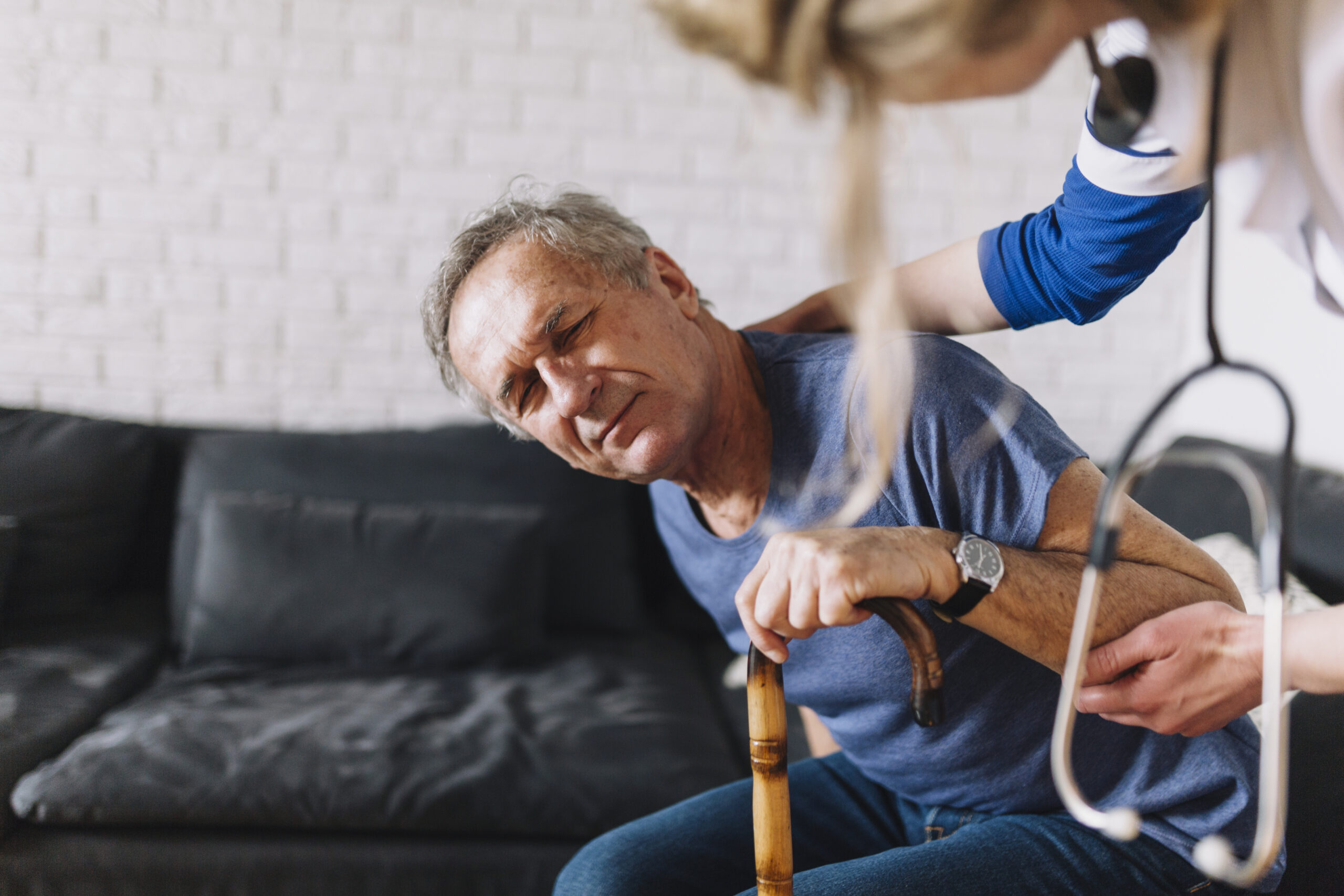
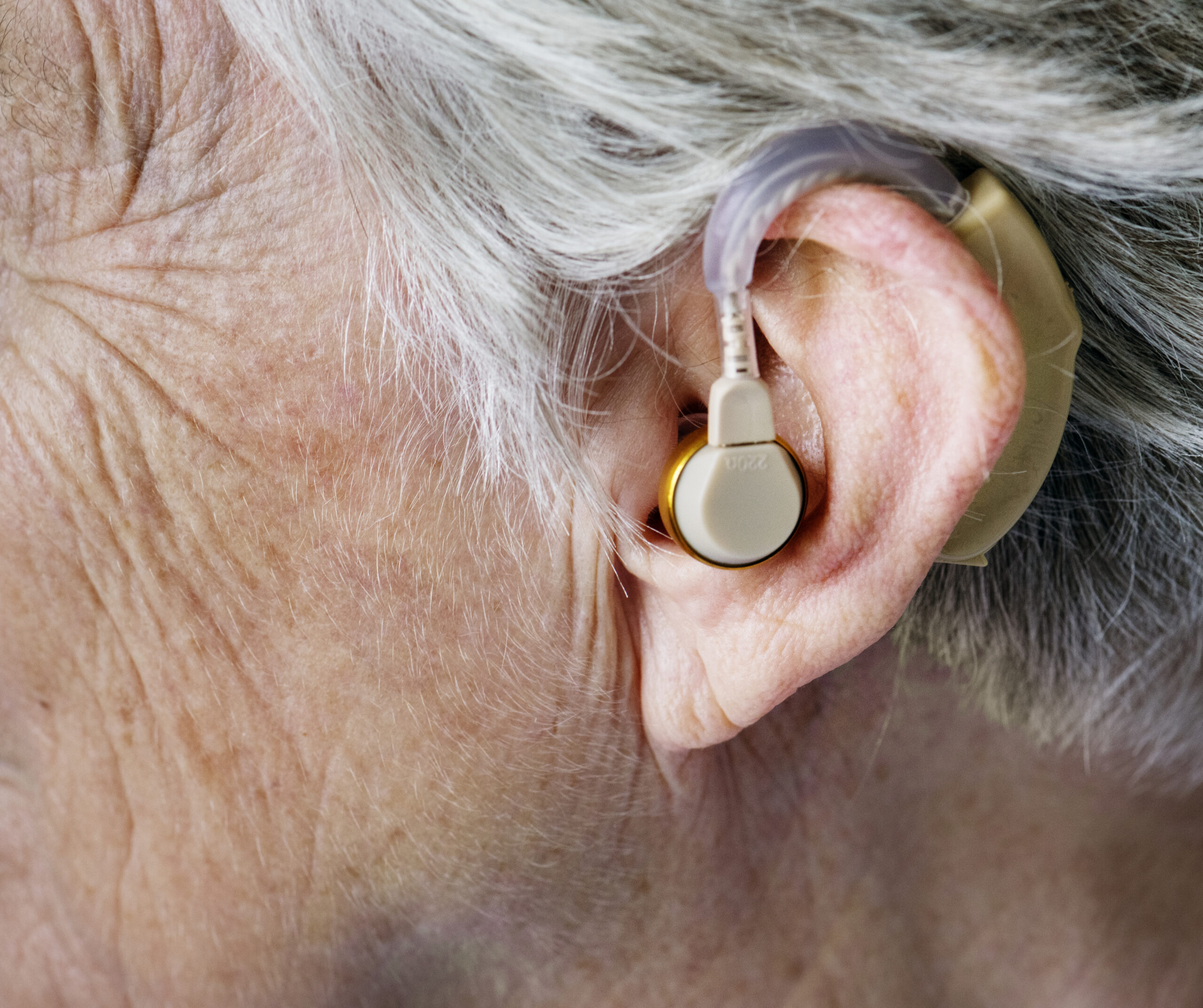
Stroke Awareness: What You Need to Know About Prevention, Warning Signs, and Recovery
Category:

A stroke can change a person’s life in an instant. One minute, someone may be carrying on a conversation or enjoying time with family. The next, they may have trouble speaking, walking, or even recognizing the people around them. It can be frightening, but knowing what to look for and acting quickly can make all the difference.
According to the Centers for Disease Control and Prevention (CDC), someone in the United States has a stroke about every 40 seconds. While strokes are more common in older adults, they can happen to people of all ages. The good news is that up to 80% of strokes may be preventable through healthy lifestyle choices and proper management of medical conditions.
Whether you’re looking after an aging parent, caring for a spouse, or simply learning how to protect your own health, understanding strokes is one of the best ways to be prepared.
What Is a Stroke?
A stroke happens when blood flow to part of the brain is interrupted or when a blood vessel in the brain bursts. Without oxygen-rich blood, brain cells begin to die within minutes.
Because different parts of the brain control different functions, the effects of a stroke vary from person to person. Some people may experience weakness on one side of the body, while others may have trouble speaking, seeing, or remembering things.
The sooner someone receives medical treatment, the better the chances of limiting brain damage and improving recovery.
The Three Types of Stroke
Not all strokes are the same. Understanding the different types can help explain why symptoms and treatments vary.
Ischemic Stroke
This is the most common type of stroke, making up nearly 90% of all cases. It occurs when a blood clot blocks an artery that supplies blood to the brain.
Hemorrhagic Stroke
A hemorrhagic stroke happens when a weakened blood vessel bursts and causes bleeding in or around the brain. High blood pressure is one of the biggest risk factors for this type of stroke.
Transient Ischemic Attack (TIA)
Often called a mini-stroke, a TIA is caused by a temporary blockage of blood flow to the brain. Symptoms usually go away within minutes or hours, but they should never be ignored. A TIA is often a warning sign that a larger stroke could happen in the future.
Know the Warning Signs
When it comes to strokes, time is critical. The longer the brain goes without oxygen, the more damage can occur.
Healthcare professionals use the acronym BE FAST to help people recognize the warning signs.
B: Balance
Watch for sudden dizziness, loss of balance, or trouble walking.
E: Eyes
Blurred vision, double vision, or sudden vision loss in one or both eyes can all be warning signs.
F: Face
Ask the person to smile. If one side of the face droops or looks uneven, it could be a stroke.
A: Arms
Ask them to raise both arms. If one arm drifts downward or feels weak or numb, seek medical help immediately.
S: Speech
Listen for slurred speech, difficulty finding words, or confusion. If something sounds off, don’t ignore it.
T: Time
If you notice any of these symptoms, call 911 right away. Do not drive the person to the hospital yourself unless there is no other option. Emergency responders can begin treatment on the way and notify the hospital that a possible stroke patient is arriving.
Other Symptoms You Shouldn’t Ignore
Not every stroke looks the same. Some people may experience symptoms that don’t fit neatly into the BE FAST acronym.
Other warning signs include:
- Sudden numbness on one side of the body
- A severe headache that comes on suddenly with no known cause
- Difficulty understanding what others are saying
- Trouble swallowing
- Sudden confusion
- Loss of coordination
- Trouble walking
- Extreme weakness or fatigue
If something feels wrong, it’s always better to call 911 than to wait and hope the symptoms go away.
Who Is at Risk for a Stroke?
Some risk factors cannot be changed, but many can.
You may be at higher risk if you:
- Are over age 55
- Have high blood pressure
- Have diabetes
- Have high cholesterol
- Smoke or use tobacco products
- Have heart disease or atrial fibrillation (AFib)
- Are overweight
- Live a sedentary lifestyle
- Drink excessive amounts of alcohol
- Have had a previous stroke or TIA
- Have a family history of stroke
Even if you feel healthy, regular checkups can help identify risk factors before they become serious problems.
How to Reduce Your Risk
While not every stroke can be prevented, healthy habits can greatly lower your risk.
Monitor Your Blood Pressure
High blood pressure is the leading cause of stroke. Many people don’t realize they have it because it often has no symptoms. Have your blood pressure checked regularly and take any prescribed medications as directed.
Eat a Balanced Diet
A healthy diet helps protect both your heart and your brain.
Try to eat more:
- Fruits
- Vegetables
- Whole grains
- Lean proteins
- Fish
- Nuts
- Beans
Try to limit:
- Processed foods
- Fried foods
- Sugary drinks
- Foods high in sodium
- Saturated fats
Healthy eating doesn’t have to be perfect. Small changes made consistently often have the biggest impact.
Stay Active
Aim for at least 30 minutes of physical activity most days of the week. Walking, swimming, biking, yoga, or gardening are all excellent ways to stay active.
Exercise helps lower blood pressure, improve circulation, maintain a healthy weight, and reduce stress.
Quit Smoking
Smoking damages blood vessels and significantly increases the risk of stroke. It’s never too late to quit, and your healthcare provider can recommend resources to help.
Manage Chronic Health Conditions
Conditions like diabetes, heart disease, and high cholesterol should be managed with the help of your healthcare provider. Keeping these conditions under control can greatly reduce stroke risk.
Get Enough Sleep
Poor sleep can contribute to high blood pressure and heart disease. Most adults should aim for seven to nine hours of quality sleep each night.
What Happens After a Stroke?
Every stroke is different, so recovery looks different for everyone.
Some people recover within weeks, while others continue rehabilitation for months or even years.
Common challenges after a stroke include:
- Weakness or paralysis on one side of the body
- Difficulty walking
- Trouble speaking
- Memory loss
- Difficulty swallowing
- Vision problems
- Fatigue
- Depression or anxiety
Many stroke survivors improve with therapy, patience, and ongoing support.
Stroke Rehabilitation
Recovery often involves a team of healthcare professionals working together.
Physical Therapy
Physical therapists help improve strength, balance, coordination, and mobility. Therapy may begin while someone is still in the hospital and continue after they return home.
Occupational Therapy
Occupational therapists focus on daily activities like bathing, dressing, cooking, and safely moving around the home.
Speech Therapy
Speech therapists help people regain communication skills and treat swallowing difficulties that often occur after a stroke.
Emotional Recovery
A stroke affects more than the body. Many survivors experience frustration, anxiety, sadness, or depression as they adjust to changes in their daily lives.
Family support, counseling, support groups, and open communication can all play an important role in emotional healing.
Caring for a Loved One After a Stroke
If you’re caring for someone recovering from a stroke, your support can make a meaningful difference.
Here are a few ways to help.
Make the Home Safer
Simple changes around the house can help prevent falls.
- Remove loose rugs.
- Keep walkways clear.
- Install grab bars in the bathroom.
- Make sure rooms are well lit.
- Use mobility equipment recommended by therapists.
Encourage Independence
It can be tempting to do everything for someone after a stroke, but allowing them to do what they can safely do on their own helps build confidence and supports recovery.
Keep Up With Medications
Many stroke survivors take medications to prevent another stroke. Pill organizers, reminder apps, or written schedules can help make sure medications are taken correctly.
Attend Follow-Up Appointments
Regular visits with healthcare providers allow progress to be monitored and treatment plans to be adjusted if needed.
Be Patient
Recovery can be slow, and progress doesn’t always happen in a straight line. Celebrate the small victories. Whether it’s taking a few more steps, speaking a little more clearly, or gaining confidence with everyday tasks, each milestone matters.
Can Someone Have More Than One Stroke?
Yes. In fact, having one stroke increases the risk of having another.
That’s why it’s so important to:
- Take medications as prescribed.
- Control blood pressure and cholesterol.
- Stay active.
- Eat a healthy diet.
- Stop smoking.
- Keep follow-up appointments.
- Continue therapy if recommended.
Making these habits part of daily life can significantly reduce the risk of another stroke.
The Importance of Acting Quickly
One of the biggest mistakes people make is waiting to see if symptoms improve.
Stroke symptoms can come and go, especially during a TIA, but that doesn’t mean the danger has passed.
The earlier treatment begins, the better the chances of recovery. In some cases, clot-busting medications can reduce the effects of an ischemic stroke, but they must be given within a limited amount of time after symptoms begin.
If you think someone may be having a stroke, don’t second-guess yourself. Call 911 immediately.
How Home Care Can Help After a Stroke
Coming home after a stroke is often the beginning of a new chapter. While many survivors are eager to regain their independence, everyday tasks may still be challenging for weeks or months.
Having professional support at home can make recovery less overwhelming for both the individual and their family.
A caregiver can assist with:
- Personal care, including bathing and dressing
- Meal planning and preparation
- Medication reminders
- Light housekeeping
- Transportation to appointments
- Mobility assistance
- Fall prevention
- Companionship and emotional support
Just as important, caregivers provide peace of mind. Family members can feel more confident knowing their loved one has someone there to help while they continue healing.
A stroke can happen without warning, but knowing the signs can help you respond quickly when every minute counts. Learning your risk factors, making healthy lifestyle choices, and keeping up with routine medical care can go a long way in preventing a stroke.
For those recovering from a stroke, healing doesn’t happen overnight. It takes time, patience, and the right support system. With rehabilitation, encouragement, and compassionate care, many stroke survivors are able to regain independence and continue living meaningful, fulfilling lives.
At Griswold Home Care, we understand that recovery doesn’t end when someone leaves the hospital. Our caregivers are here to provide the extra support families need, whether it’s help with daily routines, companionship, mobility assistance, or simply offering a helping hand. Our goal is to help clients remain safe, comfortable, and independent in the place they call home.
Ready To Schedule Care or Learn More?
📞 Call us at (301) 949-3824
🌐 www.griswoldhomecare.com/chevy-chase
📍 Serving Chevy Chase, Bethesda, Potomac, Rockville, and surrounding Montgomery County communities
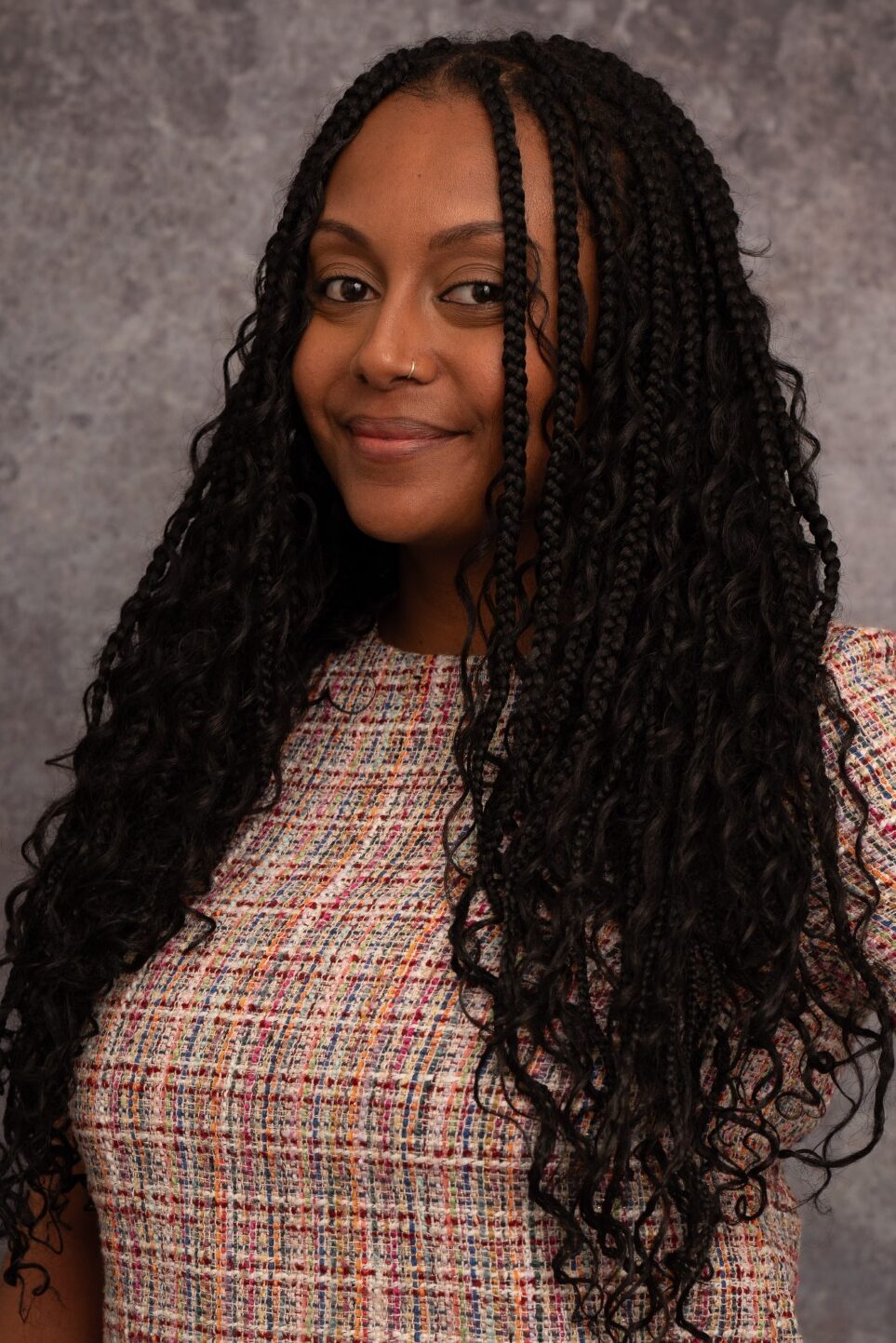
About the Author:
Saron Messay, Communications Specialist
Saron is a communications professional with over a decade of experience in client relations, customer service, and administration. She is passionate about enhancing the quality of care for older adults and is known for her ability to navigate complex situations with professionalism, empathy, and compassion. Through clear communication, relationship building, and a strong commitment to service, Saron helps create positive experiences for clients, families, and caregivers while strengthening meaningful connections within the community.
Subscribe
Date: July 29, 2026
Category: