June is National Safety Month: How to Help Older Adults Stay Safe at Home
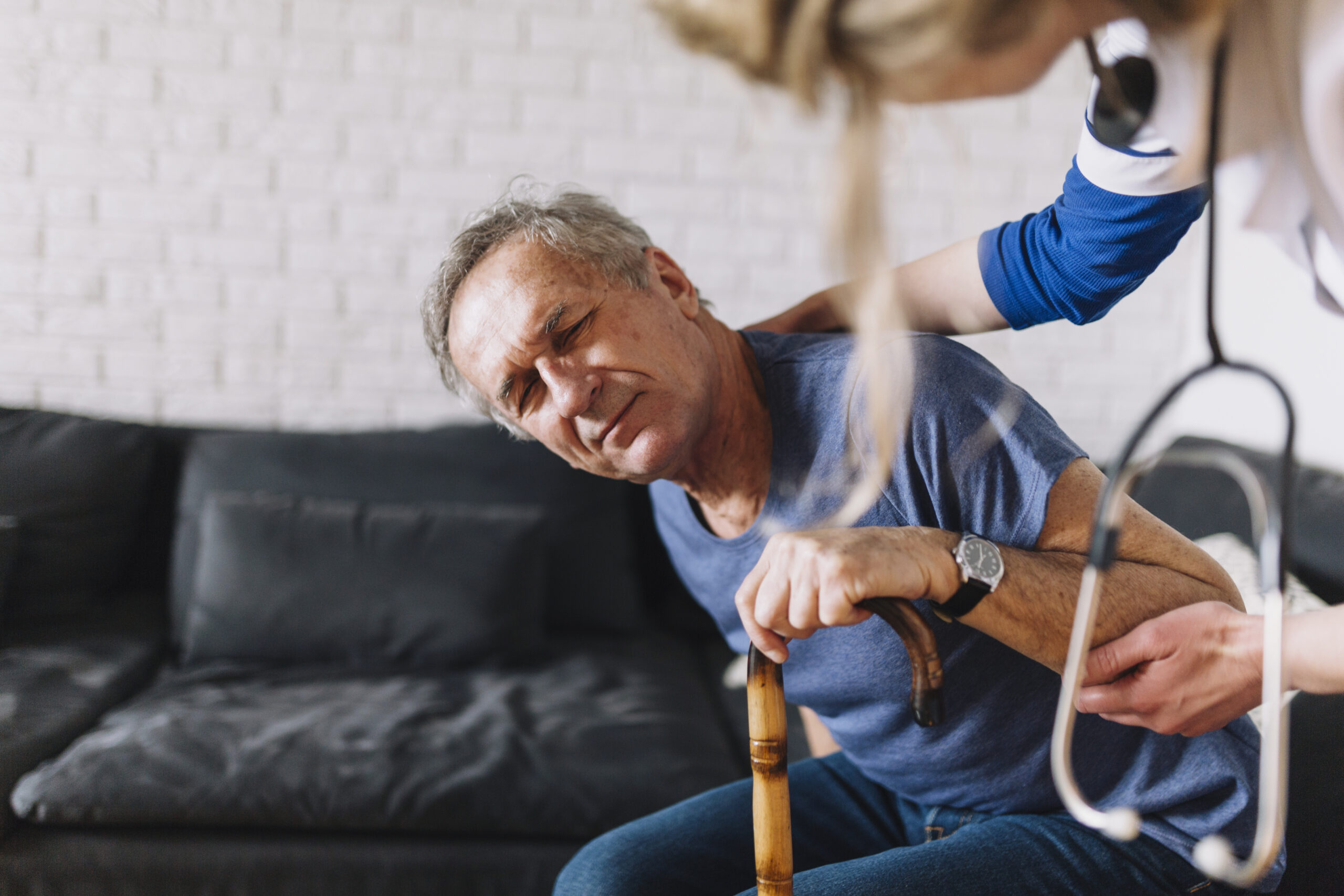
June is National Safety Month, making it the perfect time to take a closer look at home safety, especially for older adults who want to continue living safely and independently at home. For many families, the home feels like the safest place for a loved one to be. However, everyday items like loose rugs, poor lighting, cluttered walkways, or hard-to-reach essentials can increase the risk of falls and injuries.
Falls are among the leading causes of injury for older adults, and even one fall can have a major impact on a senior’s confidence, mobility, and independence. The good news is that many fall risks can be reduced with simple changes around the home. A home safety assessment can help identify potential hazards and create a safer, more supportive environment for your loved one.
Why Fall Prevention Matters for Seniors
As we age, changes in balance, vision, strength, and mobility can make falls more likely. Some older adults may also take medications that cause dizziness or drowsiness, which can increase the risk of losing balance. Stairs, bathrooms, kitchens, and poorly lit hallways are common areas where accidents can happen.
A fall can lead to injuries such as bruises, fractures, head injuries, or hospitalizations. But beyond the physical injury, falls can also affect emotional well-being. Many seniors become fearful of falling again, which may cause them to limit their activity. Over time, less movement can lead to weakness, isolation, and a greater need for assistance.
That is why prevention is so important. Taking steps before an accident happens can help older adults feel more confident and secure in their daily routines.
Common Home Safety Risks for Older Adults
Many fall risks are easy to overlook because they are part of everyday life. A home safety assessment can help families notice hazards such as:
- Loose rugs or mats that can slide
- Cluttered floors or narrow walkways
- Poor lighting in hallways, stairways, and bathrooms
- Electrical cords across walking areas
- Lack of grab bars in the bathroom
- Slippery floors or tubs
- Stairs without secure handrails
- Frequently used items stored too high or too low
- Furniture that blocks easy movement
- Shoes or slippers without proper support
Small changes can make a big difference. Removing clutter, securing rugs, adding nightlights, and keeping commonly used items within easy reach can all help reduce risk.
How a Home Safety Assessment Can Help
A home safety assessment is a helpful way to review your loved one’s living space and identify areas that may need improvement. The goal is not to take away independence, but to support it. By making the home safer and easier to navigate, seniors may be able to continue their routines with more comfort and confidence.
During a home safety assessment, a trained professional may look at the layout of the home, walking paths, lighting, bathroom safety, bedroom setup, stairs, and other areas where falls or injuries could happen. They may also consider your loved one’s daily habits, mobility needs, and level of support.
For example, if your loved one gets up during the night to use the bathroom, improving lighting and clearing the path from the bedroom to the bathroom can help reduce risk. If they have difficulty standing from a chair, adjusting furniture or adding supportive equipment may help.
Simple Safety Tips Families Can Start With
While a full home safety assessment is helpful, families can begin with a few simple steps:
Improve lighting. Make sure hallways, stairways, bathrooms, and bedrooms are well lit. Nightlights can be especially helpful for evening and overnight movement.
Clear walkways. Remove clutter, shoes, cords, and other items from floors. Make sure there is enough space to move around safely, especially if your loved one uses a walker or cane.
Check rugs and flooring. Secure loose rugs with non-slip backing or remove them if they create a tripping hazard.
Make bathrooms safer. Bathrooms are one of the most common places for falls. Consider grab bars, non-slip mats, shower chairs, and raised toilet seats when appropriate.
Keep essentials within reach. Store frequently used items at waist or shoulder height so your loved one does not need to climb, bend too far, or stretch.
Encourage proper footwear. Supportive shoes with non-slip soles are safer than loose slippers, socks, or shoes without backs.
Review stairs and handrails. Make sure stairways are well lit and handrails are secure on both sides when possible.
Supporting Independence at Home
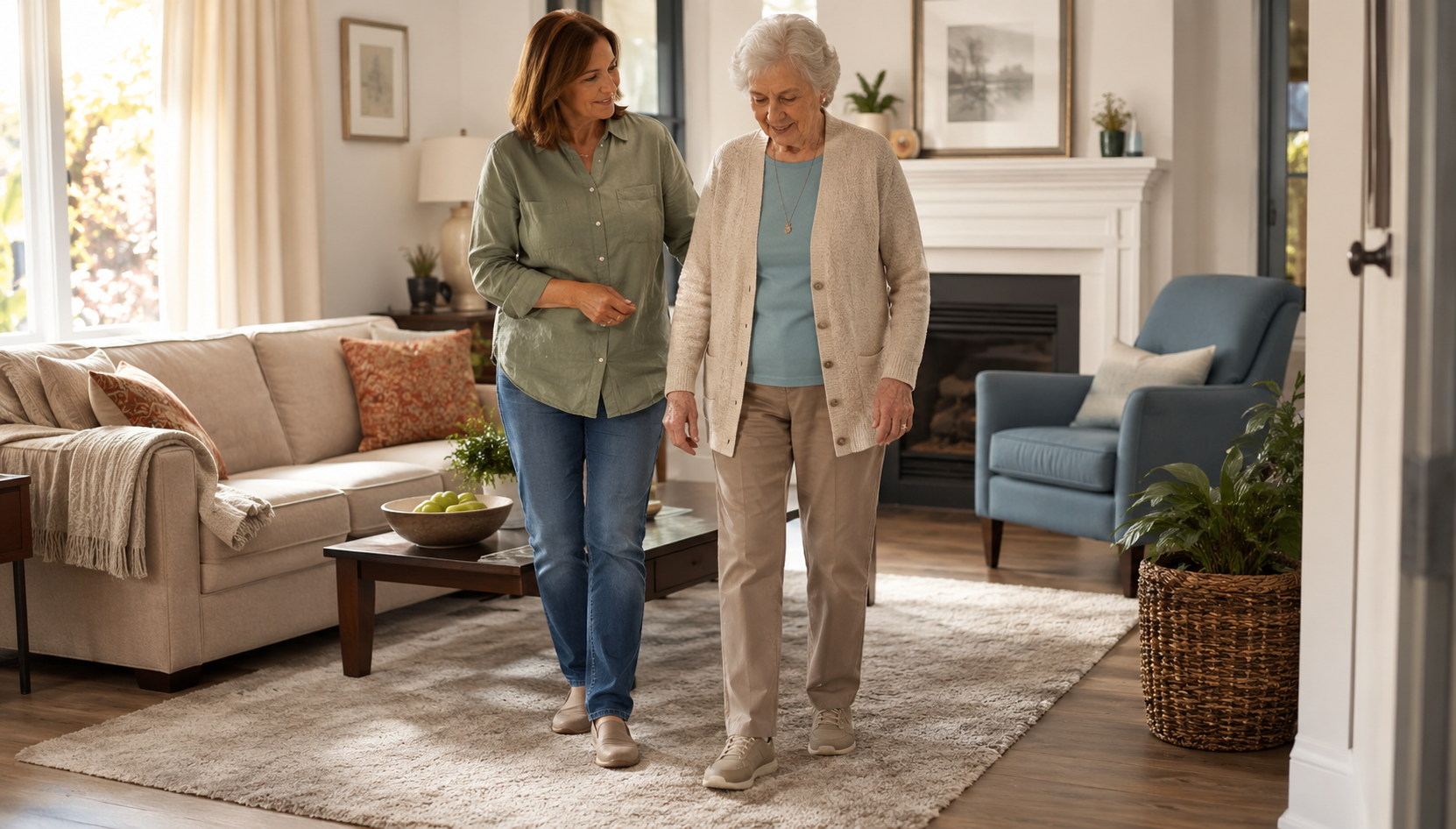
For many older adults, staying at home is deeply important. Home is where they feel comfortable, connected, and in control of their daily life. Safety improvements are not about limiting freedom. They are about making the home work better for your loved one’s current needs.
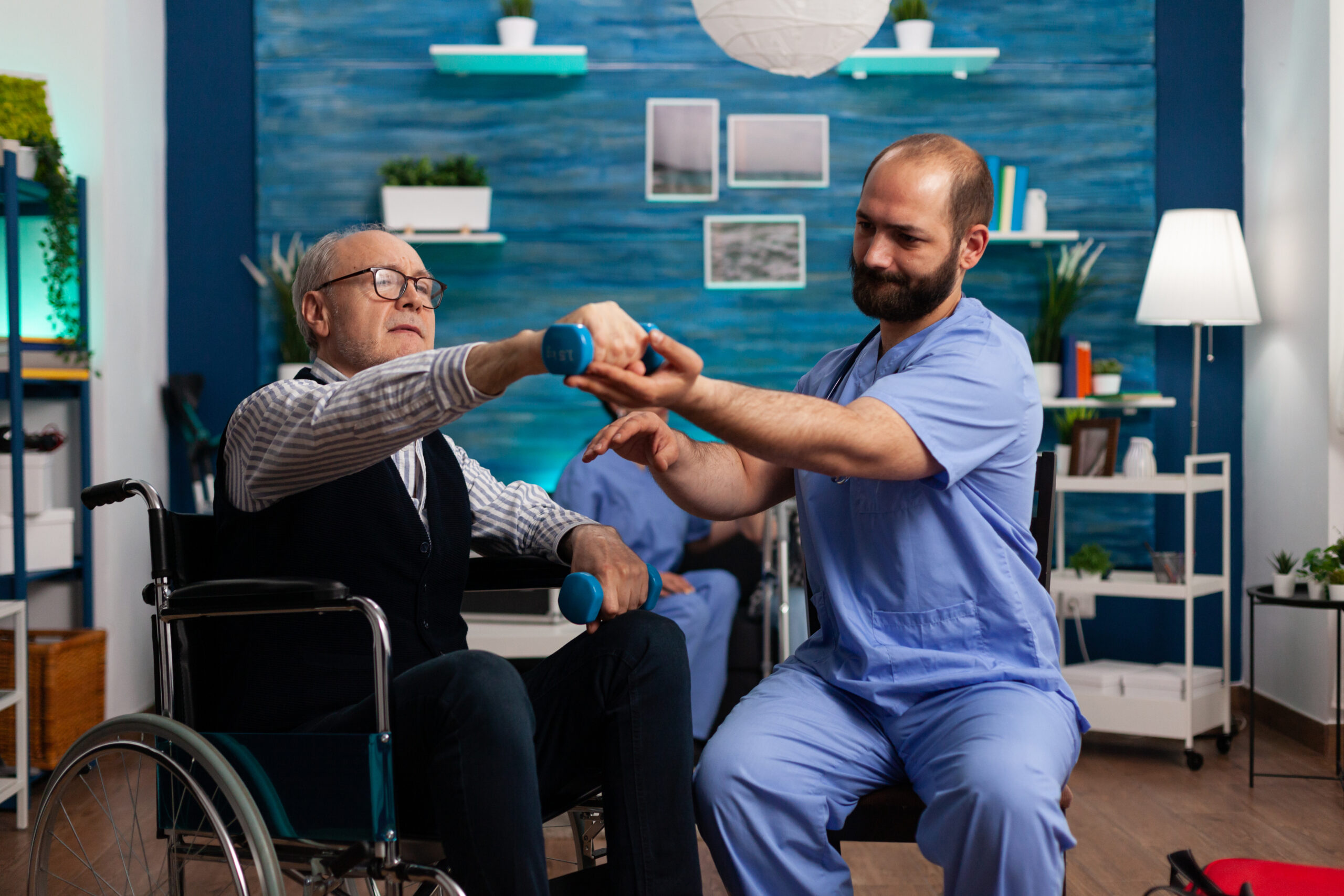
In-home care can also provide added support. Caregivers can assist with personal care, mobility, meal preparation, medication reminders, light housekeeping, and daily routines that help reduce risk. Having someone nearby can provide peace of mind for both seniors and their families.
How Griswold Home Care Can Help
At Griswold Home Care for Chevy Chase, we understand how important it is for older adults to remain safe, comfortable, and independent at home. Our team can help families identify potential fall risks and other home hazards through a home safety assessment. From reducing clutter to improving lighting and accessibility, we can help recommend practical steps that support safer aging in place.
June is National Safety Month, but senior safety matters all year long. If you are concerned about a loved one’s risk of falling or want to make their home safer, now is a great time to take action.
Contact Griswold Home Care for Chevy Chase today to learn more about home safety assessments and in-home care support for your loved one.
📞 Contact Griswold Home Care for Chevy Chase at 301-949-3824 to learn how we can support your family.
🌐 www.griswoldhomecare.com/chevy-chase
📍 Serving Chevy Chase, Bethesda, Potomac, Rockville, and surrounding Montgomery County communities
About the Author:

Tanya Henry, Lead Care Coordinator
Tanya brings over 12 years of experience in customer service and support to her role at Griswold. As a Senior Customer Advisor in an independent living facility, she gained firsthand insight into the importance of thoughtful planning, family involvement, and strong community support when it comes to aging with dignity. Today, she uses that expertise to help older adults who wish to age in place, carefully matching them with skilled caregivers and guiding both clients and caregivers through the transition to care at home.
Subscribe
Date: May 28, 2026