A Safer Start to Fall: Simple Ways to Prevent Falls at Home
Category:
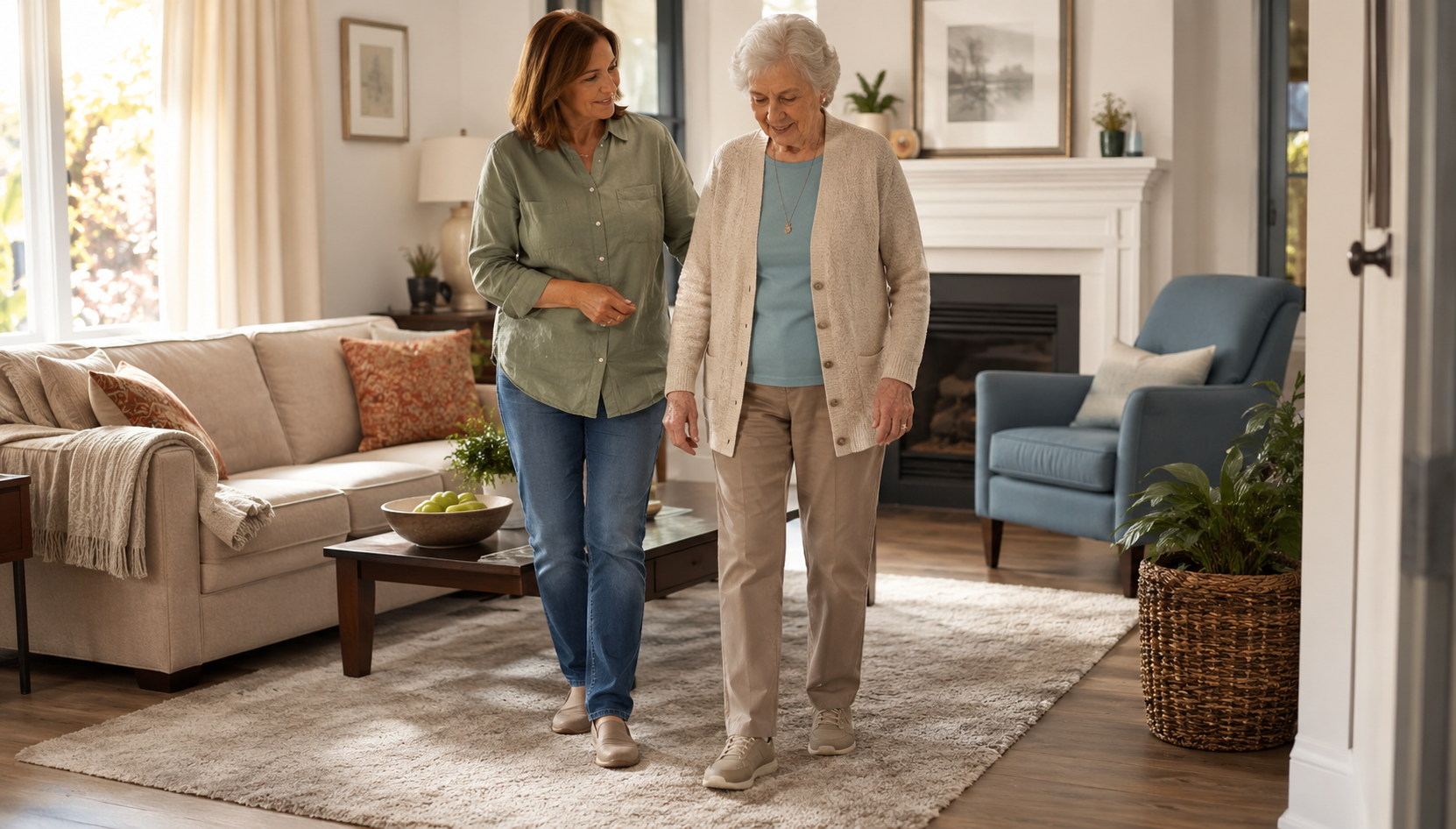
September often feels like a fresh start. The weather begins to cool down, routines settle back into place, and many of us start preparing our homes for the months ahead. It is also a good time to take a closer look at home safety, especially for an older loved one who wants to remain independent at home.
A fall can happen in a matter of seconds. A loose rug, a dark hallway, or a pair of slippery socks may not seem dangerous until someone loses their balance. The good news is that preventing falls does not always require a major home renovation. A few practical changes can make everyday routines safer and give the whole family greater peace of mind.
Start with the places used every day
Walk through the home and look at it from your loved one’s point of view. Is there a clear path from the bedroom to the bathroom? Are electrical cords stretched across the floor? Are shoes, bags, or small pieces of furniture blocking a walkway?
Begin by clearing the areas your loved one uses most often. Move clutter out of hallways, secure or remove loose rugs, and keep everyday items within easy reach. This can help prevent someone from having to bend too far, climb on a stool, or reach into a high cabinet.
Keep stairs clear, make sure the handrail is secure, and avoid placing decorative items near the top or bottom.
Make it easier to see
As the days become shorter, good lighting becomes even more important. Check the bulbs in bedrooms, bathrooms, hallways, stairways, and entryways. A small nightlight can make nighttime trips to the bathroom much safer, while a lamp within reach of the bed can prevent someone from getting up in the dark.
Motion-sensor lights can also be helpful in hallways or outdoor walkways.
Pay special attention to the bathroom
The bathroom can be one of the most challenging rooms for someone with limited strength, balance, or mobility. Wet floors and smooth surfaces make slipping more likely, so small safety updates can go a long way.
Consider adding grab bars near the toilet and inside the shower or tub. A nonslip bathmat, shower chair, and handheld showerhead can make bathing safer and more comfortable. Keep towels, soap, and personal-care items close by so your loved one does not have to stretch or step across a wet surface to reach them.
It is also important to clean up spills and standing water right away. If your loved one has difficulty getting in or out of the shower, assistance from a family member or professional caregiver may help them complete the routine safely while still protecting their dignity and privacy.
Choose safe footwear
Comfortable does not always mean safe. Loose slippers, worn-out shoes, and socks without grips can make it easier to slide or trip. Encourage your loved one to wear well-fitting shoes or slippers with nonslip soles, even inside the home.
Replace shoes with worn soles or a poor fit. Pants, robes, and nightgowns should also be short enough that they do not drag on the floor.
Keep moving with confidence
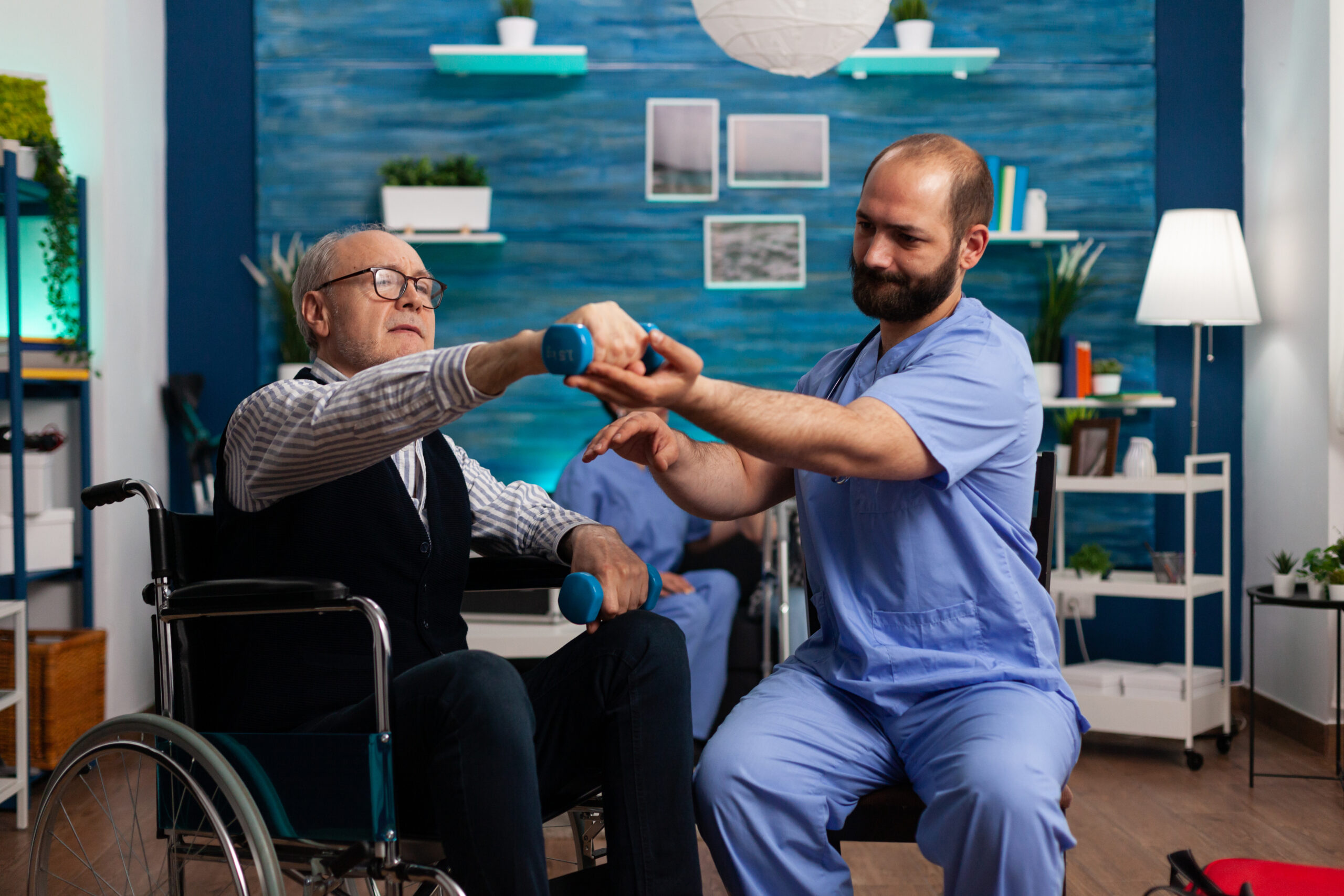
Staying active can support strength, flexibility, and balance. The right activity will look different for everyone. It may be a daily walk, light stretching, chair exercises, or a balance class designed for older adults.
The goal is to help your loved one move in a way that feels safe and manageable. Before beginning a new routine, they should speak with their healthcare provider, especially if they have recently fallen or feel dizzy.
Do not overlook health changes
Sometimes a fall is connected to more than the home environment. Changes in vision, hearing, medication, strength, or balance can all affect the way a person moves through the day.
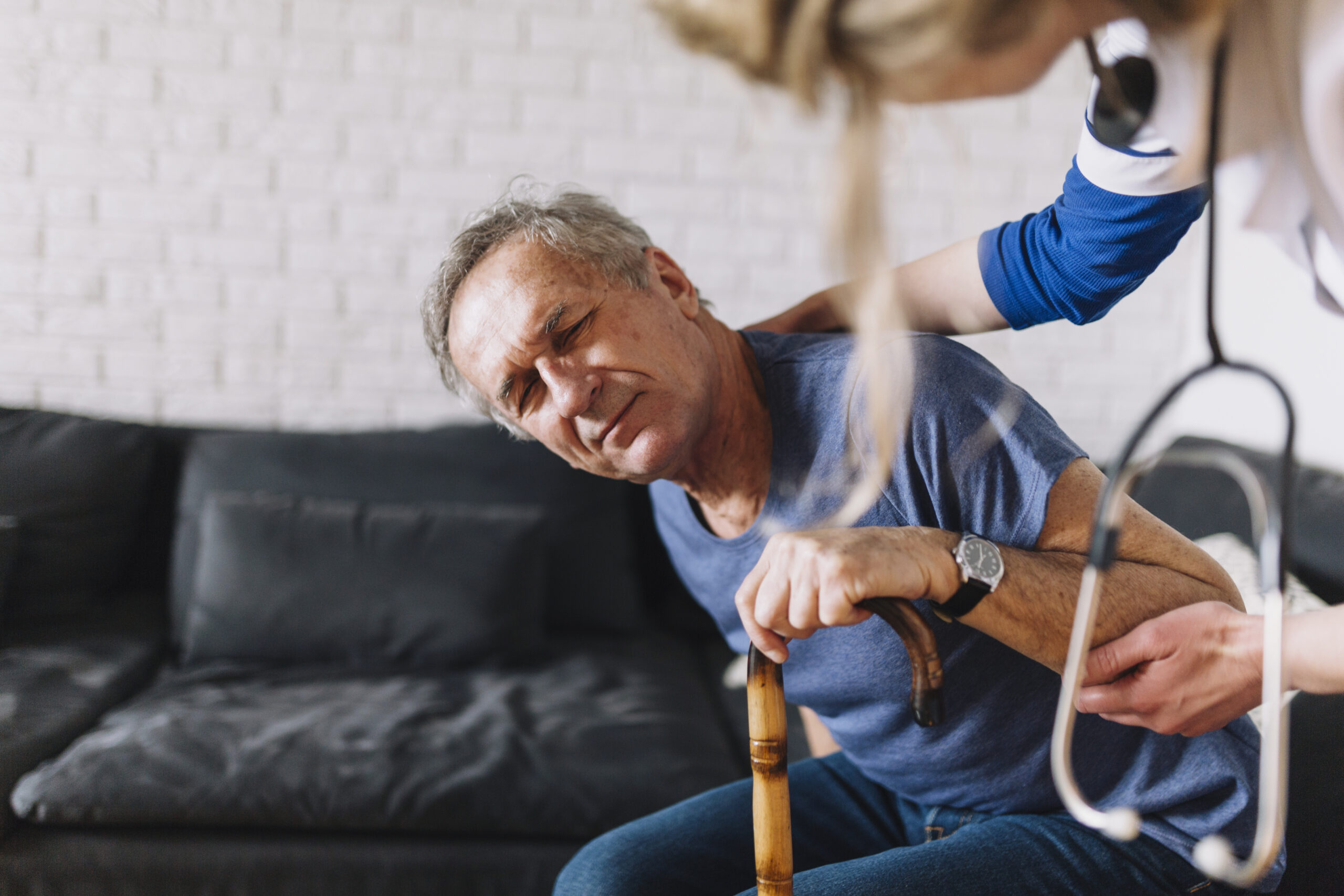
Encourage regular vision and hearing appointments, and ask a doctor or pharmacist to review medications if your loved one has been experiencing dizziness, weakness, or unusual tiredness. If they use a cane or walker, make sure it is in good condition and adjusted correctly. A mobility device can only help when it fits the person and is used consistently.
Prepare for fall weather
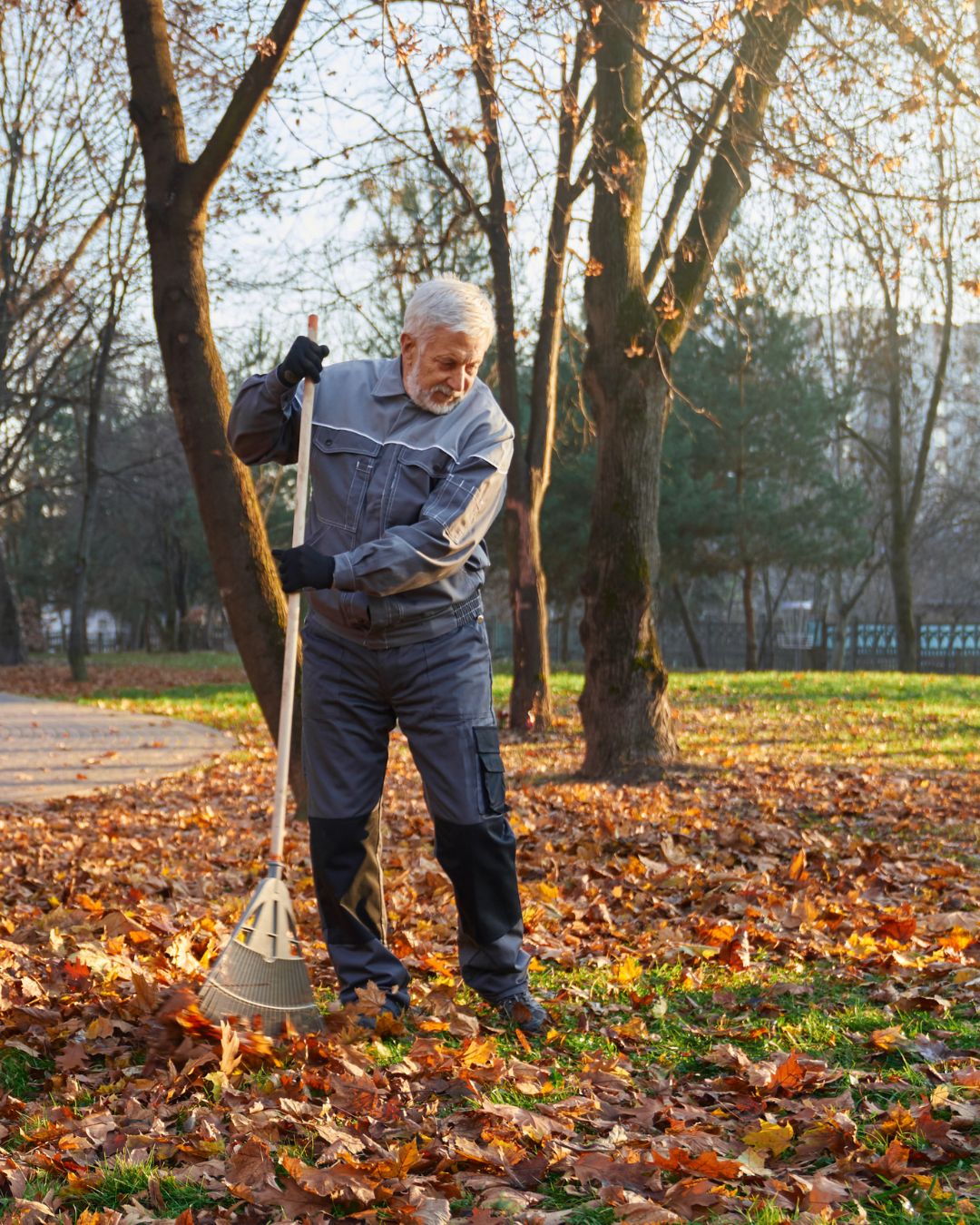
Rain, wet leaves, and earlier sunsets can make outdoor surfaces harder to navigate. Keep porches, steps, driveways, and sidewalks clear. Make sure outdoor lighting works and that railings are sturdy. On wet or windy days, it may be safer for your loved one to wait for assistance with errands, trash removal, or bringing packages inside.
A little support can make a big difference
Families often notice small changes before an accident happens. Maybe a parent has started holding onto furniture while walking, avoiding the stairs, or feeling nervous about bathing alone. These moments are worth paying attention to. They may be signs that a little extra help is needed.
A professional caregiver can assist with personal care, walking, transfers, light housekeeping, meal preparation, errands, and companionship. Just as importantly, having someone nearby can help an older adult feel more secure while continuing the routines that matter to them.
At Griswold Home Care for Chevy Chase, we understand that independence does not mean doing everything alone. It means having the right support to continue living safely and comfortably at home. Whether your loved one needs help for a few hours a week or more consistent care, our team is here to help your family find an option that fits.
This September, take a few minutes to walk through your loved one’s home and look for small changes that could make a meaningful difference. Fall prevention starts with awareness, and a safer home can help make the season more enjoyable for everyone.
Contact Griswold Home Care for Chevy Chase today to learn more about home safety assessments and in-home care support for your loved one.
📞 Contact Griswold Home Care for Chevy Chase at 301-246-6315 to learn how we can support your family.
🌐 www.griswoldhomecare.com/chevy-chase
📍 Serving Chevy Chase, Bethesda, Potomac, Rockville, and surrounding Montgomery County communities
About the Author:

Tanya Henry, Lead Care Coordinator
Tanya brings over 12 years of experience in customer service and support to her role at Griswold. As a Senior Customer Advisor in an independent living facility, she gained firsthand insight into the importance of thoughtful planning, family involvement, and strong community support when it comes to aging with dignity. Today, she uses that expertise to help older adults who wish to age in place, carefully matching them with skilled caregivers and guiding both clients and caregivers through the transition to care at home.
Subscribe
Date: September 2, 2026
Category: