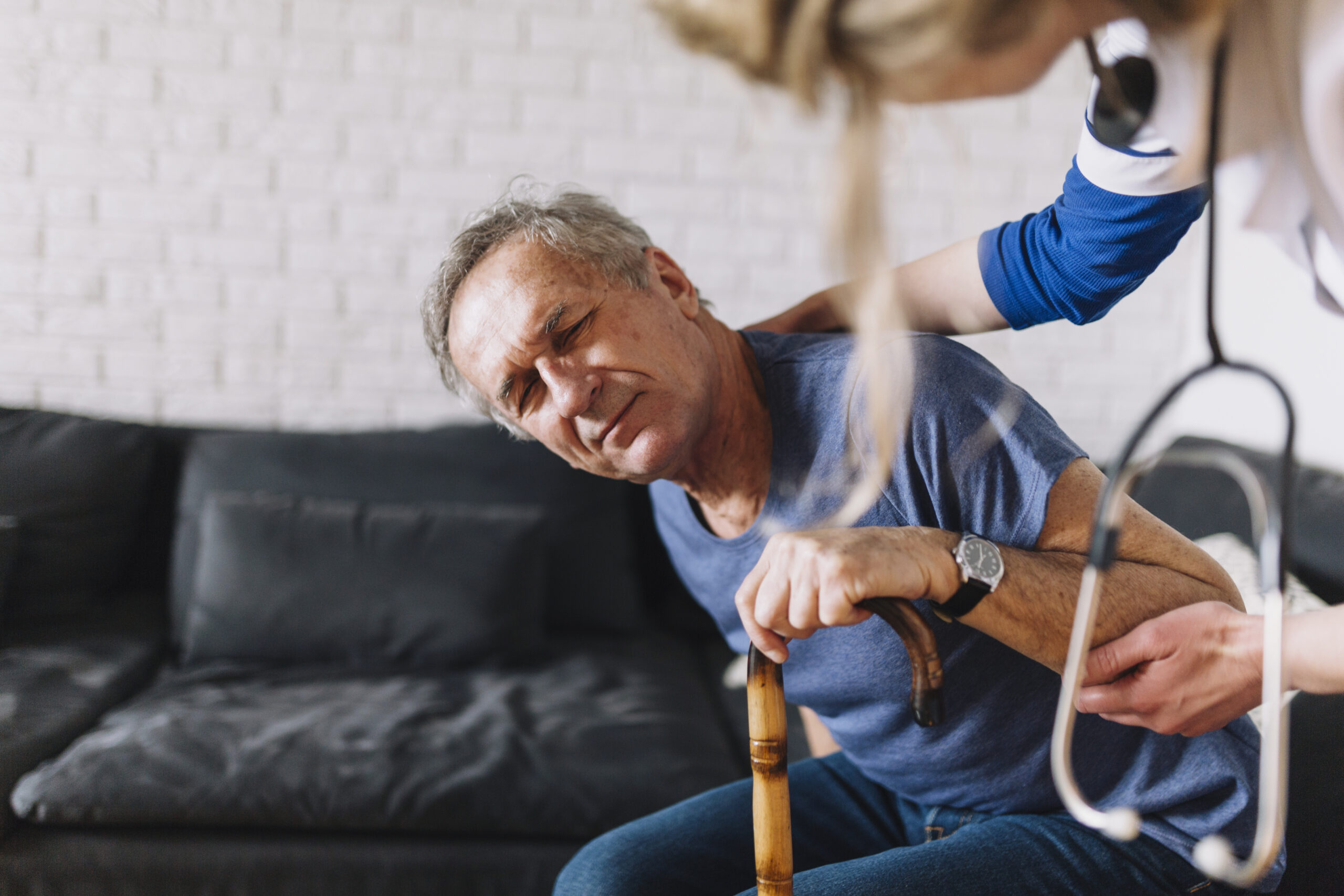
Better Hearing Month: Why May Is the Perfect Time to Prioritize Hearing Health
Category:
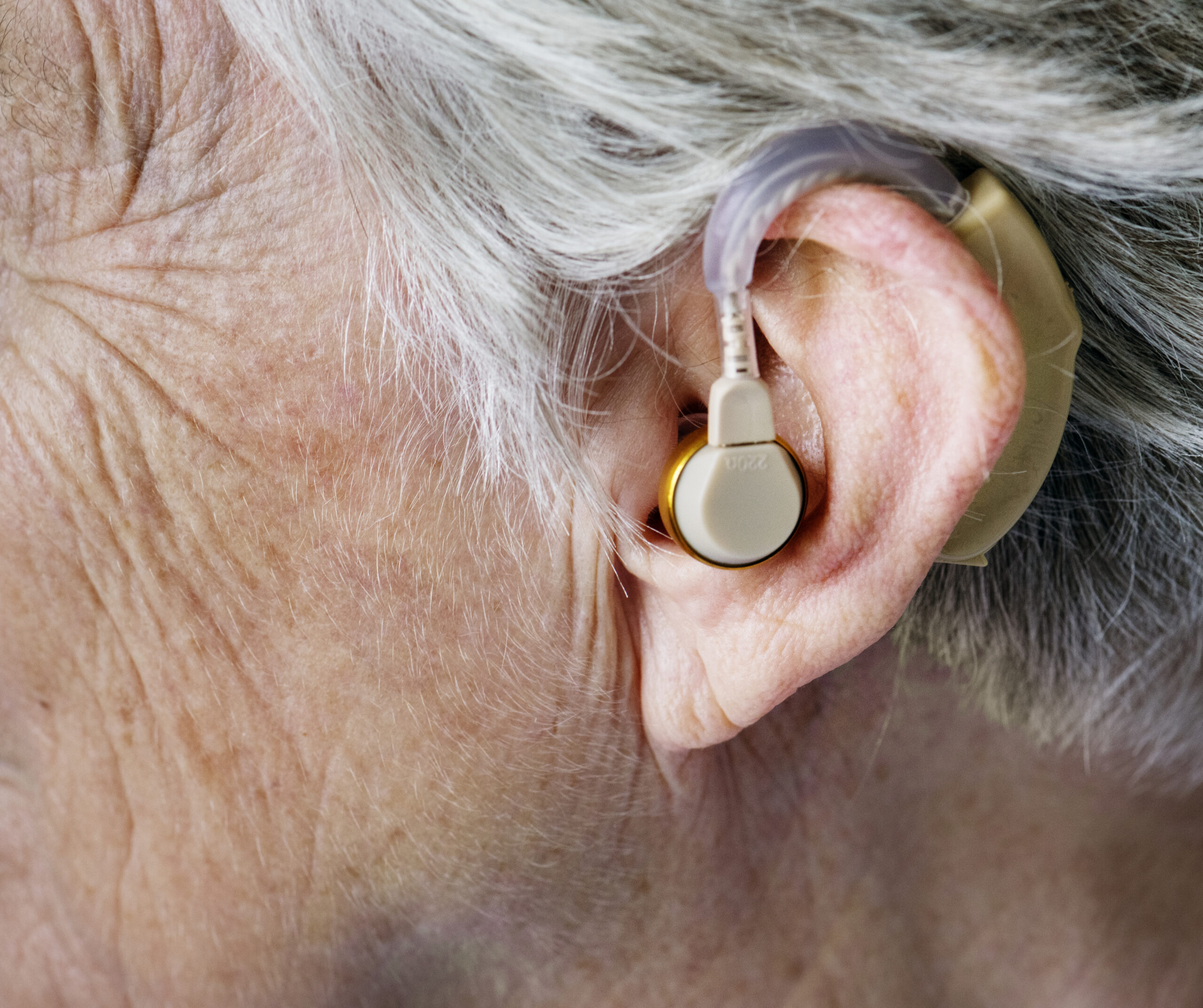
Every May, healthcare professionals, hearing specialists, caregivers, and organizations across the country recognize Better Hearing Month, a time dedicated to raising awareness about hearing loss, communication challenges, and the importance of protecting our hearing at every stage of life.
Hearing is something many people do not think about until changes begin to affect everyday life. Conversations become harder to follow. Television volume slowly creeps up. Family gatherings feel more exhausting than enjoyable. For older adults, especially, hearing loss can impact far more than just sound. It can affect confidence, independence, safety, relationships, and overall quality of life.
Better Hearing Month is an opportunity to start the conversation early, reduce stigma around hearing aids and hearing care, and encourage families to pay attention to signs that often go unnoticed for years.
At Griswold Home Care of Chevy Chase, we understand how closely hearing health is connected to aging in place safely and comfortably. Whether someone is living independently, receiving support at home, or caring for an aging loved one, hearing plays a major role in staying connected and engaged with the world around them.
Why Hearing Health Matters More Than People Realize
Hearing loss is extremely common, especially among older adults. According to the National Institute on Deafness and Other Communication Disorders, about one in three adults between the ages of 65 and 74 experiences hearing loss, and nearly half of adults older than 75 have difficulty hearing.
The challenge is that hearing changes often happen gradually. Many people adapt slowly without realizing how much they are missing.
Someone may begin:
- Asking others to repeat themselves more often
- Avoiding crowded social settings
- Struggling to hear over background noise
- Misunderstanding conversations
- Turning the TV volume up louder than others prefer
- Feeling frustrated or withdrawn during conversations
Because hearing loss develops over time, many adults delay getting help for years. Some people assume hearing changes are simply a normal part of aging. Others worry about stigma or feel nervous about wearing hearing aids.
But untreated hearing loss can have a significant impact on both physical and emotional well-being.
The Connection Between Hearing Loss and Isolation
One of the biggest concerns associated with hearing loss is social isolation.
Communication is how we stay connected to family, friends, caregivers, and community activities. When hearing becomes difficult, people may begin pulling away from conversations because they feel embarrassed, frustrated, or exhausted trying to keep up.
Over time, this isolation can lead to:
- Loneliness
- Anxiety
- Depression
- Reduced participation in hobbies and activities
- Decreased confidence in public settings
For seniors aging at home, staying socially connected is essential for emotional and cognitive health. Something as simple as struggling to hear during conversations can slowly create distance between loved ones.
Families sometimes mistake these changes for memory issues or mood changes when hearing may actually be playing a major role.
Hearing Loss and Cognitive Health
In recent years, researchers have also studied the connection between untreated hearing loss and cognitive decline.
While hearing loss does not directly cause dementia, studies suggest that untreated hearing challenges may increase cognitive strain. When the brain works harder to process sounds and conversations, it may leave fewer resources available for memory and thinking tasks.
Difficulty hearing can also reduce social engagement, which is another important factor tied to brain health.
This is one reason many healthcare providers encourage early hearing evaluations and treatment when needed. Addressing hearing concerns sooner rather than later may help older adults remain more active, engaged, and connected.
Signs a Loved One May Be Struggling With Hearing Loss
Sometimes, family members notice hearing changes before the individual does. During Better Hearing Month, it is helpful to pay attention to subtle signs that may indicate hearing difficulties.
Some common signs include:
- Frequently saying “What?” or “Can you repeat that?”
- Difficulty hearing on the phone
- Complaints that people are mumbling
- Trouble following conversations in restaurants or groups
- Withdrawal from social situations
- Missing doorbells, alarms, or phone calls
- Watching television at a very high volume
- Misunderstanding medication instructions or appointments
It is important to approach these conversations with empathy rather than frustration. Many people feel sensitive about hearing loss, especially if they fear losing independence.
Starting with supportive language can make a big difference.
Instead of:
“You never listen.”
Try:
“I’ve noticed conversations seem harder lately. Maybe a hearing check could help.”
Breaking the Stigma Around Hearing Aids
One of the goals of Better Hearing Month is to help normalize hearing support and hearing devices.
Today’s hearing aids are far more advanced, discreet, and customizable than many people realize. Modern devices can improve clarity, reduce background noise, connect to smartphones, and fit comfortably into daily routines.
Yet many adults still hesitate because of outdated perceptions.
The truth is that hearing aids are no different than wearing glasses to improve vision. They are tools that help people stay engaged, independent, and connected to everyday life.
In many cases, families notice major improvements once hearing concerns are addressed:
- Better conversations
- Improved confidence
- Increased participation in activities
- Less frustration during communication
- Greater safety at home
The adjustment process can take time, but support from loved ones makes a huge difference.
Simple Ways to Protect Hearing at Any Age
Better Hearing Month is also a reminder that hearing protection matters throughout life, not just in older adulthood.
Noise-related hearing damage can happen gradually over time. Everyday habits can help protect hearing health for years to come.
Some simple tips include:
- Lowering headphone volume
- Taking breaks from loud environments
- Wearing ear protection during concerts or yard work
- Avoiding prolonged exposure to loud noise
- Scheduling routine hearing evaluations
- Addressing hearing concerns early
Even small steps can help preserve hearing and improve long-term quality of life.
Hearing and Safety at Home
For older adults living independently, hearing also plays an important role in home safety.
Difficulty hearing can make it harder to notice:
- Smoke alarms
- Doorbells
- Emergency alerts
- Phone calls
- Medication reminders
- Someone is calling for help
Caregivers and family members should consider hearing health as part of an overall home safety plan.
At Griswold Home Care of Chevy Chase, caregivers often help clients navigate daily routines, communication needs, and safety concerns that can become more challenging with hearing loss. Simple adjustments like facing someone while speaking, reducing background noise, or speaking clearly can make communication more comfortable and less stressful.
How Families Can Support a Loved One With Hearing Loss
Supporting someone with hearing challenges starts with patience and understanding.
Helpful communication tips include:
- Speaking clearly without shouting
- Facing the person directly when talking
- Reducing background noise when possible
- Using shorter, simpler sentences if needed
- Making sure the lighting is good for visual cues
- Giving the person time to process conversations
It is also important to include loved ones in conversations rather than speaking around them.
Hearing loss can feel isolating, but supportive communication helps people stay connected and involved.
Why Better Hearing Month Matters
Awareness campaigns like Better Hearing Month matter because hearing loss is often overlooked or minimized. Many people wait years before seeking support, even when hearing difficulties are affecting their daily lives.
By encouraging conversations about hearing health, families can take proactive steps toward:
- Better communication
- Improved emotional well-being
- Greater independence
- Stronger social connections
- Increased safety at home
The earlier hearing concerns are addressed, the easier it often becomes to adapt and maintain quality of life.
Supporting Aging in Place With Confidence
For many older adults, remaining at home safely and comfortably is a top priority. Hearing health is an important part of making that possible.
Strong communication supports:
- Better caregiver relationships
- Medication understanding
- Safer mobility
- Greater social engagement
- Emotional connection with family and friends
At Griswold Home Care of Chevy Chase, we believe care goes beyond physical assistance. Supporting emotional well-being, communication, and connection is just as important.
Better Hearing Month serves as a valuable reminder that small changes in hearing can have a big impact and that compassionate support, early intervention, and awareness can help older adults continue living fulfilling, connected lives.
Hearing connects us to the people and moments that matter most. Conversations with family, laughter with friends, favorite songs, and everyday interactions all play a role in emotional and mental well-being.
This May, Better Hearing Month is the perfect reminder to check in on hearing health for yourself or for someone you love.
Whether it is scheduling a hearing evaluation, starting a conversation with a loved one, or simply learning more about hearing wellness, taking that first step can make a meaningful difference.
Because better hearing is about more than sound. It is about staying connected to life.
Ready To Schedule Care or Learn More?
📞 Call us at (301) 246-6215
🌐 www.griswoldhomecare.com/chevy-chase
📍 Serving Chevy Chase, Bethesda, Potomac, Rockville, Takoma Park, and surrounding Montgomery County communities

About the Author:
Saron Messay, Communications Specialist
Saron is an accomplished communication professional with over a decade of experience in client relations and customer service. Dedicated to improving the quality of care for seniors, she is recognized for navigating complex situations with professionalism and empathy. With a proven track record of fostering trust and delivering reliable solutions, Saron continues to apply her expertise to strengthen care experiences and build meaningful connections.
Subscribe
Date: April 30, 2026
Category: