Making Holiday Gatherings Easier for Someone With Dementia
Category:
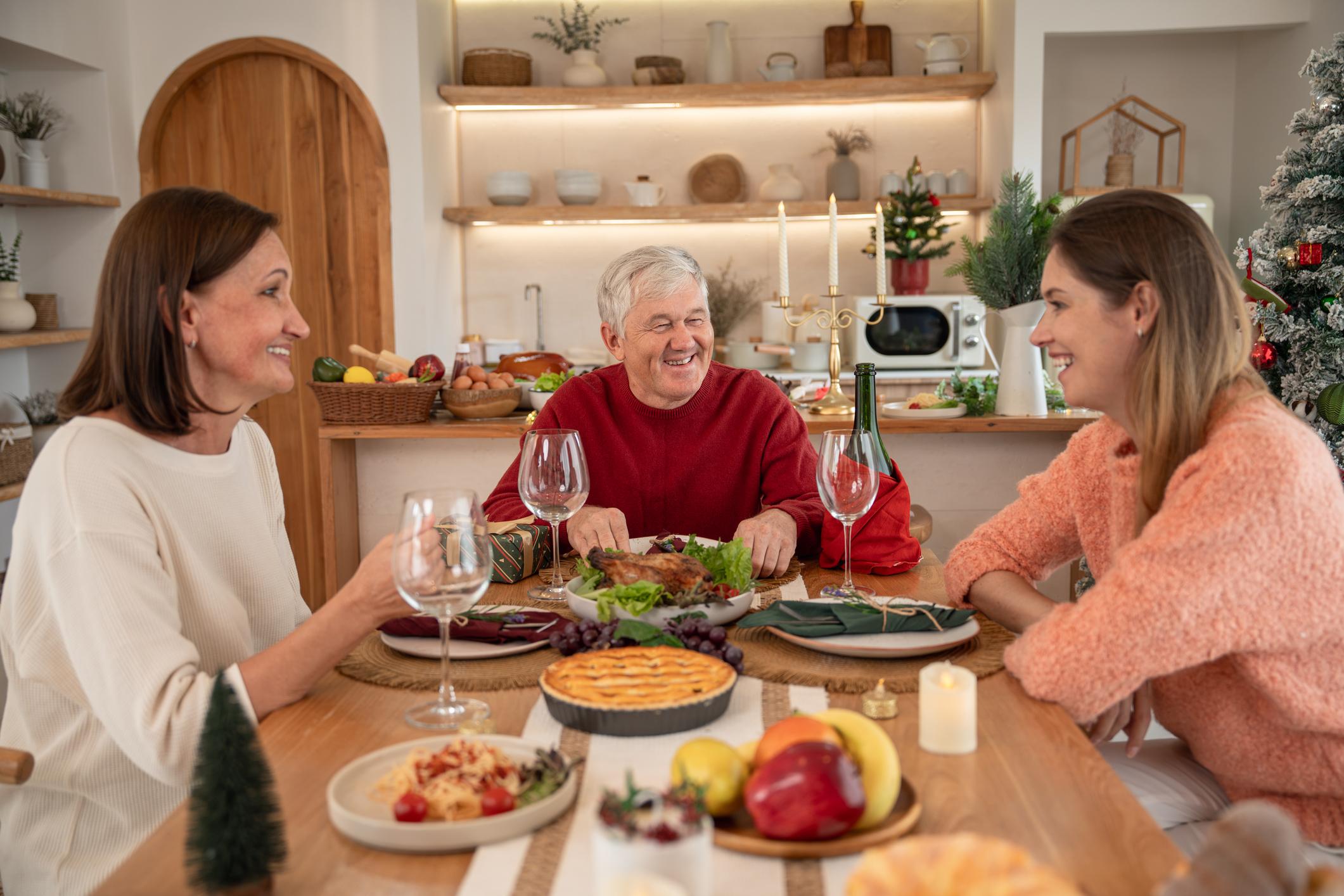
The holidays are a time for family traditions, familiar faces, and making memories. But for someone living with Alzheimer’s disease or another form of dementia, holiday gatherings can sometimes feel overwhelming rather than joyful.
Changes in routine, unfamiliar visitors, loud conversations, and busy schedules may create confusion, anxiety, or fatigue. Even celebrations that someone once enjoyed can become difficult.
The good news is that families don’t have to give up their holiday traditions. With a little planning and flexibility, it’s possible to create meaningful celebrations that include a loved one living with dementia.
1. Keep Gatherings Smaller and More Familiar
Large holiday gatherings can be challenging for someone experiencing memory loss or cognitive changes. Multiple conversations, unfamiliar faces, and background noise may make it difficult to follow what’s happening.
Consider hosting a smaller gathering or arranging shorter visits throughout the holiday season rather than one large celebration.
If a larger gathering is unavoidable, provide a quiet room where your loved one can take a break when needed.
The goal isn’t to exclude someone from the celebration. It’s to create an environment where they can participate comfortably.
2. Plan Around Their Normal Routine
For someone living with dementia, familiar routines often provide comfort and reassurance.
Holiday activities that interrupt regular mealtimes, rest periods, or daily routines can sometimes contribute to confusion or agitation.
When possible:
- Schedule gatherings during the time of day when your loved one is typically most alert and comfortable.
- Maintain familiar meal and medication schedules.
- Allow time for rest before and after activities.
- Avoid packing too many events into a single day.
For some families, a holiday brunch or early afternoon gathering may work better than a traditional evening dinner.
3. Help Family Members Understand What to Expect
Relatives who haven’t visited recently may be surprised by changes in a loved one’s memory, communication, or behavior.
A brief conversation before the gathering can help everyone feel more prepared.
Encourage family members to speak calmly, introduce themselves when appropriate, and avoid correcting every forgotten detail.
Rather than asking, “Don’t you remember me?” try a friendly introduction: “Hi Grandma, it’s Michael. I’m so happy to see you.”
Children can also be included. Explain in simple, age-appropriate terms that their loved one may repeat questions, forget names, or need extra time to respond.
A little preparation can prevent uncomfortable moments and make the gathering more enjoyable for everyone.
4. Adapt Holiday Traditions Instead of Abandoning Them
Holiday traditions can provide a powerful sense of familiarity and connection.
However, activities that once seemed simple may now be tiring or confusing.
Look for ways to adapt familiar traditions to your loved one’s current abilities.
They might enjoy:
- Listening to favorite holiday music.
- Looking through family photographs.
- Helping with simple decorating activities.
- Folding napkins or setting out holiday cards.
- Enjoying a favorite holiday dessert.
- Sharing familiar stories without pressure to remember every detail.
Participation matters more than completing an activity perfectly.
And remember that someone who doesn’t speak much may still enjoy being included in the celebration.
5. Watch for Signs of Fatigue or Overstimulation
Someone living with dementia may have difficulty explaining when an environment becomes uncomfortable.
Instead, they may become restless, withdrawn, unusually quiet, or more confused.
Pay attention to changes in behavior. These may be signs that your loved one needs a break.
Reducing background noise, moving to a quieter space, or ending a visit early may help.
Don’t feel obligated to continue a celebration simply because it was planned. Flexibility is often one of the greatest gifts a family can offer.
6. Remember the Family Caregiver
Holiday preparations can be particularly demanding for the spouse, adult child, or other family member who provides daily care.
In addition to managing their loved one’s needs, caregivers may feel responsible for shopping, cooking, entertaining, and maintaining family traditions.
Other family members can help by taking on specific responsibilities.
Offer to prepare the meal, handle transportation, supervise activities, or spend time with the loved one while the primary caregiver rests.
Sometimes the most meaningful holiday gift is simply giving a family caregiver a few hours to themselves.
Professional respite care may also provide valuable support during the busy holiday season.
7. Focus on Connection, Not Perfection
The holidays don’t have to look exactly as they did in years past to be meaningful.
A shorter gathering, a simplified meal, or a quiet afternoon listening to familiar music may bring more enjoyment than an elaborate celebration.
What matters most is helping your loved one feel comfortable, respected, and included.
A successful holiday isn’t measured by how much gets accomplished. It’s measured by the moments of connection families are able to share.
Helping Tampa and Pasco Families Navigate Dementia Care
For families caring for someone living with Alzheimer’s disease or another form of dementia, the holidays can highlight how much daily support is needed.
At Griswold Care Pairing, we help families throughout Tampa, Hillsborough County, and Pasco County connect with caregivers who can assist with companionship, personal care, daily routines, and respite.
Whether you need occasional assistance during the holidays or are considering more regular support, our local team can help you explore your options.
Contact Griswold Care Pairing for Tampa and Pasco to discuss how caregiver support may help your family enjoy a safer, more comfortable holiday season.
Subscribe
Date: October 24, 2026
Category: