Signs Your Loved One May Need Extra Help at Home This Winter
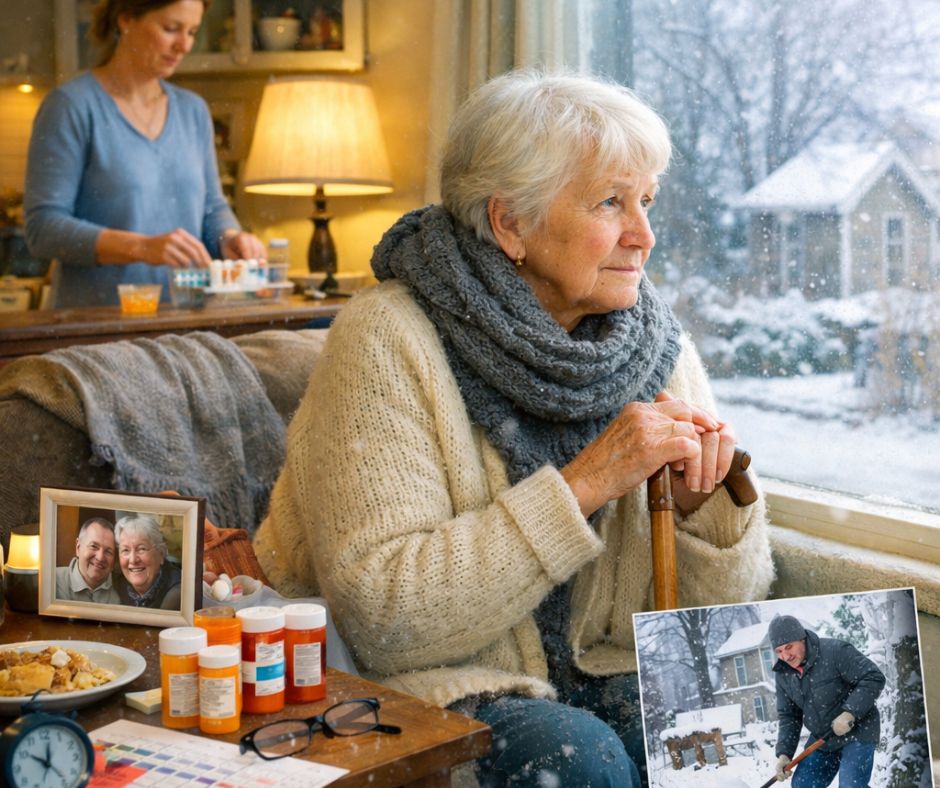
Winter has a way of slowing everything down. The days are shorter, the weather is unpredictable, and routines that felt manageable in warmer months can suddenly feel overwhelming, especially for older adults.
For many families, winter becomes the season when small concerns turn into bigger questions: Are they really okay living on their own? Am I worrying too much or not enough?
If you’ve noticed subtle changes in your loved one during the colder months, you’re not alone. Winter can quietly amplify physical, emotional, and safety challenges for seniors. Recognizing the signs early can help prevent emergencies and give everyone peace of mind.
Here are some common signs that your loved one may benefit from extra help at home this winter.
1. Increased Falls or Trouble Moving Around Safely
Cold weather brings icy sidewalks, wet floors, and bulky clothing that can make movement more difficult. If your loved one has had a recent fall or seems unsteady getting up from chairs, navigating stairs, or walking around the house, it’s a serious red flag.
You may notice:
- Bruises they can’t fully explain
- Hesitation or fear when walking
- Holding onto furniture or walls for balance
- Avoiding certain rooms or stairs altogether
Falls are one of the leading causes of injury among older adults, and winter conditions increase the risk. Having someone there to assist with mobility, transfers, and supervision can make a meaningful difference.
2. Difficulty Keeping Up With Daily Tasks
When energy levels drop, and arthritis or chronic pain flares up in the cold, everyday tasks can feel exhausting. Things like cooking, laundry, and light housekeeping may start to pile up.
Look for signs such as:
- An empty refrigerator or expired food
- Unwashed dishes are stacking up
- Laundry is not being done regularly
- A generally cluttered or unsafe living space
These changes don’t mean your loved one is “failing”; they often mean they’re conserving energy or struggling silently. Extra help at home can support daily routines while allowing them to remain independent.
3. Missed Medications or Confusion Around Doses
Winter illnesses, shorter days, and disrupted routines can make medication management more challenging. If you notice confusion about prescriptions or missed doses, it’s important to address it quickly.
Warning signs include:
- Pills left untouched or taken incorrectly
- Repeated questions about medications they’ve taken for years
- Feeling dizzy, overly tired, or “off.”
- New hospital visits or health setbacks
Medication reminders and oversight can prevent serious complications and reduce emergency room visits during the winter months.
4. Changes in Personal Hygiene or Appearance
Cold weather can make bathing feel uncomfortable or even risky due to slippery surfaces. Seniors may avoid showers, skip grooming, or wear the same clothes repeatedly.
You may notice:
- Body odor or unwashed hair
- Wrinkled or stained clothing
- Reluctance to bathe or change clothes
- Skin irritation or infections
This is often one of the hardest signs for families to talk about, but it’s also one of the clearest indicators that additional support could help maintain dignity, comfort, and health.
5. Increased Isolation or Withdrawal
Winter naturally limits social interaction. Fewer outings, canceled plans, and darker days can lead to loneliness and depression, especially for seniors who already live alone.
Pay attention if your loved one:
- Stops answering calls or returning messages
- Cancels appointments or social plans
- Seems withdrawn, sad, or unusually quiet
- Expresses fear of going out in cold weather
Companionship at home can provide emotional connection, reduce isolation, and help seniors stay engaged even when it’s too cold to venture out.
6. Trouble Managing Cold Weather Safety
Heating issues, winter storms, and power outages can pose serious risks. Some seniors hesitate to use heat due to cost concerns or forget to adjust thermostats altogether.
Warning signs include:
- A home that feels unusually cold
- Wearing coats indoors
- Frozen pipes or unsafe space heaters
- Difficulty responding during bad weather
Having someone check in regularly ensures your loved one stays warm, safe, and prepared for winter emergencies.
7. Memory Lapses That Seem More Frequent
Winter routines change, and for someone with memory challenges, that disruption can be confusing. You may notice increased forgetfulness, missed appointments, or difficulty following conversations.
Signs may include:
- Forgetting familiar names or tasks
- Repeating the same questions
- Losing items more often
- Appearing disoriented or anxious
Early support can help slow progression, maintain routines, and keep your loved one safe at home longer.
8. You’re Feeling Overwhelmed as a Family Caregiver
Sometimes the most important sign isn’t about your loved one, it’s about you.
If you’re feeling:
- Constant worry or guilt
- Exhausted trying to do everything yourself
- Torn between work, family, and caregiving
- Afraid of what might happen if you’re not there
That’s a sign that additional help could benefit everyone. Caregiving is not meant to be done alone, especially during the demanding winter months.
Knowing When to Ask for Help
Needing extra help at home doesn’t mean giving up independence; it often means preserving it. The right support can help your loved one stay safe, comfortable, and confident in their own home while giving families peace of mind.
Winter is a season of care, warmth, and protection. Paying attention to these signs now can prevent emergencies later and make the colder months safer and more manageable for everyone involved.
If you’re unsure where to start, a simple conversation or a professional assessment can help guide the next steps, before a small concern turns into a crisis.
Ready to schedule care or learn more?
📞 Call us at (301) 246-6215
🌐 www.griswoldhomecare.com/chevy-chase
📍 Serving Chevy Chase, Bethesda, Potomac, Takoma Park, and surrounding Montgomery County communities

About the Author:
Saron Messay, Communications Specialist
Saron is an accomplished communication professional with over a decade of experience in client relations and customer service. Dedicated to improving the quality of care for seniors, she is recognized for navigating complex situations with professionalism and empathy. With a proven track record of fostering trust and delivering reliable solutions, Saron continues to apply her expertise to strengthen care experiences and build meaningful connections.
Subscribe
Date: January 22, 2026