New Year, Safer Routines: Simple Habits That Help Seniors Age in Place
Category:

The beginning of a new year often brings a sense of motivation, a chance to reset routines and focus on what matters most. For older adults and their families in Chevy Chase, Bethesda, and surrounding Montgomery County communities, that often means finding simple, realistic ways to stay safe and independent at home.
Aging in place doesn’t require major home renovations or big lifestyle changes. In many cases, it’s the small, everyday habits that make the biggest difference over time. Thoughtful routines can reduce fall risk, improve comfort, and help seniors feel more confident navigating their daily lives.
Here are a few practical habits families can focus on this year to support safer aging at home.
Start the Day Slowly and Safely
Mornings can be a vulnerable time for seniors. Stiff joints, low blood pressure, or poor balance first thing in the day can increase the risk of falls.
Encouraging a slower, more mindful morning routine can help. Sitting on the edge of the bed for a moment before standing, wearing supportive non-slip shoes right away, and doing light stretching can all help the body wake up more safely. Even something as simple as drinking a glass of water first thing in the morning can make a noticeable difference in energy and alertness.
These small steps don’t take much time, but they can help prevent accidents before the day even begins.
Build Movement Into the Day
Regular movement is one of the most important factors in maintaining independence. It doesn’t have to mean formal exercise or long walks, consistency matters more than intensity.
Short walks around the home, light stretching, or simple balance exercises while holding onto a sturdy surface can help maintain strength and coordination. Even everyday activities like folding laundry, tidying up, or preparing a simple meal can keep seniors moving in a safe, familiar way.
The goal isn’t perfection, it’s staying active enough to support mobility and confidence over time.
Stay on Track With Hydration and Meals
Dehydration and poor nutrition are more common among older adults than many families realize. Both can contribute to fatigue, dizziness, confusion, and an increased risk of falls.
Keeping water within easy reach, offering gentle reminders to drink fluids, and maintaining regular meal times can help. Many seniors do better with smaller, balanced meals throughout the day rather than large portions.
When appetite changes or meals become difficult to manage alone, extra support; whether from family or a caregiver can help ensure nutrition doesn’t slip through the cracks.
Keep Medication Routines Simple
Managing medications can become more complicated over time, especially when multiple prescriptions are involved. Missed doses or confusion about timing can quickly lead to bigger health concerns.
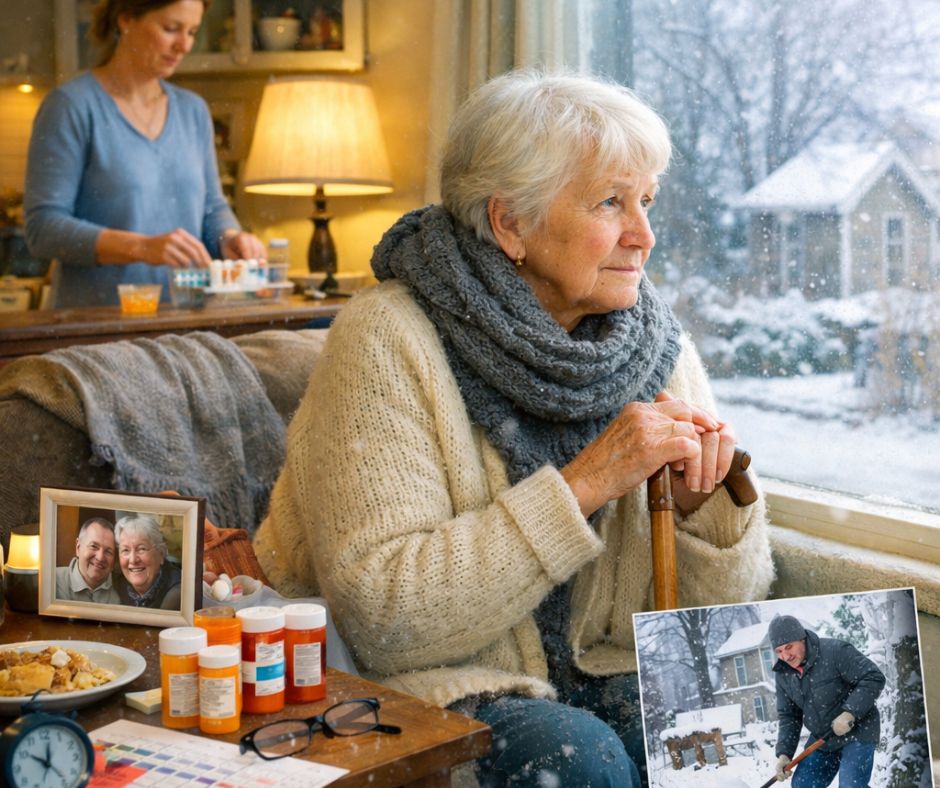
Simple systems work best. Using a pill organizer, keeping medications in one consistent location, and taking them at the same time each day can reduce errors. It’s also helpful to keep an updated medication list handy and pay attention to side effects like dizziness or fatigue.
Having another set of eyes, from a family member or caregiver can provide peace of mind and help catch potential issues early.
Make Home Safety a Regular Habit
A safe home environment is essential for aging in place, and it’s something that benefits from regular check-ins.
Clearing clutter from walkways, improving lighting, securing loose rugs, and adding grab bars in bathrooms are simple changes that can make a big impact. After the holidays, it’s especially helpful to reassess the home and remove extra decorations or furniture that may have created new tripping hazards.
These small adjustments can help seniors move through their homes with greater confidence and less risk.
Create a Calm Evening Routine
Evenings are another important time of day. A consistent, calming routine can support better sleep and reduce nighttime confusion or falls.
Dimming lights, limiting caffeine later in the day, and keeping pathways well-lit for nighttime bathroom trips can all help. A predictable bedtime routine often leads to better rest, which supports balance, memory, and overall well-being.
Caregivers can play an important role in helping with evening routines and ensuring the home feels quiet, comfortable, and secure at night.
Stay Connected, Even During the Winter
Social connection is a key part of healthy aging, especially during colder months when people tend to stay indoors more.
Regular phone calls, short visits, or even virtual check-ins can help reduce feelings of isolation. For some seniors, companion care provides meaningful conversation and connection alongside help with daily tasks.
Staying socially engaged supports emotional health and can make a noticeable difference in quality of life.
Small Changes Can Make a Big Difference
Aging in place is about maintaining independence while staying safe and supported. As the new year begins, focusing on small, realistic habits can lead to meaningful improvements over time.
For families throughout Chevy Chase, Bethesda, and Montgomery County, having the right support in place — whether through family involvement or professional home care — can make daily routines safer and less stressful.
The new year doesn’t require a complete overhaul. Sometimes, it’s the simplest routines that help seniors continue living well at home, one day at a time.

About the Author:
Erin Pickrell, Director
Inspired by her mother’s 20+ year legacy with Griswold Home Care, Erin Pickrell developed a lifelong passion for serving others and making a meaningful impact in the nonprofit and caregiving space. As Director, she is committed to delivering exceptional experiences for both clients and caregivers, while fostering a compassionate, connected care community. Erin is a Certified Senior Advisor and a Certified Dementia Practitioner, dedicated to continually advancing the quality of in-home care.
Subscribe
Date: December 29, 2025
Category: