How Caregivers Can Encourage Seniors to Stay Active in Spring
Category:

As winter fades and the days grow longer, spring offers the perfect opportunity for seniors to reconnect with the outdoors, refresh their routines, and embrace movement again. For older adults, especially those aging in place, staying active is essential not only for physical health, but also for emotional well-being and overall quality of life.
Caregivers play a vital role in helping seniors safely enjoy the season. With the right approach, encouragement, and creativity, spring can become a time of renewed energy and connection.
In this guide, we’ll explore practical ways caregivers can support seniors in staying active, engaged, and thriving this spring.
Why Staying Active Matters for Seniors
Regular activity helps seniors maintain independence and improves both physical and mental health. Even light movement can make a meaningful difference.
Key benefits include:
- Improved balance and reduced fall risk
- Increased strength and flexibility
- Better heart health
- Enhanced mood and reduced feelings of isolation
- Improved sleep and cognitive function
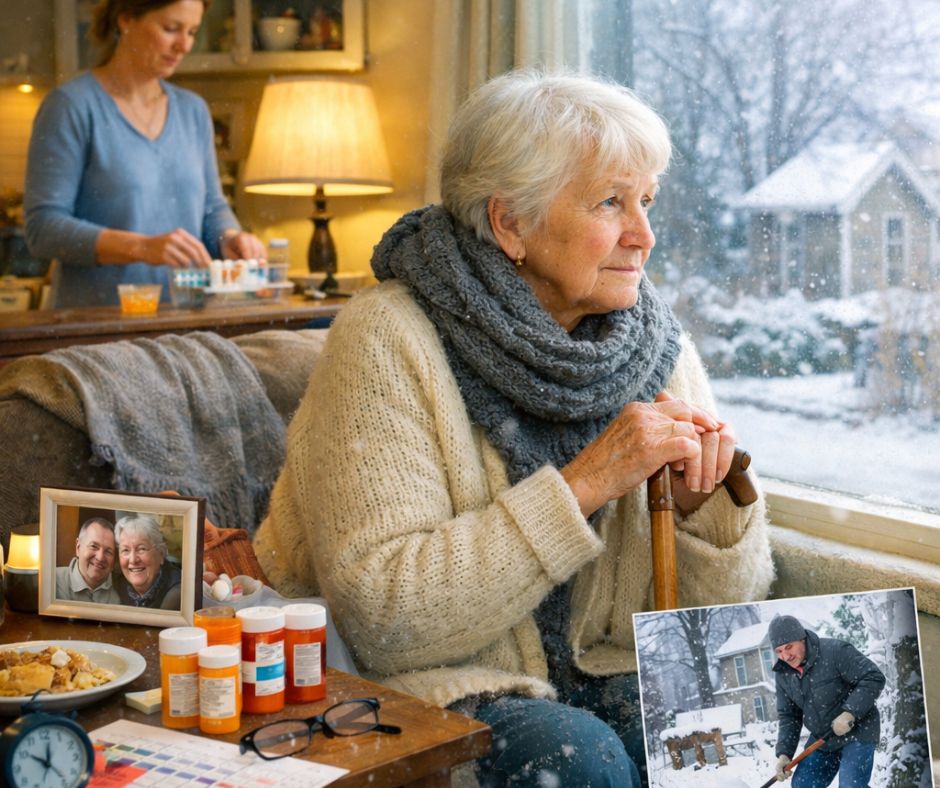
After a slower inactive winter, spring is an ideal time to gently reintroduce activity into a senior’s routine.
Start Slow and Build Confidence
For many seniors, especially those with mobility challenges, jumping into activity too quickly can feel overwhelming. Caregivers should focus on gradual progress.
Tips to get started:
- Begin with short walks or light stretching
- Set realistic, achievable goals
- Celebrate small wins to build confidence
- Pay attention to energy levels and adjust accordingly
Encouragement and patience go a long way in helping seniors feel comfortable and motivated.
Take Advantage of the Outdoors
Spring weather creates the perfect setting for safe outdoor activities. Fresh air and sunlight can significantly boost mood and energy levels.
Outdoor activity ideas:
- Neighborhood walks
- Sitting in the garden or on the porch
- Visiting local parks or nature trails
- Light gardening (planting flowers, watering plants)
- Birdwatching or simply enjoying nature
Caregivers should ensure seniors are dressed appropriately, stay hydrated, and avoid overexertion.
Incorporate Social Activities
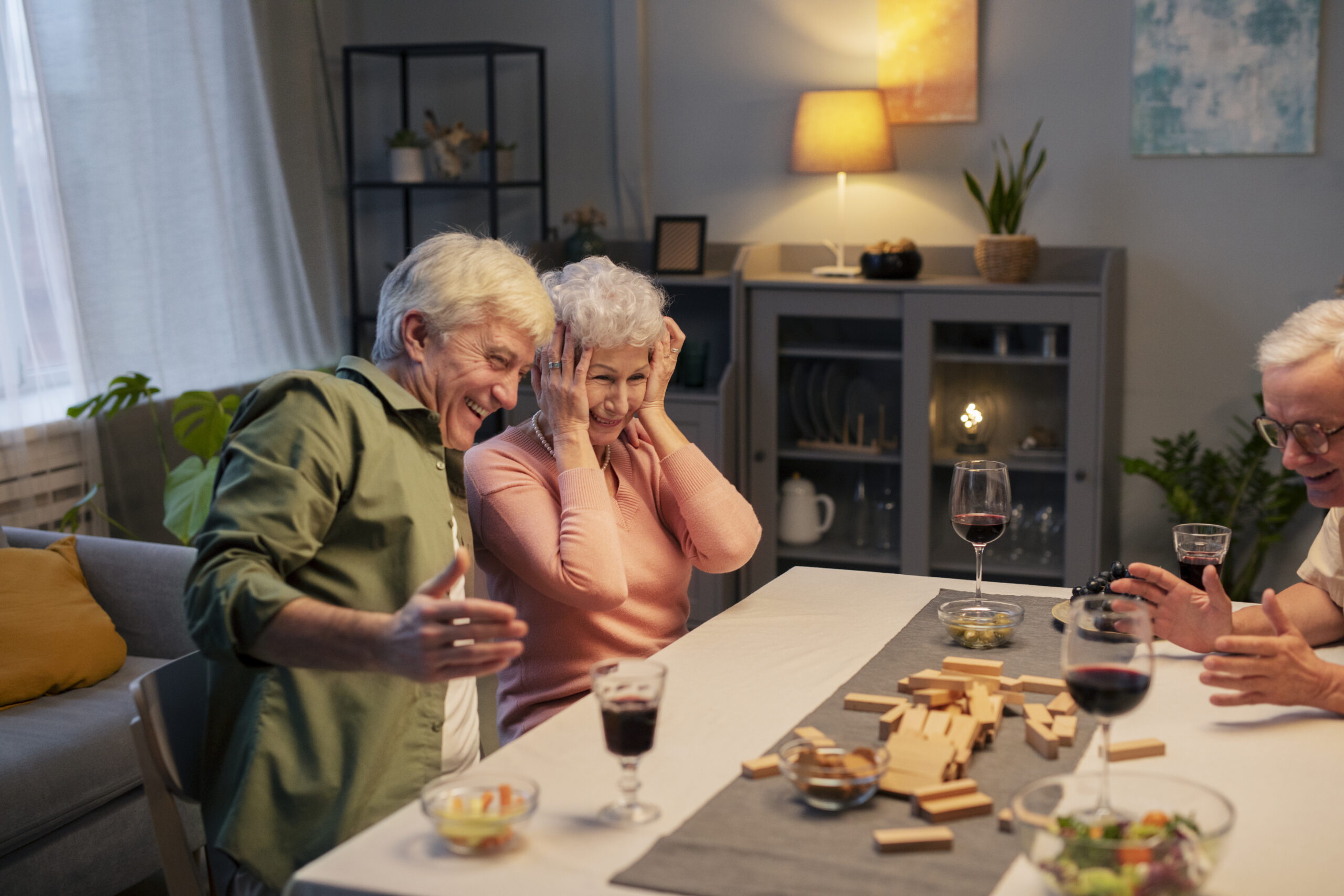
Staying active doesn’t have to be done alone. Social interaction adds another layer of benefit, helping combat loneliness and depression.
Ways to stay socially active:
- Attend community events or senior center programs
- Invite friends or family for walks or outdoor meals
- Participate in group exercise classes designed for seniors
- Engage in faith-based or volunteer activities
Caregivers can help coordinate these opportunities and provide transportation or companionship.
Make Movement Fun and Meaningful
Activity doesn’t have to feel like “exercise.” The more enjoyable it is, the more likely seniors are to stay consistent.
Fun ways to stay active:
- Dancing to favorite music
- Playing simple outdoor games
- Gardening or yard work
- Walking while chatting or exploring new areas
- Light stretching during TV time
The goal is to integrate movement naturally into daily routines.
Adapt Activities to Individual Needs
Every senior has unique abilities and limitations. Caregivers should tailor activities based on mobility, health conditions, and personal preferences.
Consider:
- Chair exercises for limited mobility
- Using walkers or canes for added stability
- Avoiding uneven terrain if balance is a concern
- Scheduling activities during times of peak energy
Personalized care ensures safety while still encouraging independence.
Watch for Safety and Comfort
Safety should always come first when encouraging activity.
Caregiver reminders:
- Check weather conditions before heading outside
- Ensure proper footwear to prevent slips or falls
- Stay hydrated, especially on warmer days
- Monitor for signs of fatigue, dizziness, or discomfort
- Keep emergency contact information accessible
Being proactive helps prevent setbacks and builds trust.
Create a Routine That Feels Natural
Consistency is key when it comes to staying active. Establishing a simple daily or weekly routine can help seniors stay on track.
Examples:
- Morning walks three times a week
- Afternoon gardening or outdoor time
- Weekly outings to parks or community centers
- Stretching exercises before bed
A predictable routine provides structure and something to look forward to.
Encourage Independence While Offering Support
One of the most important roles of a caregiver is finding the balance between assistance and independence.
Instead of doing everything for a senior, encourage them to participate as much as possible. Whether it’s watering plants, walking short distances, or choosing activities, involvement builds confidence and a sense of purpose.
The Emotional Impact of Staying Active
Beyond physical benefits, staying active in spring can significantly improve emotional well-being.
Seniors often feel:
- More connected to their surroundings
- A renewed sense of purpose
- Greater happiness and reduced stress
- Increased motivation to stay engaged
Caregivers who foster these opportunities are not just supporting movement, they’re enhancing overall quality of life.
How Griswold Home Care Supports Active Aging
At Griswold Home Care Chevy Chase, we understand that staying active is a key part of aging well at home. Our caregivers are dedicated to providing personalized support that encourages safe movement, meaningful engagement, and independence.
Whether it’s a walk around the neighborhood, assistance with gardening, or companionship during outings, we’re here to help seniors make the most of every season.

About the Author:
Erin Pickrell, Director
Inspired by her mother’s 20+ year legacy with Griswold Home Care, Erin Pickrell developed a lifelong passion for serving others and making a meaningful impact in the nonprofit and caregiving space. As Director, she is committed to delivering exceptional experiences for both clients and caregivers, while fostering a compassionate, connected care community. Erin is a Certified Senior Advisor and a Certified Dementia Practitioner, dedicated to continually advancing the quality of in-home care.
Subscribe
Date: March 19, 2026
Category: