Helping Seniors Navigate Self-Consciousness
Category:
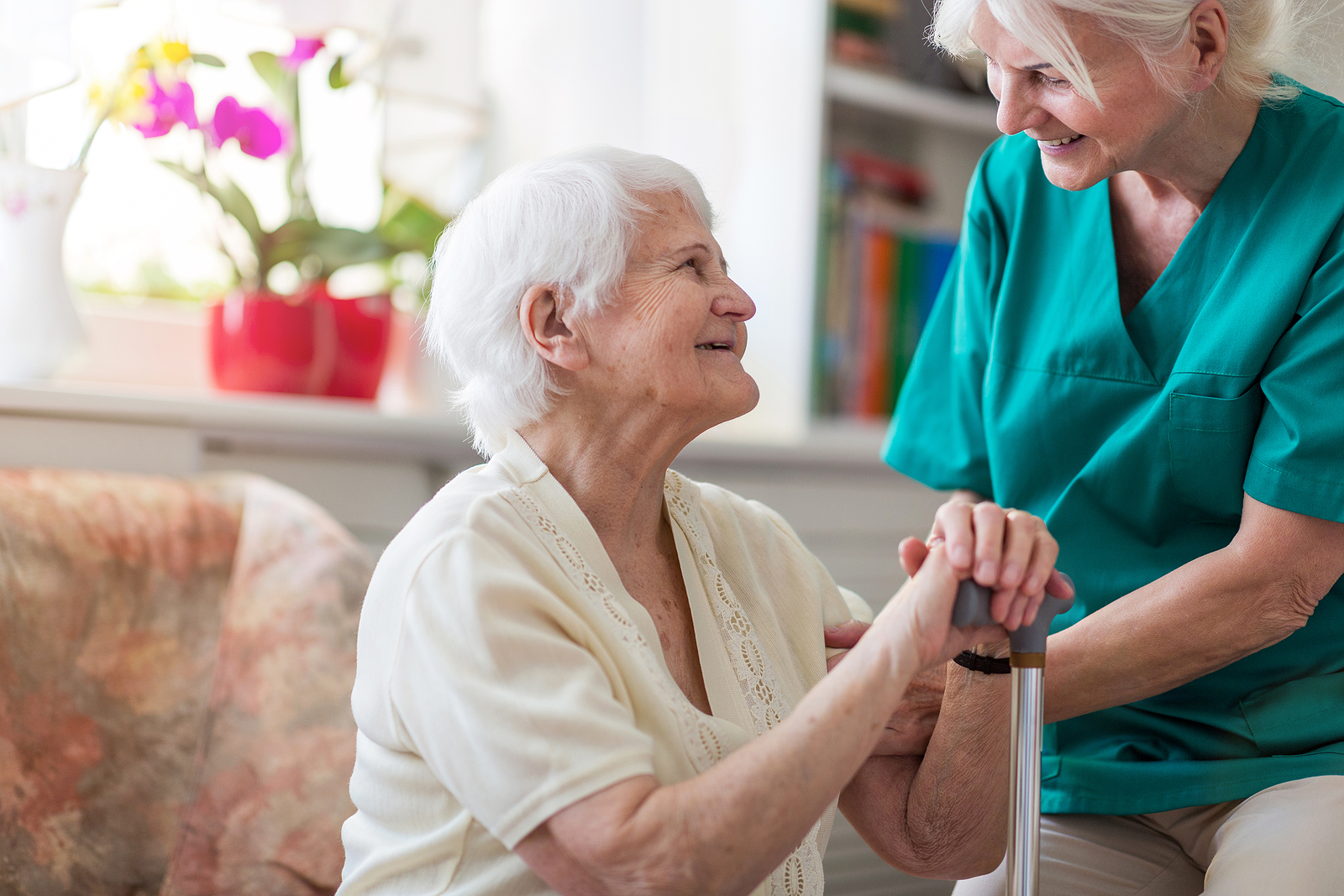
Growing older brings inevitable changes that can create feelings of self-consciousness and embarrassment for many seniors. Whether it’s physical limitations, memory lapses, or the need for companion care at home with tasks that were once routine, these changes can affect confidence and dignity. The good news is that with the right support, seniors can learn to navigate self-consciousness.
Understanding the Impact of Aging
Embarrassment isn’t just an uncomfortable emotion—it can lead seniors to withdraw from social activities, refuse necessary help, or avoid medical care. This isolation can worsen mental and physical health outcomes. Recognizing the significance of these feelings is the first step toward addressing them effectively. With companion care at home and support from loved ones, seniors can explore how aging is impacting them without fear of judgment. Additionally, caregivers and family members can work together to communicate with seniors in a way that maintains their dignity, such as using first-person language, normalizing aging changes through matter-of-fact discussions that are supportive and offering choices whenever possible to help seniors maintain a sense of control.
Practical Strategies for Specific Challenges
Helping seniors work through their issues of self-consciousness is easier when their specific challenges are broken down and tailored plans are created that fit their unique needs. With companion care at home, this is made easier as their consistent care and monitoring offer the information needed to choose the right path. Some of the solutions for dealing with various changes include the following:
Physical Changes
- Introduce adaptive clothing with discreet features like magnetic closures or elasticized waistbands that look fashionable while being easier to manage
- Create bathroom routines that build in privacy and independence, such as scheduled assistance times that can be anticipated
- Frame mobility aids as tools for independence rather than symbols of decline
Cognitive Changes
- Develop gentle redirection techniques for memory lapses rather than corrections
- Create environmental supports like labeled cabinets or clear routines that reduce the need to ask for help
- Use “we” language when problem-solving: “Let’s figure this out together.”
Social Situations
- Role-play potentially difficult situations beforehand to build confidence
- Develop simple phrases seniors can use when they need time or assistance
- Plan outings with accessibility and comfort in mind, researching venues in advance
Building Resilience
Not only does the presence of companion care at home help seniors work through feelings of embarrassment, but caregivers can also encourage them to build resilience by seeking out support groups that might focus on the same challenges and highlighting role models who are navigating aging with grace and humor.
Tips for Family Members
It’s important for loved ones to understand that how they react to potentially embarrassing moments matters tremendously. With this in mind, it’s a good idea to practice the “art of noticing without noting”—providing discreet assistance without drawing attention. Additionally, working with seniors or other family members to develop private signals that can communicate needs without bringing attention to the situation in public settings is key. It’s also a good choice to focus conversations on strengths and interests rather than limitations, as well as model calm reactions to accidents or incidents.
With companion care at home, seniors and their loved ones can learn to address embarrassment directly but sensitively. As a result, seniors are able to preserve their dignity and build resilience during their older years.
Sources:
https://welbehealth.com/self-care-tips-seniors-mental-wellbeing/
https://medium.com/illumination-curated/dealing-with-unintended-embarrassment-in-the-aging-years
https://plusliving.co.nz/overcoming-adult-social-embarrassment/
If you or an aging loved one are considering companion care at home in Harrison, NY, please contact the caring staff at Griswold Care Pairing for Scarsdale & Yonkers today. (914) 337-5028.
Subscribe
Date: May 2, 2025
Category: