Five Early Signs of Dementia
Category:
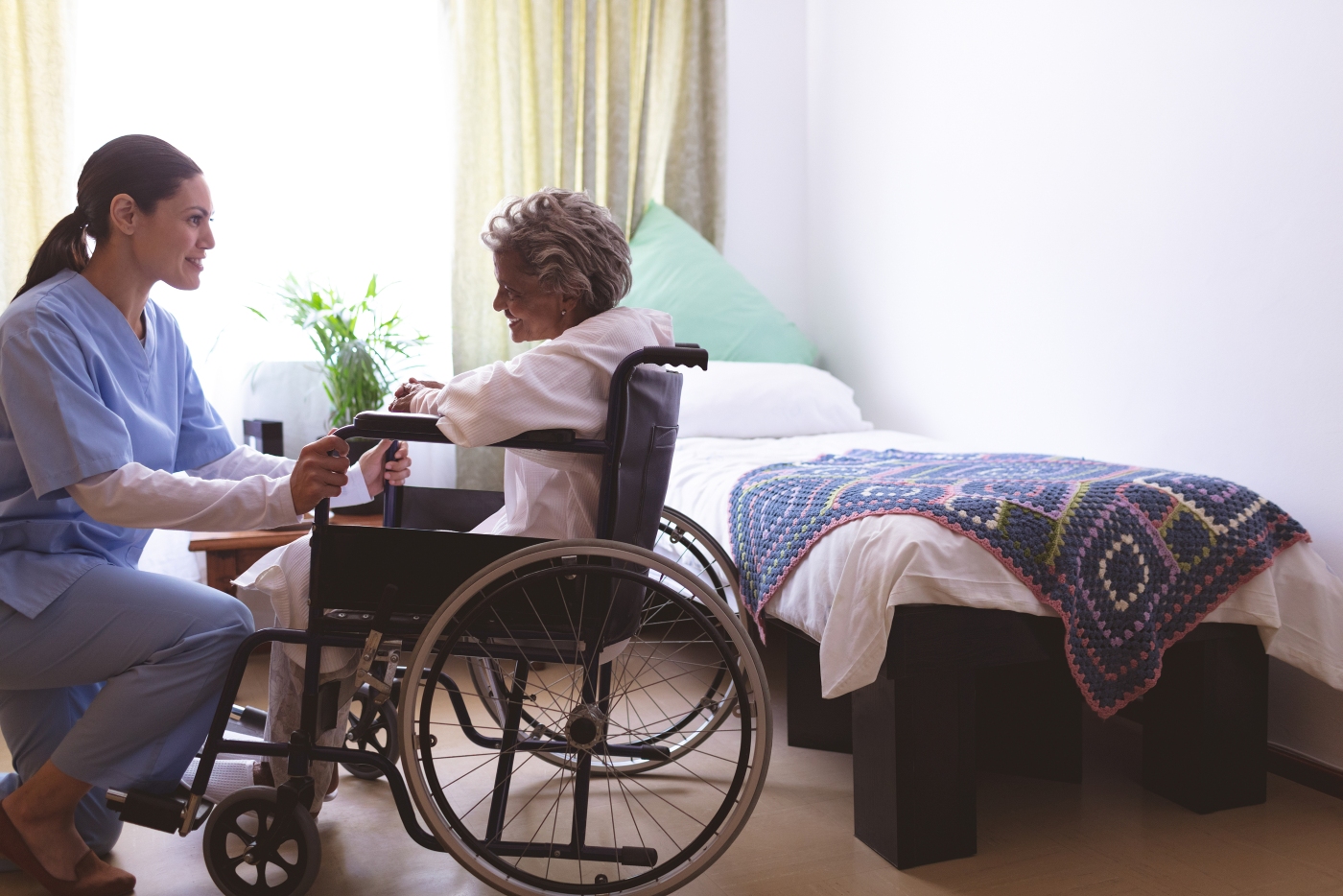
Dementia is widely recognized as one of the most feared health conditions among older adults. The prospect of gradually losing cherished memories and the ability to form new ones can be deeply unsettling for both individuals and their families. As advancements in healthcare contribute to longer lifespans, the incidence of dementia is rising, making it an increasingly common concern in the aging population. However, diagnosing dementia can be particularly challenging in its early stages, as symptoms may be subtle or mistaken for normal age-related forgetfulness. In response to this growing need, companion care at home has emerged as a valuable support service. It offers seniors a compassionate presence and assistance with daily routines, helping to identify changes in cognitive behavior early and promoting emotional well-being within the comfort of a familiar environment.
Why Dementia is Hard to Diagnose in the Beginning Stages
There are two key reasons why dementia can be tough to diagnose early on and thus be able to step in early and help your loved one manage the disease as well as set up the proper support for her.
The first reason is that dementia usually comes on slowly, and many of the behaviors that are associated with dementia are similar to symptoms that occur as a person ages. It’s natural for a person to have a more difficult time processing information as they age, as well as remembering little details like where they placed their keys again, so sometimes these behaviors get overlooked for a long time as “normal” when there is something more serious going on.
The second reason is often due to the person struggling with early dementia symptoms – they do their best to cover it up. Your loved one may develop “tricks” to help her manage and hide her forgetful memory, or she might start to lie about things she’s struggling with, like getting lost in a familiar area. These cover-ups may work for a while, but eventually the disease progresses so much, it becomes impossible to completely cover up.
Five Signs That Could Indicate Dementia
- Forgetting Recent Events. If your loved one cannot remember having lunch with her cousin yesterday or what step she just completed on a recipe, it’s more than age-related forgetfulness.
- Getting Lost in Familiar Places. Your loved one can’t remember how to walk to her local park or drive to and from her place of worship.
- She’s falling more than normal. Dementia can affect a person’s ability to judge distance and react to changes in movement, making for more common and serious falls.
- Forgetting everyday words. Everyone forgets someone’s name they just met, but if your loved one can’t remember the word for “door” or “apple,” it might be dementia.
- An inability to read books. If your loved one used to love to read but has stopped, she might be struggling to remember the plot and characters.
Getting Help for Your Elderly Loved One with Dementia
Understanding the disease and its natural progression can help you know how much help your loved one will need today and in the future. Unfortunately, the progression of the disease is different for everyone so it’s difficult to know when that future care will need to be stepped up.
It can help to arrange for companion care at home for your elderly loved one early in the diagnosis, even if she feels she doesn’t need the help. With someone helping with companion care at home now, your loved one will develop a relationship now that’ll be more likely to be accepted in the future. Talk with your loved one about areas that she could use a little assistance in now, like transportation, remembering to take her medications, or managing her home. That way, you can customize the companion care at home services she needs to meet her exactly where she’s at and support her ability to continue to live independently.
If you or an aging loved one are considering companion care at home in White Plains, NY, please contact the caring staff at Griswold Care Pairing for Scarsdale & Yonkers today. (914) 337-5028.
Subscribe
Date: July 25, 2025
Category: