Common Causes of Dizziness in the Elderly
Category:
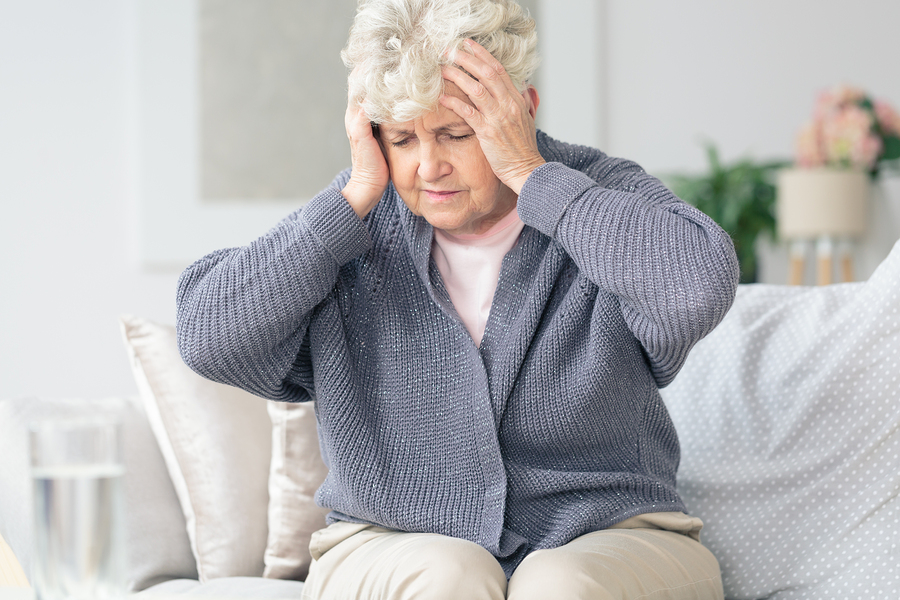
Some seniors find that as they get older, they begin to struggle with dizziness more often. If your senior has talked about having dizzy spells, she is not alone. More than 25 percent of those older than 70 will struggle with dizzy spells or vertigo. This can be very dangerous for your elderly loved one since a bout of dizziness at the wrong time and place can lead to a serious fall and injury.
Dizziness is caused when the body thinks it’s losing its balance. The sense of balance is determined by what a person sees, what the body is feeling, and what the inner ear sensors tell the brain about gravity and the back-and-forth movements that are occurring. When and if any of these don’t match, the body may feel the sensation of dizziness or vertigo.
Dizziness Symptoms
- A sensation of spinning or falling when the person is standing fully upright and still.
- Visual disturbances that make it look as though the area around them is moving or spinning.
- A sudden sensation of lightheadedness.
- Losing balance without any physical triggers.
- A feeling of floating or wooziness.
- An inability to focus the eyes on a small area like words on a sign or screen
- Nausea.
Common Causes of Dizziness, Especially in the Elderly
You may be wondering why your elderly loved one is struggling with dizziness more often lately. Dizziness is often a symptom that is connected with other health conditions that affect the older population more commonly than the younger population. Some common conditions that can lead to dizziness include:
- Poor Circulation. When the body isn’t pumping blood as well as it should, that means some areas may not be getting enough oxygen. When the brain and inner ears don’t get enough oxygen, dizziness can occur.
- Blood Pressure Changes. As a person ages, their heart often isn’t as strong as it used to be and may take longer to pump blood through the body. For that person, when they stand up, it can take a moment for their blood pressure to catch up, causing momentary dizziness.
- Medication Use. Taking certain medications can lead to increased dizziness.
- Some neurological health conditions such as Parkinson’s disease can lead to a higher risk of dizzy spells.
- Low blood sugar levels which are caused by diabetes.
- Low iron levels may cause a person to experience episodes of dizziness due to low platelets.
Keeping Your Loved One Safe During a Dizzy Spell
Usually, the largest concern regarding a dizzy spell is that it can cause the person to lose their balance and fall. If your loved one happens to be walking up the stairs or on a ladder when it hits, she may seriously injure herself. Dizzy spells can also be very dangerous if a person is driving when one occurs, causing them to not be able to focus on the road in front of them or react quickly enough to any changes.
If dizzy spells are common for your loved one, you might consider having some live-in care assistance to help her manage her daily tasks when dizziness is at its worst. A live-in care professional can help ensure her home is safe and free of walking hazards. If needed, a live-in care provider can assist with transportation needs if your loved one is concerned about getting behind the wheel.
Reference: https://www.nationaldizzyandbalancecenter.com/causes-of-dizziness-in-seniors/
If you or an aging loved one are considering live-in care in Bronxville, NY, please contact the caring staff at Griswold Care Pairing for Scarsdale & Yonkers today. (914) 337-5028.
Subscribe
Date: May 16, 2025
Category: