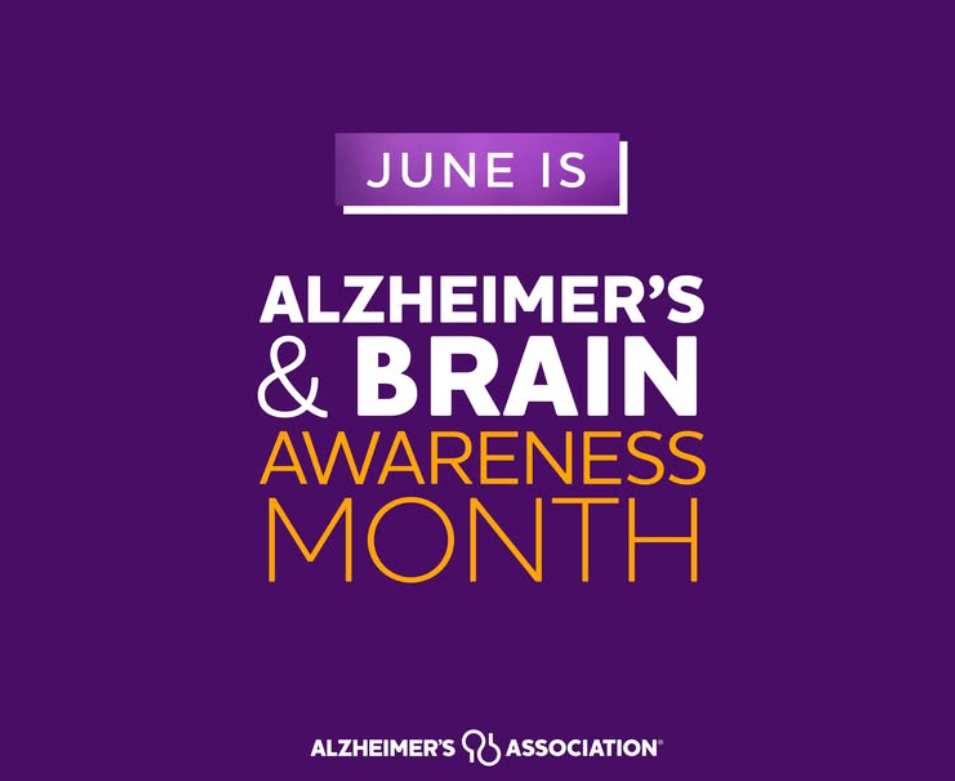
June Is Alzheimer’s & Brain Awareness Month
Category:
Supporting Cognitive Health at Every Age
June is Alzheimer’s & Brain Awareness Month – a time dedicated to raising awareness about brain health, memory care, and the importance of supporting individuals living with Alzheimer’s disease and other forms of dementia.
While occasional forgetfulness can be a normal part of aging, significant or persistent changes in memory, thinking, or behavior shouldn’t be ignored. Early recognition of cognitive changes allows individuals and families to access support, resources, and care sooner – often leading to better outcomes and improved quality of life.
Prioritizing Brain-Healthy Habits
Research continues to highlight the powerful role lifestyle choices play in supporting brain health. Older adults can benefit from incorporating simple, consistent habits into their daily routines, such as:
- Staying physically active through regular walks, stretching, or light exercise
- Maintaining social connections with friends, family, and community groups
- Engaging in mentally stimulating activities like reading, puzzles, games, or learning new skills
- Eating a balanced diet rich in fruits, vegetables, whole grains, and healthy fats
- Getting adequate sleep and practicing stress management
While no single activity can prevent Alzheimer’s disease, these habits contribute to overall wellness and can help support cognitive function throughout the aging process.
Recognizing the Signs
Certain changes may signal the need for a conversation with a healthcare provider. These include:
- Increased confusion or memory loss that disrupts daily life
- Difficulty completing familiar tasks
- Trouble following conversations or finding the right words
- Getting lost in familiar places
- Noticeable changes in mood, personality or behavior
Recognizing these signs early empowers families to seek professional guidance, develop a care plan, and connect with resources that promote safety, independence, and quality of life.
A Valuable Resource for Families and Caregivers
Access to trusted information and support can make a meaningful difference for families navigating memory-related conditions. Through our membership with the Kupuna Collective, we were introduced to Violet E. Horvath, Ph.D., Director of the Pacific Disabilities Center at the John A. Burns School of Medicine, University of Hawaiʻi at Mānoa.
The Pacific Disabilities Center offers a wealth of educational resources for older adults, caregivers, healthcare professionals, and individuals living with disabilities. One of its most valuable offerings is a monthly newsletter featuring:
- Educational content on cognitive health and caregiving
- A comprehensive list of local, national, virtual, and hybrid support groups
- Resources for individuals living with Alzheimer’s disease, dementia, stroke, brain injury, and other health conditions
For caregivers and family members, these support groups provide opportunities to learn, share experiences, and connect with others facing similar challenges.
We encourage you to explore their resources and subscribe to stay informed:
- Learn more at https://pdc.jabsom.hawaii.edu/
- YouTube channel: https://www.youtube.com/@PacificDisabilitiesCenter
Supporting Family Caregivers
Caring for a loved one experiencing memory loss can be as rewarding as it is challenging. Family caregivers often assist with daily routines, medication reminders, transportation, meal preparation, and emotional support.
Having a strong support system is essential to preventing caregiver burnout. Resources such as support groups, educational programs, respite care, and professional caregiving services can help caregivers feel more confident, supported, and resilient throughout their journey.
How Home Care Can Help
Navigating Alzheimer’s disease, dementia, or other cognitive changes can feel overwhelming – but you don’t have to go through it alone.
Whether you are just beginning to notice changes in a loved one, exploring care options, or simply seeking guidance, our team is here to help. Our compassionate caregivers provide personalized support that allows older adults to remain safe, comfortable, and independent at home – while providing families peace of mind.
If you would like to learn more about home care services, discuss your family’s needs, or better understand the resources available in our community, please contact us. We are here to answer your questions and help you find the best path forward for you and your loved one.
Subscribe
Date: June 9, 2026
Category: