Understanding the Dangers of High Temperatures for Seniors in Alexandria
Category:
Cooling down the body becomes more difficult as we age.
Effects of Heat on Seniors
The body’s internal mechanism to cool itself is through sweating. But as we get older, our sweat glands become less effective. They produce sweat more slowly than they used to. Thus, it’s harder to cool ourselves. When your body can’t cool itself, heat exhaustion occurs. The typical signs include dizziness, fatigue, and a weak, rapid pulse.
Another way the body releases heat is through increasing blood flow to the skin or pushing it away from the core. This requires the heart to work harder than it normally does. Thus, if you have heart disease, high temperatures can be another danger. Additionally, the risk of fatal heart attacks among older adults is higher during heat waves.
Safety Checklist
On hot days, use the following checklist as a guide to make sure you’re prepared:
Check the forecast:
The night before and the morning of, make sure to check the forecast in your area. The CDC has a dashboard to make that process very easy.
Don’t forget to check the humidity:
There is no specific temperature that is considered “dangerous.” A lot of it depends on what an individual is used to and how their body can acclimate to heat. That being said, something that does ramp up the danger immediately is humidity. While there is no exact temperature, a general rule of thumb is 85°F and humid, for when preventative measures should start to occur.
Speak with your doctor about medications:
If you are taking a medicine that could affect how your body deals with heat, don’t stop just because it will be very hot soon. The dangers of stopping could outweigh the dangers of the heat. Instead, speak with your doctor beforehand; they may recommend switching medications during the hotter months.
Drink more water than you think:
Take precautions to not use thirst as a sign of dehydration. Typically, by the time you feel thirsty, you are already very dehydrated. You also don’t need to limit yourself to just water. Try indulging in cold fruit such as watermelon or cantaloupe. You can even mix in some fruit juice.
Keep a fan close by:
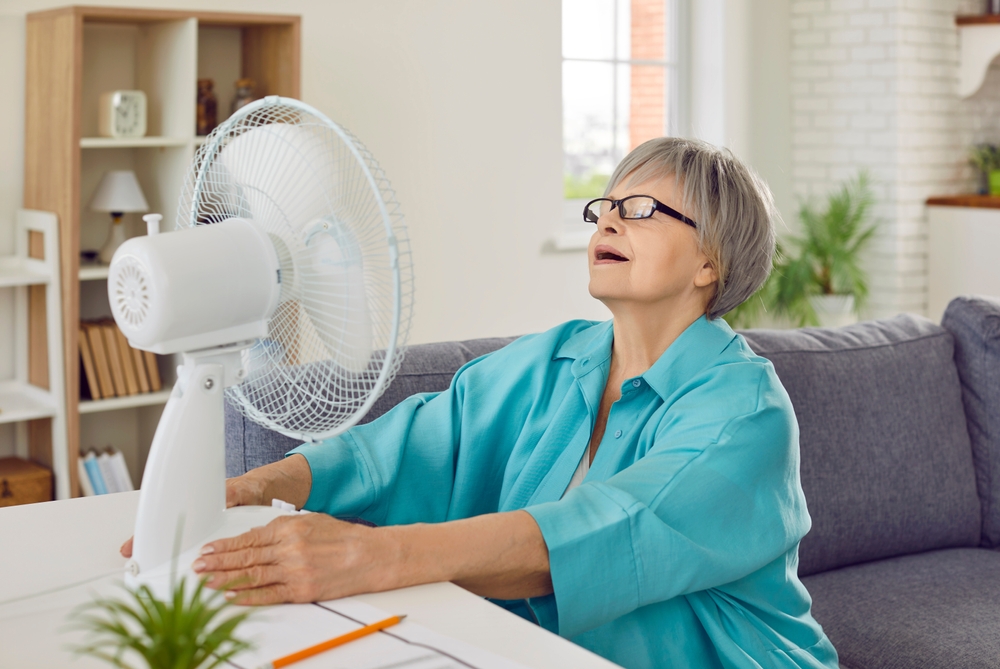
Fans can help keep you cool by speeding up the process of sweat evaporating. Thus, if you don’t have AC or even if you do, keep one close by!
Monitor your thermostat:
If you are at risk of heat-related illnesses and the temperature in your home reaches over 80 degrees, you need to do something fast. This could be turning on a fan, relocating to a cooler place in your home, or even going to an air-conditioned space.
Locate local cooling centers:
During a heat wave, there are likely to be community heat centers available in your area. Locate the closest one and have directions to get there if needed. Make sure to check if they are pet-friendly if you need to bring your pets with you.
Griswold Can Help
If you are looking for some support with a loved one in the Alexandria area, give us a call today! We would be happy to discuss care options with you and can put together a personalized care plan just for you. During heat waves, it can be nice to have some additional support. We can send one of our Caregivers to sit with your loved one all day and help make sure they are staying cool.
Subscribe
Date: August 21, 2025
Category: