
Parkinson’s Awareness Month
Category:
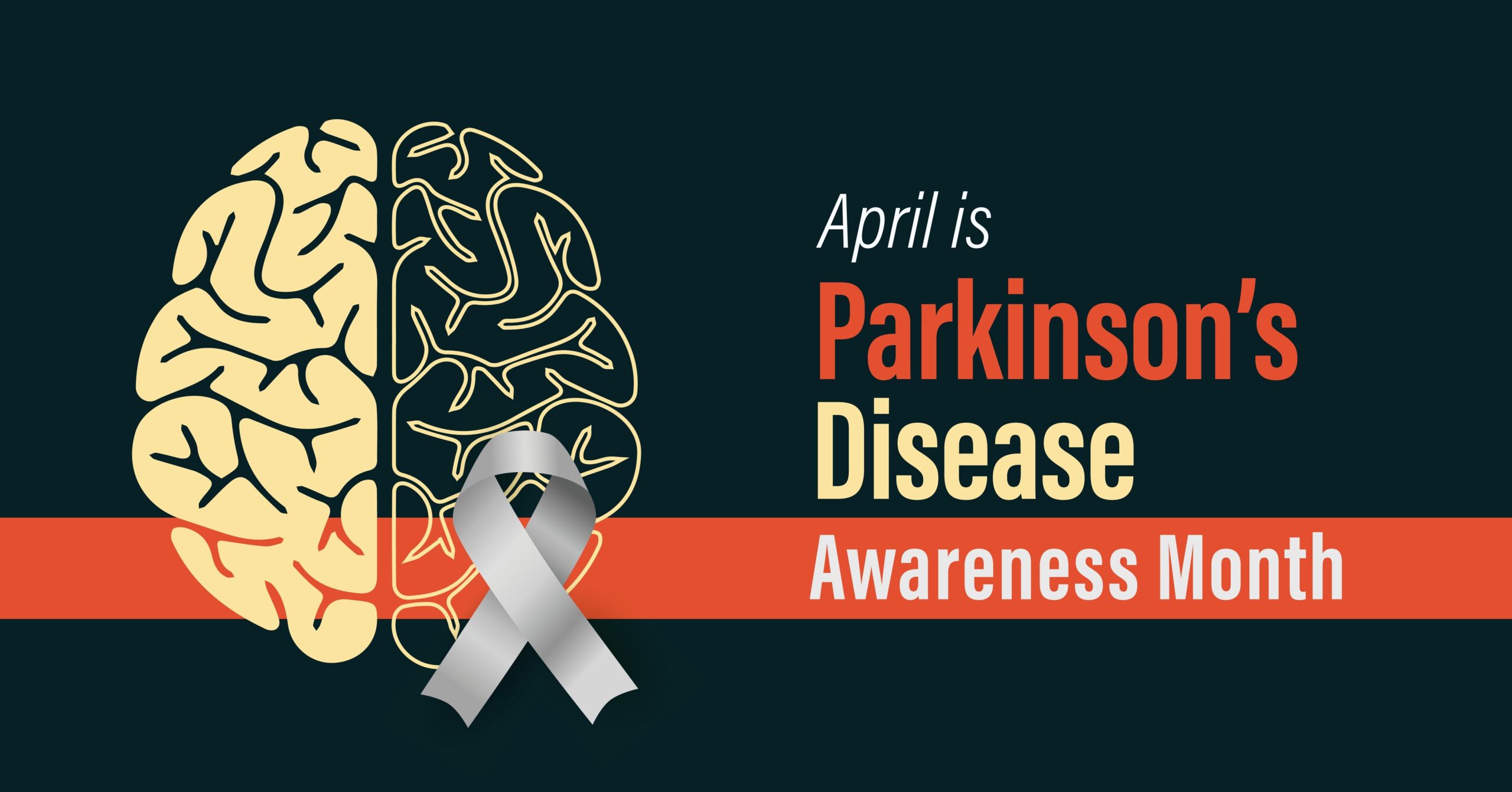
Nearly 90,000 people in the U.S. are diagnosed with Parkinson’s each year.
Understanding Parkinson’s
Parkinson’s Disease is a chronic neurological condition that causes a gradual loss of nerve cells in the brain that produce dopamine. Dopamine carries signals to the part of the brain that controls movement and coordination.
James Parkinson identified the symptoms of Parkinson’s Disease more than 200 years ago. To honor his discovery, April is Parkinson’s Disease Awareness Month, as his birth month is April. Read on to learn about statistics, early signs, and how Griswold can help those with Parkinson’s in Alexandria, Arlington, Springfield, Fairfax, and the surrounding area.
Early Signs
Due to the nature of Parkinson’s, symptoms typically develop slowly over the years and often differ from person to person. Thus, making it difficult to diagnose or tell if a loved one has it. That being said, here are several early signs of Parkinson’s:
- Tremors, often in the hands or fingers
- Small handwriting
- Loss of smell
- Trouble sleeping
- Trouble moving, including stiffness and balance problems
- Constipation
- Soft or low voice
- Reducing facial expressions
- Dizziness or fainting
- Stooping or hunching
Conditions that Mimic PD
While there are many early signs of Parkinson’s, there are also several conditions with similar symptoms that closely mimic PD.
- Essential Tremor
- Normal Pressure Hydrocephalus
- Dementia with Lewy Bodies
- Corticobasal Syndrome
- Progressive Supranuclear
These conditions, while rare, all have symptoms akin to those of Parkinson’s. If you are suffering from multiple symptoms, please reach out to your doctor to schedule an appointment.
Managing Symptoms
While there is currently no cure for Parkinson’s, there are ways to manage symptoms outside of just medication. Sports and exercise regimens have been proven to help increase your flexibility, balance, motor control, and strength. Typical physical activities for PD patients include yoga, biking, non-contact boxing, and walking. Another treatment option is a focused ultrasound, which is a non-invasive option that is FDA-approved for those suffering from tremor-predominant PD. This method attacks brain cells that cause motor problems. It should be noted that focused ultrasound therapy is permanent and irreversible.
A third treatment method is deep brain stimulation (DBS). While typically reserved for those who don’t respond to medication, this surgical procedure places thin metal wires in the brain that send electrical pulses that help with motor symptoms. DBS is mostly only considered for those who have had Parkinson’s for a handful of years. There is a common misconception that DBS is less effective than advertised. However, it has been used successfully for decades and is a standard procedure. It works akin to a pacemaker; however, the wires are in the brain, not the heart.
Local Resources
While it may be difficult living with Parkinson’s, there are many support groups and local resources available to you in our area. The Parkinson Social Network provides a thorough list of support groups across Virginia. Examples of support groups include Springfield PD and Carepartner Group, Women with PD Support Group, and Caregiver Support Groups to name a few.
Griswold is here for you
If you or a loved one are living with Parkinson’s, a Griswold Caregiver can help support you in the comfort of your own home. We offer a variety of specialized home Care Services, including Respite Care, 24-hour care, or one of our Essential Care Services, including Companionship, Personal care, and Homemaking.
Contact Us
If you are living with Parkinson’s in the Alexandria area and need support to continue to age at home, give us a call today. We would be happy to put together a personalized care plan for you.
Subscribe
Date: April 28, 2025
Category: