What Families Should Know About Frailty and Aging
Category:

For many older adults in Manhattan, aging well is about more than simply managing doctor’s appointments or staying on top of medications. It is also about maintaining strength, confidence, independence, and the ability to keep enjoying daily life at home.
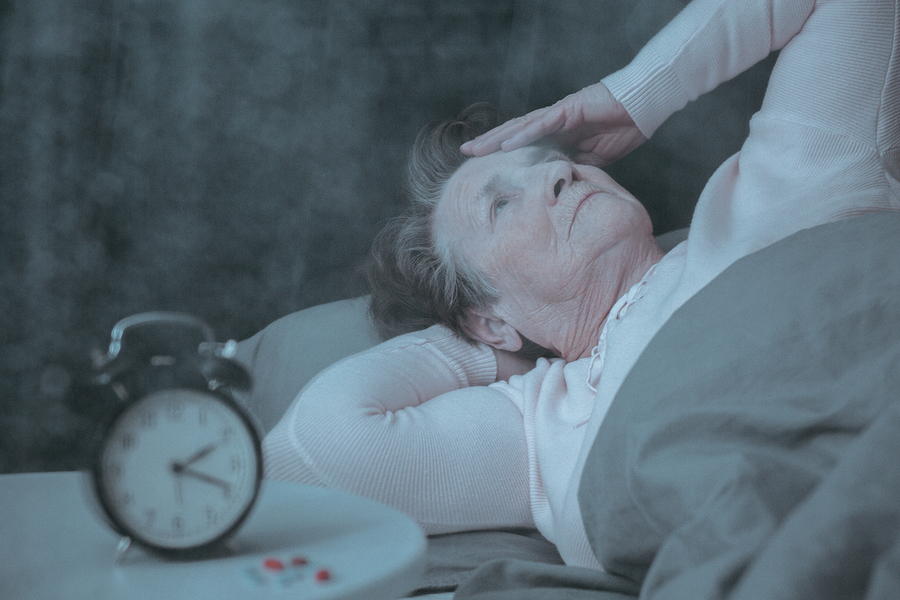
A recent New York Times article explored the topic of frailty and aging, highlighting an important point for seniors and their loved ones: frailty is not just “getting older.” It can involve a noticeable decline in strength, energy, balance, mobility, appetite, and the ability to recover from illness or everyday stress. While frailty can feel discouraging, it is also something families can pay attention to early and address with the right support.
For seniors living in Manhattan, even small changes in stamina or mobility can affect independence. Apartment stairs, busy sidewalks, errands, appointments, and daily routines can become more challenging. A loved one who once walked to the pharmacy with ease may begin avoiding errands, moving more slowly, or choosing to stay home more often.
Frailty often shows up gradually. Families may notice that a parent or loved one seems more tired, is preparing fewer meals, has trouble keeping up with housekeeping, or needs more help bathing, dressing, or getting safely around the home. For adult children, these changes can be especially stressful when they are balancing work, family, and caregiving responsibilities of their own.
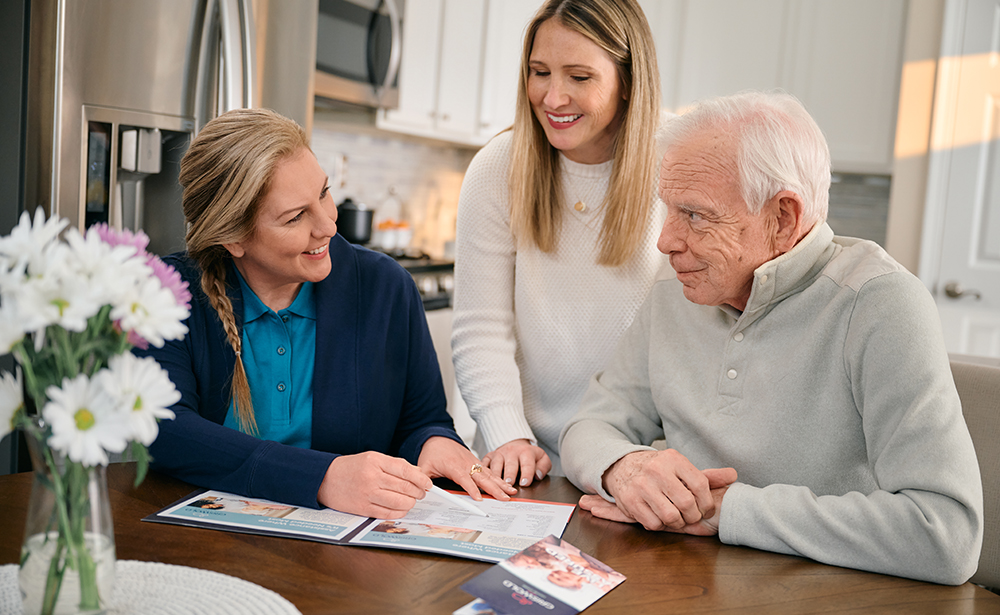
The good news is that help does not have to wait until there is a crisis. At Griswold Care Pairing for Manhattan, we connect families with compassionate caregivers who can help older adults remain as safe, comfortable, and independent as possible at home.
Companion care can provide conversation, encouragement, help with errands, accompaniment on walks, and support with daily routines. Homemaking assistance can help with light housekeeping, laundry, grocery shopping, and meal preparation. Personal care can support bathing, grooming, dressing, toileting, and safe movement around the home. Respite care gives family caregivers time to rest and recharge, while live-in or around-the-clock care can provide more consistent support when needs become greater.
Addressing frailty is not about taking independence away. In many cases, it is about helping protect it. With the right care and support, seniors can continue enjoying the routines, connections, and comforts that make home feel like home.
If you are noticing changes in a parent, spouse, or loved one, starting the conversation early can make a meaningful difference. Griswold Care Pairing for Manhattan can help families explore care options and connect with caregivers who provide companionship, personal care, homemaking assistance, respite care, and live-in or around-the-clock support.
To learn more, contact Griswold Care Pairing for Manhattan or download our Path to Care Guide for helpful information as you begin the planning process.
Subscribe
Date: June 29, 2026
Category: