Fall Prevention for Seniors at Home: How to Make Everyday Living Safer
Category:
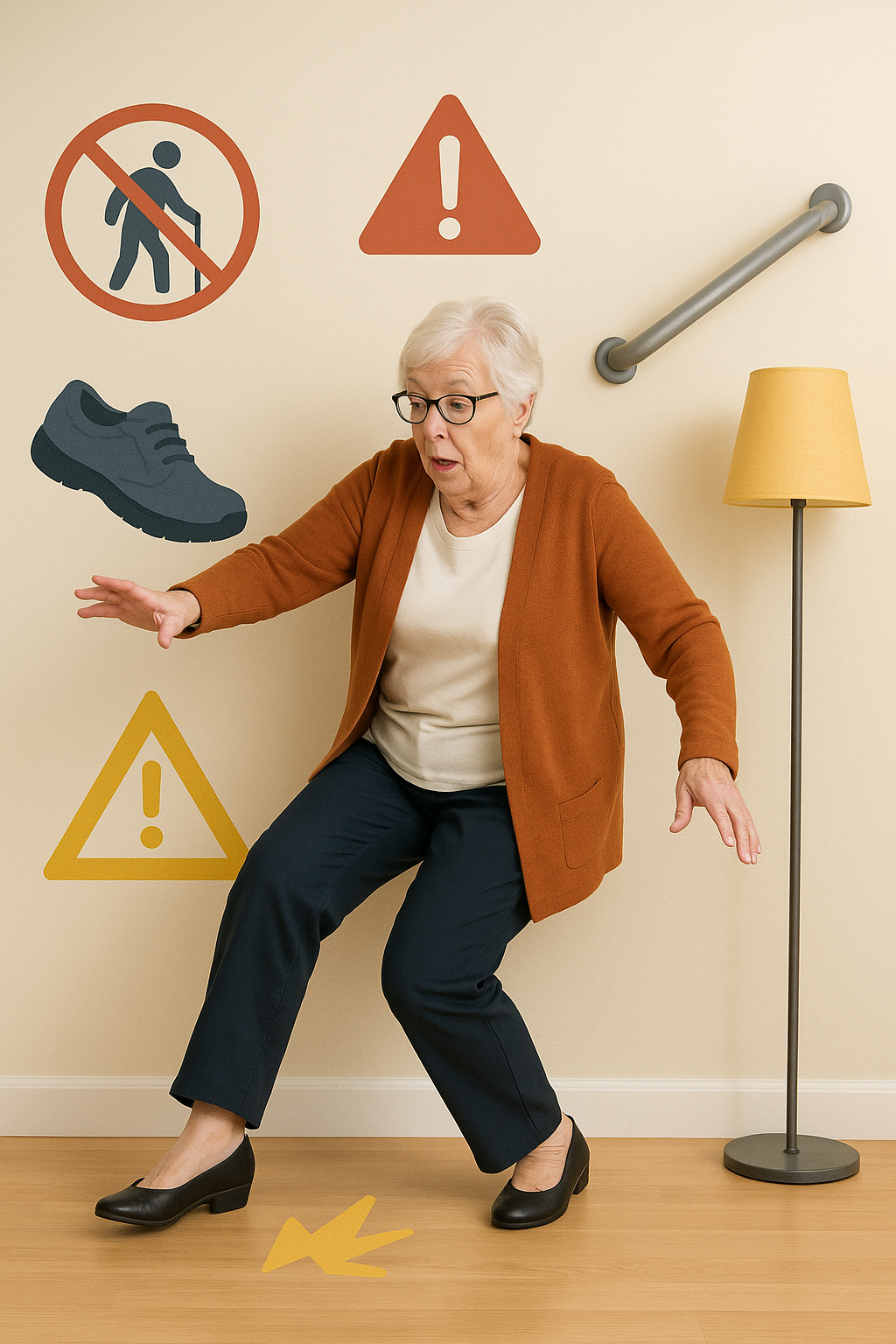
Falls are one of the leading causes of injury for older adults, often resulting in hospital visits, loss of independence, or long-term health complications. The good news is that most falls can be prevented by taking proactive steps to improve safety at home. From small adjustments like removing clutter to more structured support like a professional home safety assessment, families can make their loved ones’ environment much safer.
At Griswold, we understand how crucial it is to create a safe, supportive space where seniors can age with dignity and confidence. That’s why we offer Home Safety Assessments and caregiver support tailored to preventing falls before they happen. Here are some practical tips and strategies every family should consider.
Why Fall Prevention Matters
According to the CDC, millions of adults over the age of 65 experience a fall each year, and one out of five falls leads to serious injuries such as broken bones or head trauma. These incidents can set off a chain reaction—hospital stays, reduced mobility, and loss of independence.
For families, prevention is far easier and less costly—both emotionally and financially—than recovery after a fall. By making simple upgrades and involving trained caregivers, you can help your loved one avoid these risks and enjoy greater peace of mind.
Step 1: Clear the Pathways
The first line of defense against falls is ensuring that walkways inside and outside the home are clutter-free. Many falls occur simply because of obstacles in everyday pathways.
- Remove loose rugs or secure them with non-slip backing.
- Keep floors free from clutter. Shoes, electrical cords, and pet toys are common tripping hazards.
- Improve lighting. Install brighter bulbs in hallways, stairways, and entryways. Consider motion-sensor night lights to help seniors move around safely at night.
These small changes immediately reduce risks and make the home easier to navigate.
Step 2: Add Supportive Equipment
When mobility is limited, extra support can prevent accidents. Installing simple, affordable equipment goes a long way toward making the home safer.
- Grab bars in bathrooms: Place them near toilets, showers, and bathtubs to give added stability.
- Non-slip mats: A must for bathrooms and kitchens where surfaces can become wet.
- Handrails on both sides of stairs: Many homes only have one railing, but doubling up provides safer balance.
- Raised toilet seats or shower chairs: Helpful for seniors who have difficulty sitting or standing for long periods.
These upgrades are low-cost compared to the medical bills and challenges of recovering from a fall.
Step 3: Think Beyond the Interior
Fall risks aren’t limited to the inside of the home. Outdoor areas can be just as hazardous.
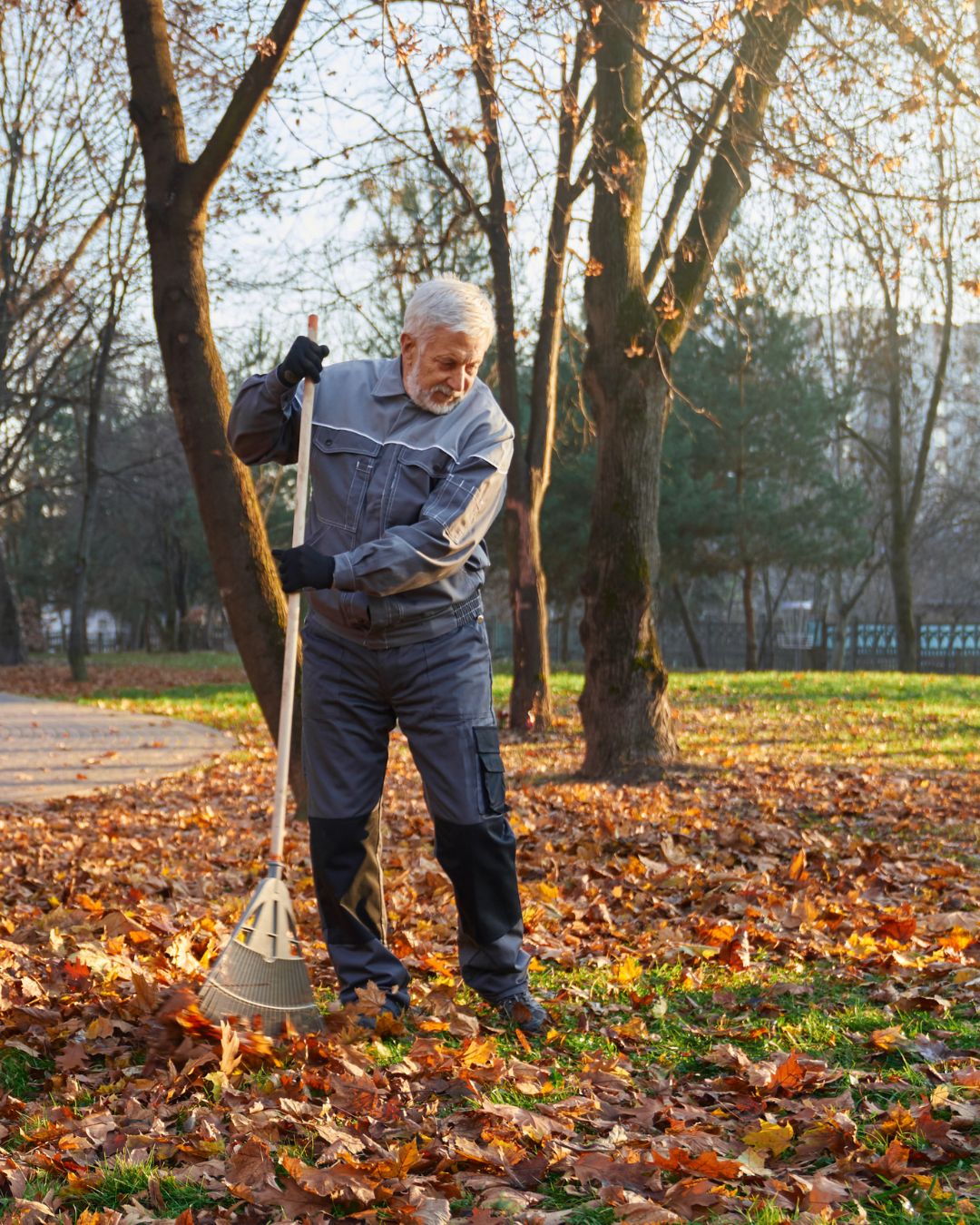
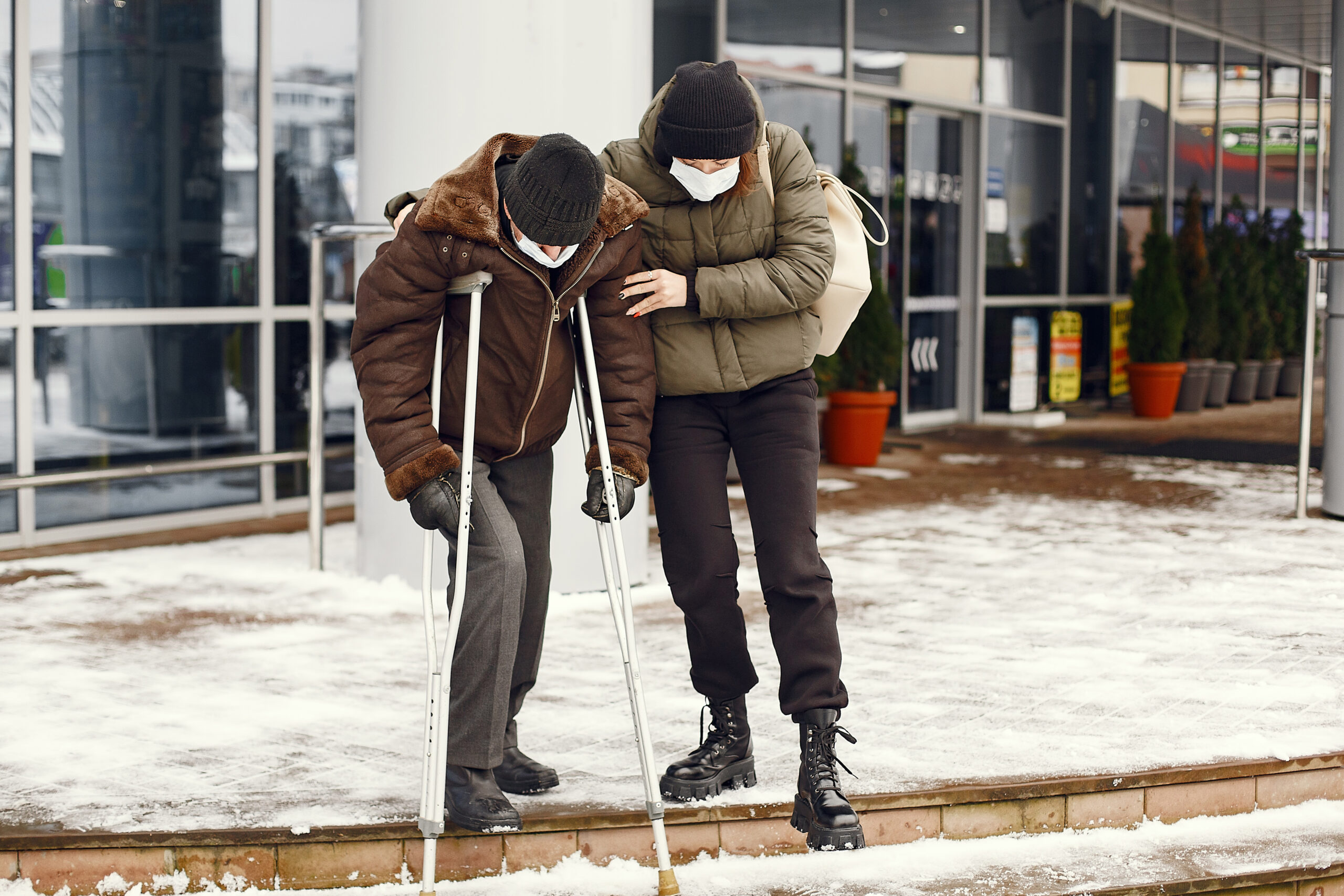
- Keep pathways clear of leaves, snow, or ice.
- Repair uneven walkways or cracked steps.
- Install sturdy railings on porches and entryways.
- Ensure good outdoor lighting. Motion-sensor lights can prevent nighttime falls.
A safe outdoor environment helps older adults remain active, which in turn supports strength and balance.
Step 4: Consider Mobility and Health Needs
Every individual has unique health challenges that affect balance and mobility. Medications, vision problems, and chronic conditions can all increase fall risks.
- Encourage regular vision and hearing checks. Poor eyesight and hearing can lead to missed hazards.
- Support strength and balance exercises. Activities like Tai Chi or simple chair exercises improve stability.
- Review medications. Some prescriptions cause dizziness or drowsiness—both can make falls more likely.
This holistic approach ensures fall prevention strategies are tailored to the person’s health.
Griswold’s Role: Home Safety Assessments
While DIY upgrades are important, families often overlook hidden risks in the home. That’s where a professional Home Safety Assessment makes all the difference. At Griswold, our team evaluates the living environment with a trained eye, identifying hazards and recommending personalized improvements.
From suggesting where grab bars should be installed to spotting overlooked lighting issues, we provide families with an actionable plan. This service is especially valuable for loved ones transitioning home after surgery or hospitalization, when fall risk is at its highest.
The Importance of Caregiver Support
Even with the safest home possible, seniors often need day-to-day support to reduce fall risks. That’s why caregivers play such an essential role.
Griswold caregivers help by:
- Assisting with walking, transfers, and mobility.
- Encouraging safe exercise and hydration to prevent weakness or dizziness.
- Monitoring the environment daily for new hazards.
- Providing companionship and reducing the risk of falls caused by rushing or stress.
Having a trusted caregiver in the home not only keeps seniors safe but also gives families peace of mind knowing their loved one isn’t facing risks alone.
A Safer Home, A Stronger Future
Fall prevention isn’t just about reducing accidents—it’s about preserving independence, dignity, and quality of life. By making small safety upgrades, scheduling a home safety assessment, and incorporating caregiver support, families can help loved ones enjoy their golden years without unnecessary risks.
At Griswold, we are committed to being your partner in care. Whether you need guidance through a professional safety assessment or daily caregiver assistance, we’re here to help you build a safer, healthier home environment for the people who matter most.
Key Takeaways
- Remove clutter, secure rugs, and improve lighting to minimize risks.
- Install supportive equipment like grab bars, handrails, and non-slip mats.
- Don’t overlook outdoor safety—maintain pathways and lighting.
- Consider health factors such as medication side effects or vision changes.
- Leverage Griswold’s Home Safety Assessments and caregiver support for complete protection.

About the Author:
Erin Pickrell, Director
Inspired by her mother’s 20+ year legacy with Griswold Home Care, Erin Pickrell developed a lifelong passion for serving others and making a meaningful impact in the nonprofit and caregiving space. As Director, she is committed to delivering exceptional experiences for both clients and caregivers, while fostering a compassionate, connected care community. Erin is a Certified Senior Advisor and a Certified Dementia Practitioner, dedicated to continually advancing the quality of in-home care.
Subscribe
Date: September 25, 2025
Category: