When Is It Time to Consider Home Care?
Category:

Many families wait until there is a major crisis before exploring home care. In reality, the best time to consider help is often earlier — when small challenges begin affecting safety, health, or daily life.
Home care is not always about a major decline. Sometimes it simply means having extra support so an older adult can remain safe, independent, and comfortable at home.
Signs It May Be Time to Consider Home Care
Everyday Tasks Are Becoming Difficult
You may notice a loved one struggling with:
- meal preparation,
- housekeeping,
- laundry,
- grocery shopping,
- medication reminders,
- or transportation to appointments.
What once felt routine may now feel exhausting or overwhelming.
Safety Concerns Are Increasing
Small safety issues can become larger risks over time, including:
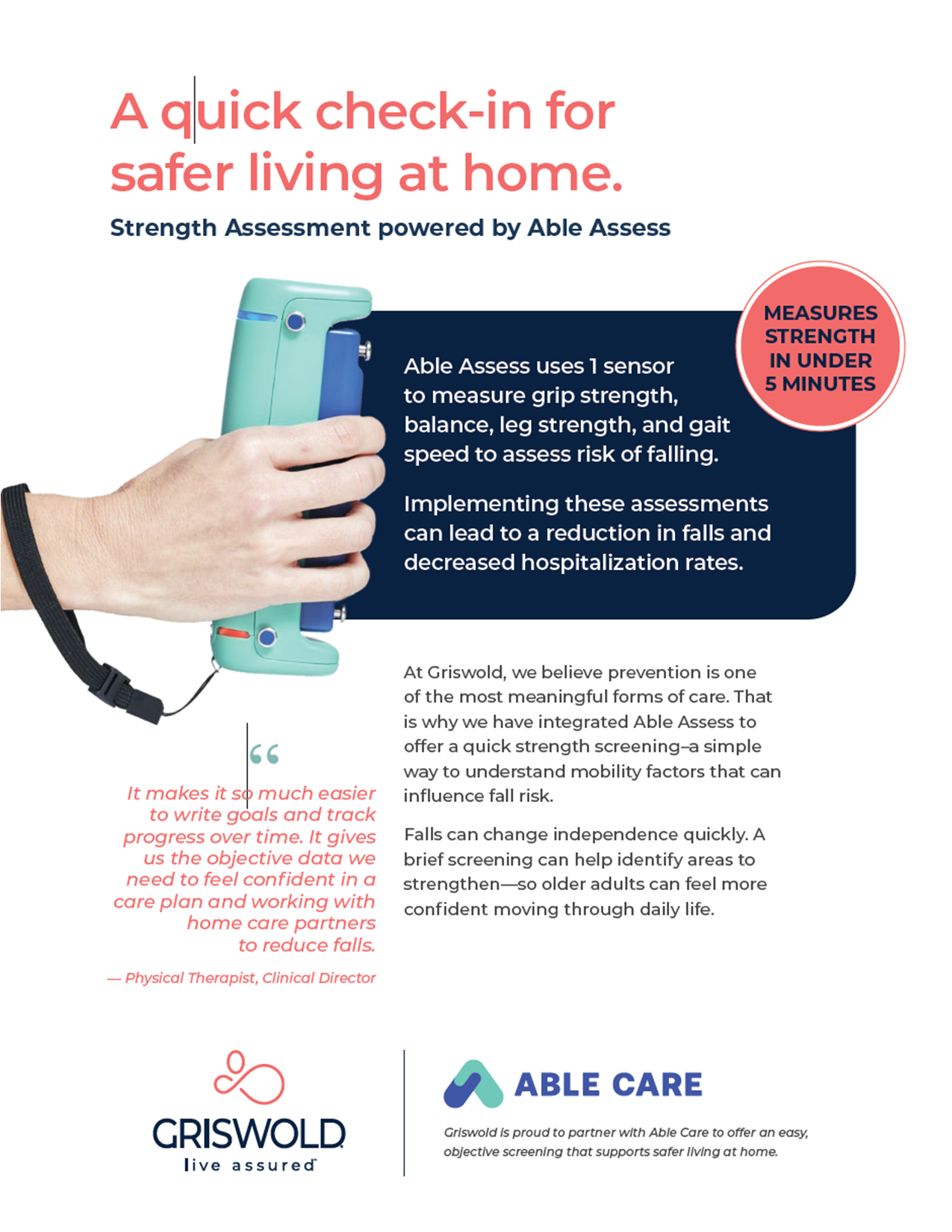
- falls or near falls,
- forgetting to turn off the stove,
- wandering,
- difficulty getting in or out of bed,
- or confusion during the day or night.
Families often begin considering home care after realizing they are worried when their loved one is alone.
Memory Changes Are Affecting Daily Life
Occasional forgetfulness is common with aging. However, repeated confusion, missed medications, poor judgment, or getting lost may signal the need for additional support.
For families caring for someone with dementia or Alzheimer’s disease, early support can reduce stress and help create better routines before situations become overwhelming.
Family Caregivers Are Becoming Exhausted
Many adult children and spouses try to handle everything themselves. Over time, caregiving can affect:
- sleep,
- work,
- health,
- relationships,
- and emotional well-being.
Sometimes home care is not only for the senior — it is also for the family caregiver who needs support, rest, and peace of mind.
Hospital or Rehab Discharge Is Approaching
A hospitalization often changes everything.
After surgery, illness, or rehab stays, many seniors need temporary or ongoing help at home with:
- mobility,
- bathing,
- meals,
- reminders,
- and supervision.
Having support during recovery can help reduce stress and lower the risk of setbacks or readmissions.
Loneliness and Isolation Are Increasing
Many seniors spend long periods alone, especially after losing a spouse or giving up driving.
Companionship and social interaction are important parts of healthy aging. Sometimes regular visits from a caregiver can improve mood, confidence, and overall quality of life.
Starting Earlier Often Creates Better Outcomes
One common misconception is that home care should only begin during a crisis.
In many cases, starting with just a few hours of help each week allows seniors to:
- maintain independence longer,
- build trust and comfort with caregivers,
- reduce family stress,
- and avoid emergency decisions later.
Home care can often grow gradually as needs change.
Home Care Looks Different for Every Family
Some families need:
- a few hours of companionship,
- respite care for a caregiver,
- help after a hospital stay,
- dementia support,
- or more consistent daily assistance.
The right plan depends on each family’s situation, goals, and comfort level.
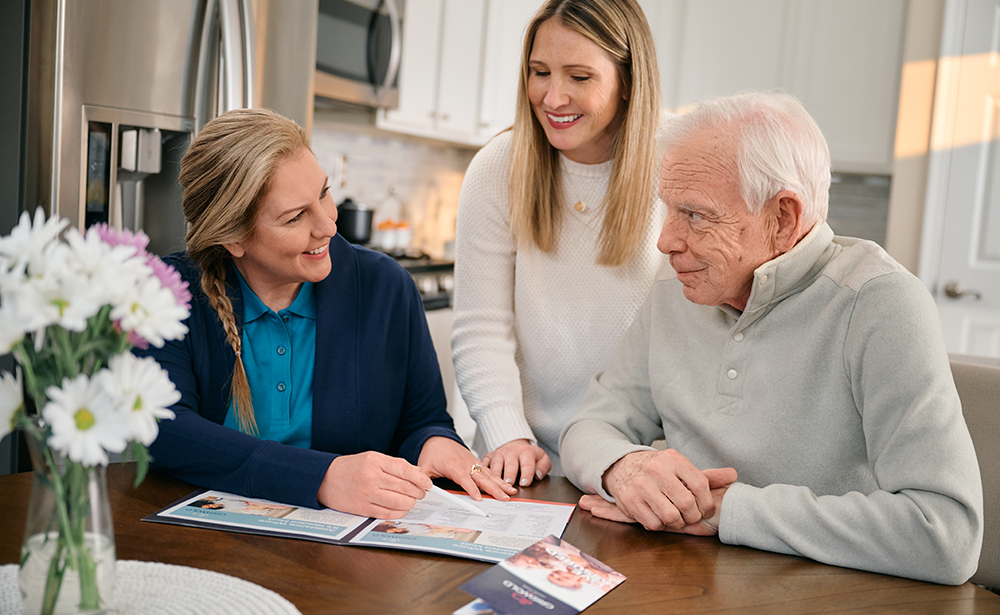
At Griswold Home Care Tampa/Pasco, families often begin with simple conversations about what support may help now — and what may help in the future.
Final Thoughts
Many families say the same thing after starting home care:
“We wish we had done this sooner.”
The right time to consider home care is often when small concerns begin creating stress, worry, or safety challenges — not necessarily when a crisis occurs.
Early support can help seniors remain independent longer while giving families greater confidence and peace of mind.
Subscribe
Date: May 20, 2026
Category: