What Support Looks Like at the End of Life
Category:
When a loved one enters hospice care, families often hear the phrase “comfort and support.” But what does support actually look like during this stage of life?
For many families in Tampa Bay, hospice begins with a simple goal: helping someone remain as comfortable, peaceful, and supported as possible — often at home, surrounded by familiar people and routines. While hospice teams focus on medical care and symptom management, families quickly discover there are many everyday needs that continue around the clock.
That’s where additional caregiving support can make a meaningful difference.
Support Means More Than Medical Care
End-of-life care is about far more than medications or appointments. Emotional reassurance, companionship, personal care, meal preparation, and simply having someone nearby can help both the individual and their family feel less overwhelmed. Hospice programs themselves often describe support as including emotional presence, practical help, and caregiver relief in addition to medical care.
In many homes, family caregivers become the center of daily care very quickly. They may be helping with mobility, meals, hygiene, medication reminders, overnight monitoring, and emotional support — all while processing anticipatory grief themselves.
It can be exhausting, even for the most devoted families.
Small Moments Matter
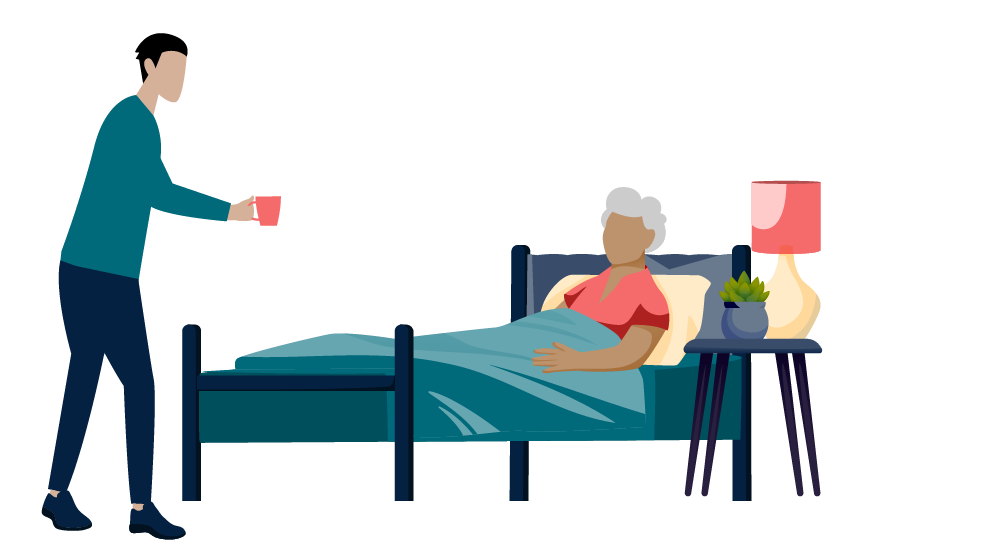
At the end of life, support often looks surprisingly simple.
It may mean:
- Sitting quietly with someone who does not want to be alone
- Helping them remain clean, comfortable, and dignified
- Preparing light meals or keeping water nearby
- Giving a spouse time to rest for a few hours
- Playing familiar music or listening to old stories
- Offering reassurance during moments of confusion or anxiety
Many families are surprised to learn that emotional presence can matter just as much as physical assistance. Experts in hospice and palliative care consistently note that companionship, calm conversation, and simply being present can ease fear and loneliness for both patients and families.
Caregivers Need Support Too
One of the most overlooked parts of hospice care is the strain placed on family caregivers.
Loved ones often feel they need to “do everything” themselves. But caregiving at the end of life can become physically and emotionally draining, especially when sleep is interrupted and responsibilities continue day after day. Hospice organizations and caregiver advocates frequently emphasize the importance of respite and emotional support for families during this time.
Having additional non-medical support in the home can allow family members to:
- Step away briefly without worry
- Rest and recharge
- Spend meaningful time together as family instead of only focusing on tasks
- Feel less alone during difficult moments
Sometimes, that support is what allows families to continue honoring a loved one’s wish to remain at home.
Every Family’s Needs Are Different
No two hospice journeys look exactly alike. Some families need overnight support. Others may only need companionship a few hours a week. Some want help with personal care, while others simply want someone nearby who understands how emotionally difficult this season can be.
What matters most is knowing families do not have to navigate it alone.
At Griswold Home Care of Tampa/Pasco, we understand that support at the end of life is deeply personal. Our caregivers can work alongside hospice providers to help families throughout Hillsborough and Pasco Counties feel more supported, cared for, and less overwhelmed during one of life’s most difficult transitions.
Subscribe
Date: May 20, 2026
Category: