Grief and Aging: How Home Care Companionship Supports Seniors
Category:
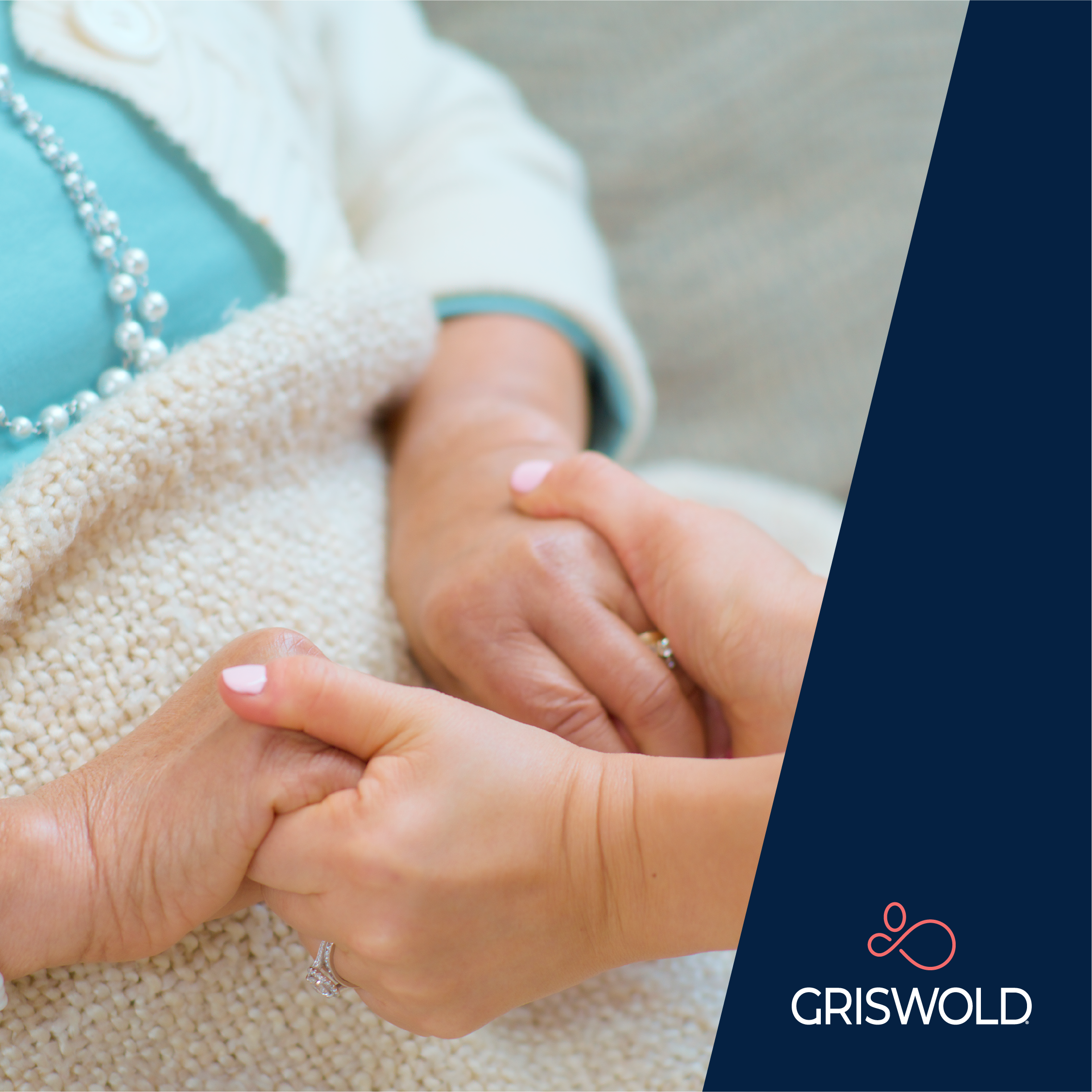
Grief is a natural response to loss, but grief in seniors can be different from grief experienced earlier in life. As people age, they may face multiple losses within a short period of time, including the death of loved ones, reduced independence, health changes, retirement, or relocation. These experiences can affect emotional well-being and make daily life feel more difficult.
Griswold Home Care of Stratford provides compassionate, non-medical home care services that support older adults through companionship, routine assistance, and meaningful human connection.
Understanding Grief in Older Adults
Aging often brings life transitions that can lead to grief. While younger adults may associate grief mainly with the death of a loved one, seniors may grieve many changes at once.
Common causes of grief in older adults include:
- Loss of a spouse or partner
- Death of close friends or family members
- Changes in physical ability or independence
- Moving out of a longtime home
- Retirement or loss of daily structure
- Reduced social interaction
These losses can impact a senior’s sense of identity, purpose, and connection.
How Seniors May Express Grief
Grief does not always look obvious. Some older adults may not talk openly about their feelings. Others may express grief through behavior changes rather than words.
Signs of grief in seniors may include:
- Social withdrawal
- Loss of interest in hobbies
- Low energy or fatigue
- Changes in appetite or sleep
- Irritability or sadness
- Difficulty concentrating
- Increased anxiety or worry
Families may mistake these signs for normal aging, but they can also be signs that an older adult is struggling emotionally.
Loneliness and Grief in Seniors
One of the greatest concerns related to grief and aging is isolation. Seniors who have lost a spouse, friends, or community connections may spend more time alone. Limited transportation, mobility challenges, or health concerns can make it harder to stay socially engaged.
Loneliness can make grief more difficult to manage. That is why companionship care for seniors can be so valuable. Regular visits from a compassionate caregiver can provide comfort, conversation, and reassurance.
How Non-Medical Home Care Supports Grieving Seniors
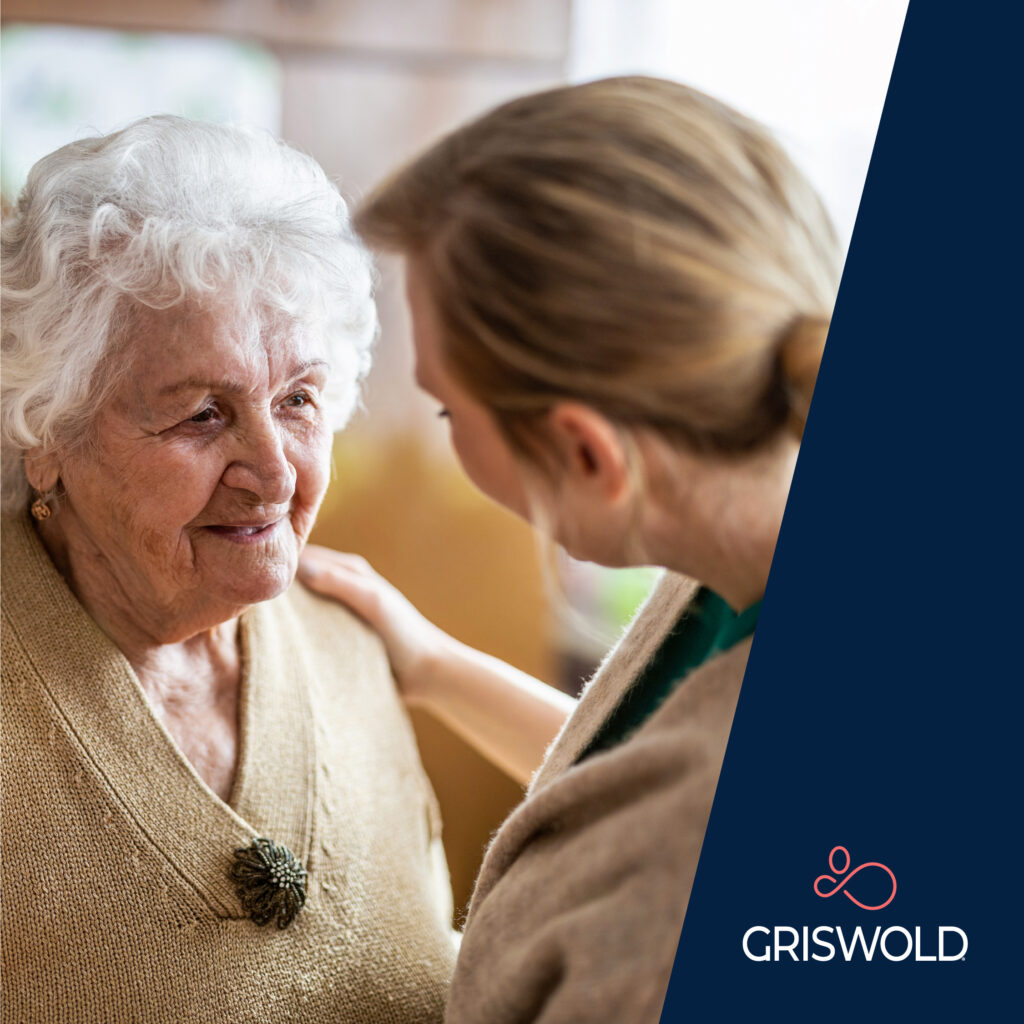
Non-medical home care helps older adults with daily living needs while also providing companionship and emotional support. While caregivers do not provide medical treatment or grief counseling, they can offer a steady, compassionate presence during a difficult time.
Griswold Home Care can support grieving seniors through:
- Companion care: Friendly conversation, shared activities, and emotional presence
- Routine support: Help maintaining daily habits and structure
- Household assistance: Light housekeeping, meal preparation, and errands
- Transportation support: Help getting to appointments, community events, or family visits
- Observation and communication: Noticing changes and helping families stay informed
This support can help seniors feel less isolated while continuing to live comfortably at home.
Compassionate Senior Care During Times of Loss
Every person grieves differently. Some seniors may want to talk about their loved one often, while others may prefer quiet companionship. A compassionate caregiver respects each person’s needs and offers support without pressure.
At Griswold Home Care, we believe emotional well-being is an essential part of quality senior care. Our non-medical home care services help older adults feel supported, connected, and respected as they navigate grief and life changes.
If you or a loved one needs compassionate home care companionship during a time of loss, Griswold Home Care is here to help. We service Stratford, Milford, Trumbull, Fairfield, Shelton, and surrounding towns.
Subscribe
Date: June 11, 2026
Category: