
Grief Awareness in St. Charles, MO
Category:
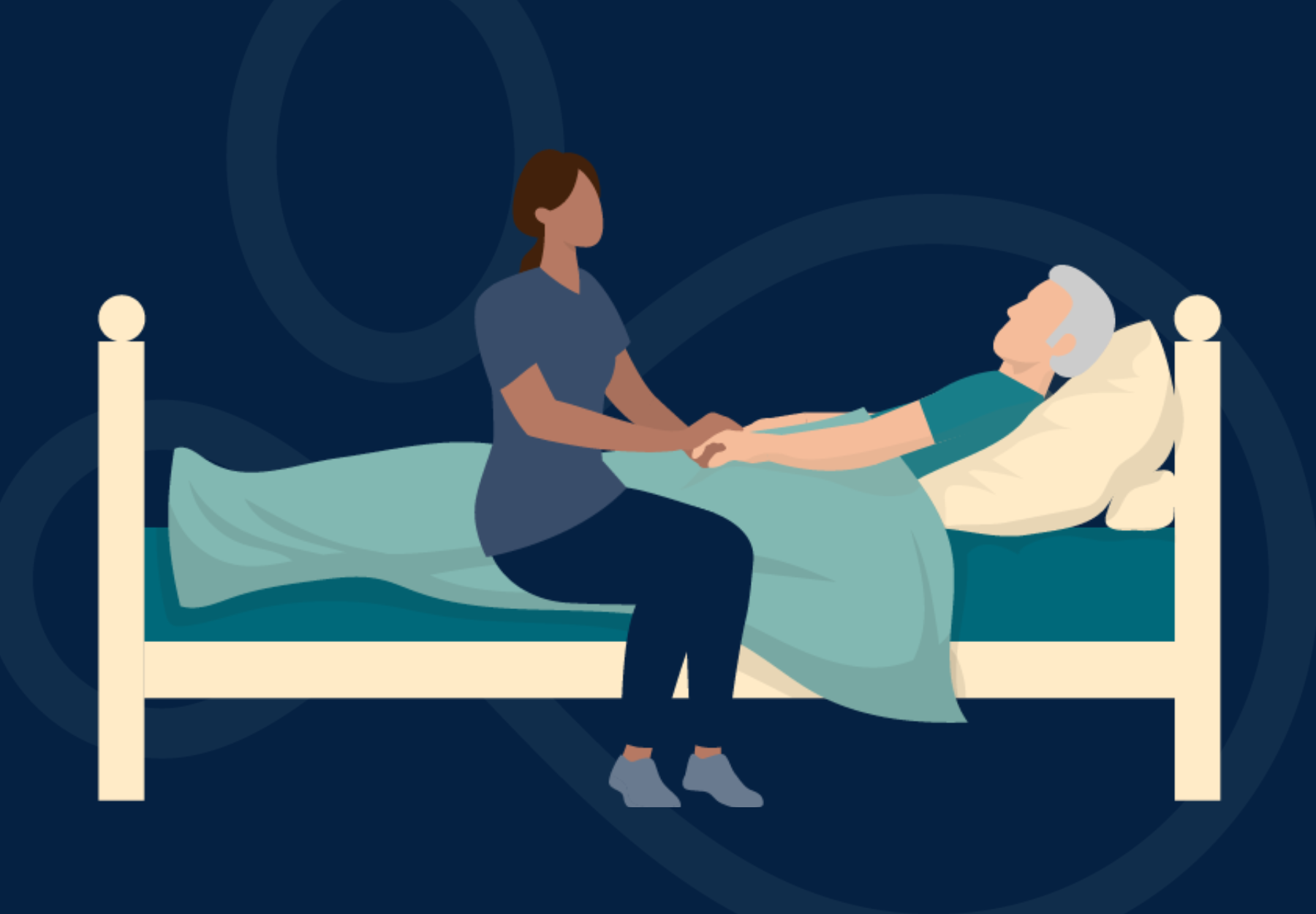
Did you know August 30 is Grief Awareness Day?
Grief describes the feelings that come with experiencing a loss. This can be the loss of a loved one or a pet. Grief can also manifest in response to the loss of a job. Those who experience certain conditions, illnesses, and injuries may grieve the loss of their independence.
Each individual grieves differently. This includes each of our Clients and referred Caregivers. We’ll explore more around this topic in this month’s blog post.
How Does Grief Impact Seniors?
As people age, they have to navigate more and more losses. On top of this, many individuals grow up avoiding the topic of death. These factors can make grief very hard to navigate for older adults. Seniors navigating grief may experience issues like:
- Anxiety, fear, guilt, and sadness
- Difficulty concentrating on tasks and remembering information
- Feeling like they aren’t grieving fast enough
- Uncertainty and confusion
How Does Grief Impact Referred Caregivers?
Referred Caregivers and family Caregivers may start to feel a loss before a Client or loved one passes away. This is known as anticipatory grief. Some conditions, like Alzheimer’s and dementia, cause permanent changes to an individual’s personality. This can cause feelings of loss and grief before they pass away. It might feel like they are already gone.
Referred Caregivers and family Caregivers might also grieve the loss of their independence. Caregiving is a selfless act that can be exhausting and time-consuming. Caregivers might not have time for self-care, socializing, or hobbies. This can feel like a loss of the life they once lived.
How Can I Navigate My Grief?
Review these tips from the National Institute of Aging to help navigate grief:
- Find a support system: It can be helpful to acknowledge the feelings that come with grief. Seek support in friendships, family, and community. We can also refer a Caregiver to provide companionship. They may be able to support hobbies and interests, or accompany you to a community event.
- Grief counseling: You can engage with a grief counselor or therapist for talk therapy. They help patients process and accept a loss. Some counselors and therapists offer virtual appointments.
- Self-care: Maintain healthy habits when you can. If you’re able to, try to get regular exercise. Eat a nutritious diet, and prioritize sleep. Avoid alcohol and tobacco. Participate in activities and hobbies you enjoy. Also, try to stay on top of doctors’ appointments.
- Support groups: Different support groups are designed for a variety of needs. Some are made for those looking to navigate any type of loss. Others are more specific, such as groups for people who have lost a loved one to dementia. You may be able to find support groups online, through a hospice care professional, or at a senior center or place of worship. You can check out GriefShare to find support groups across Missouri. This includes groups in Kirkwood, Creve Coeur, Olivette, Chesterfield, and Wildwood. Also, Baue Funeral Homes has a location in St. Charles. Their calendar is full of virtual support groups.
What If I Need Support At Home?
At Griswold Care Pairing for St. Charles, St. Louis & Warren Counties, we refer compassionate Caregivers to assist you in your home. Our in-home senior care pairing services include 24-hour home care, companion care, personal care, respite care, and more. We proudly serve areas in and around Ladue, Frontenac, Huntleigh, Rock Hill, Brentwood, and more. Give us a call to learn more today!
Subscribe
Date: August 18, 2026
Category: