
Living with Parkinson’s in The Valley
Category:
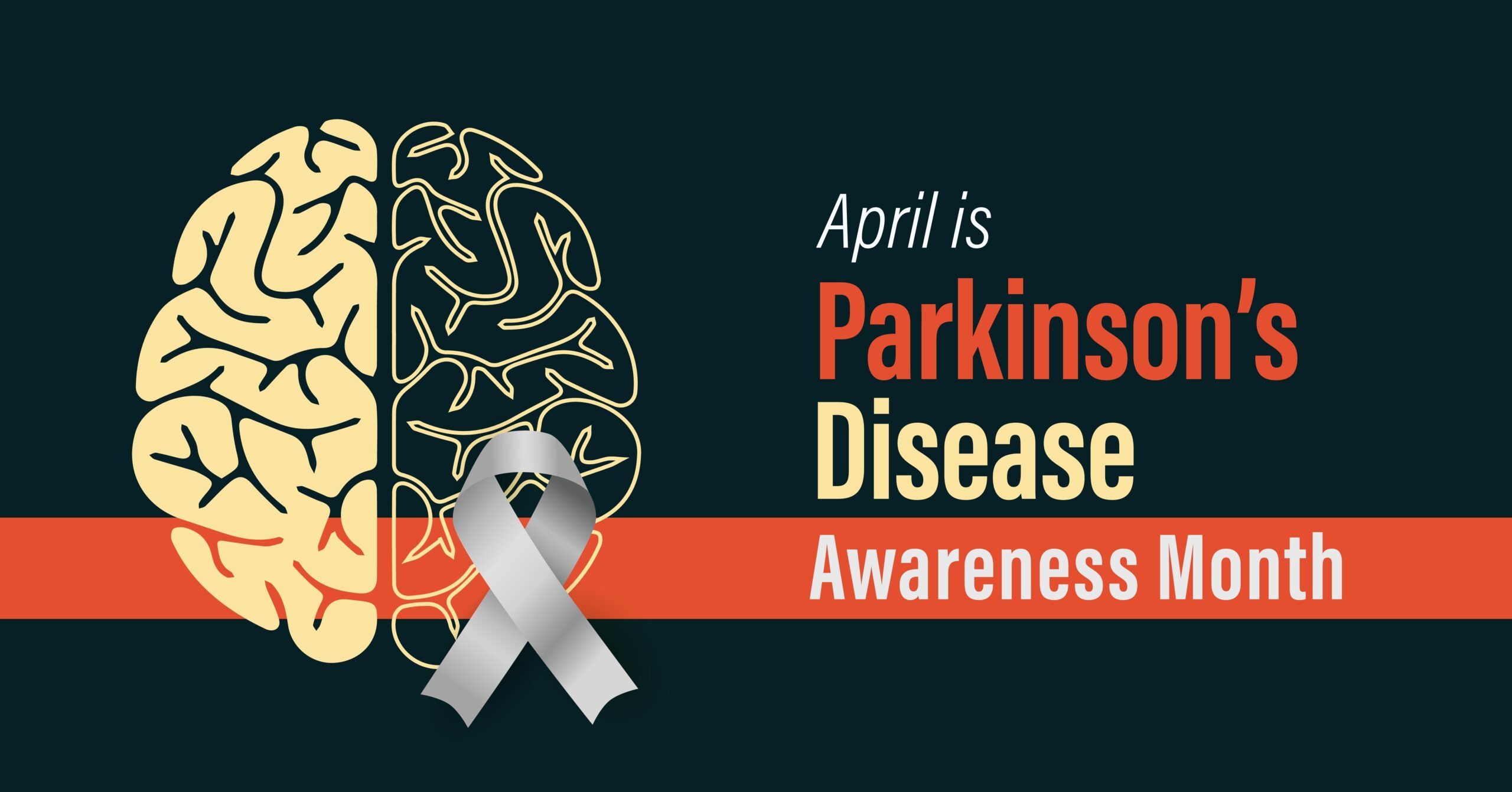
Over 1 million people in the U.S. are currently living with Parkinson’s.
Parkinson’s Disease is a progressive neurological condition that develops when specific nerve cells in the brain slowly stop functioning. These cells produce a chemical called dopamine, which helps regulate and control movement. When dopamine levels drop, it can lead to symptoms that make everyday activities more difficult.
Over 200 years ago, James Parkinson first documented the symptoms of this condition. Today, his legacy is honored each April, the month of his birth, during Parkinson’s Disease Awareness Month.
Understanding Parkinson’s
Fast Facts
- Nearly 90,000 people in the U.S. are diagnosed with Parkinson’s each year.
- A combination of environmental and genetic factors causes PD.
- Symptoms can be managed through medications, lifestyle changes, exercise, and in some cases, surgery.
- The risk increases with age, but the average age of onset is 60.
Myths about PD
While Parkinson’s is a well-known disease, there are several misconceptions about it.
- Misconception 1: There are only motor conditions – The motor symptoms are well documented, but there are several non-motor symptoms such as cognitive impairment, anxiety, depression, fatigue, and sleep problems.
- Misconception 2: Everyone who has Parkinson’s disease gets tremors – While perhaps the most recognizable symptom, some people with PD will never have tremors.
- Misconception 3: Parkinson’s disease is fatal – The disease is not a direct killer, such as something like a heart attack or seizures. Your quality of care and how you manage your condition will greatly affect how the disease affects you.
- Misconception 4: Aside from medication, there isn’t much you can do – There are a lot of ways to help manage your symptoms. Read below on how to approach the management of treatments and prevention.
Managing Symptoms and Prevention
While there’s no cure for Parkinson’s at this time, there are many strategies for managing symptoms. Planning and finding the right mix of management strategies can help manage the disease. Thus, allowing you to continue to lead a fulfilling life. A few popular strategies for managing symptoms include:
- Exercising for 2.5 hours weekly can help slow symptoms.
- Focusing on medication that replenishes or mimicks dopamine.
- Maintaining a healthy diet, including drinking a lot of water.
- Eating fiber-heavy foods and limiting sugar, and alcohol.
As the cause of PD is not known, there is a lot of research that demonstrates factors that help protect against it. These include regular exercise, medicines such as ibuprofen and statins, and caffeine consumption – specifically coffee and green tea.
Local Support in Scottsdale
Parkinson’s Support Group (Scottsdale) – Duet
Parkinson Mentors Arizona Support Groups (Scottsdale)
Griswold is here for you
If you or a loved one is living with Parkinson’s, a Griswold Caregiver can help support you in the comfort of your own home. We offer a variety of specialized home care services, including Respite Care, 24-hour care, or one of our Essential Care Services, including Companionship, Personal care, and Homemaking.
Contact Us
Living with Parkinson’s doesn’t mean giving up your independence. If you’re in Scottsdale and need help navigating Parkinson’s at home, give us a call. Our team would be happy to put together a personalized care plan for you.
Subscribe
Date: April 28, 2025
Category: