Incontinence Care for Elderly Parent in Raleigh: A Guide to Compassionate Support
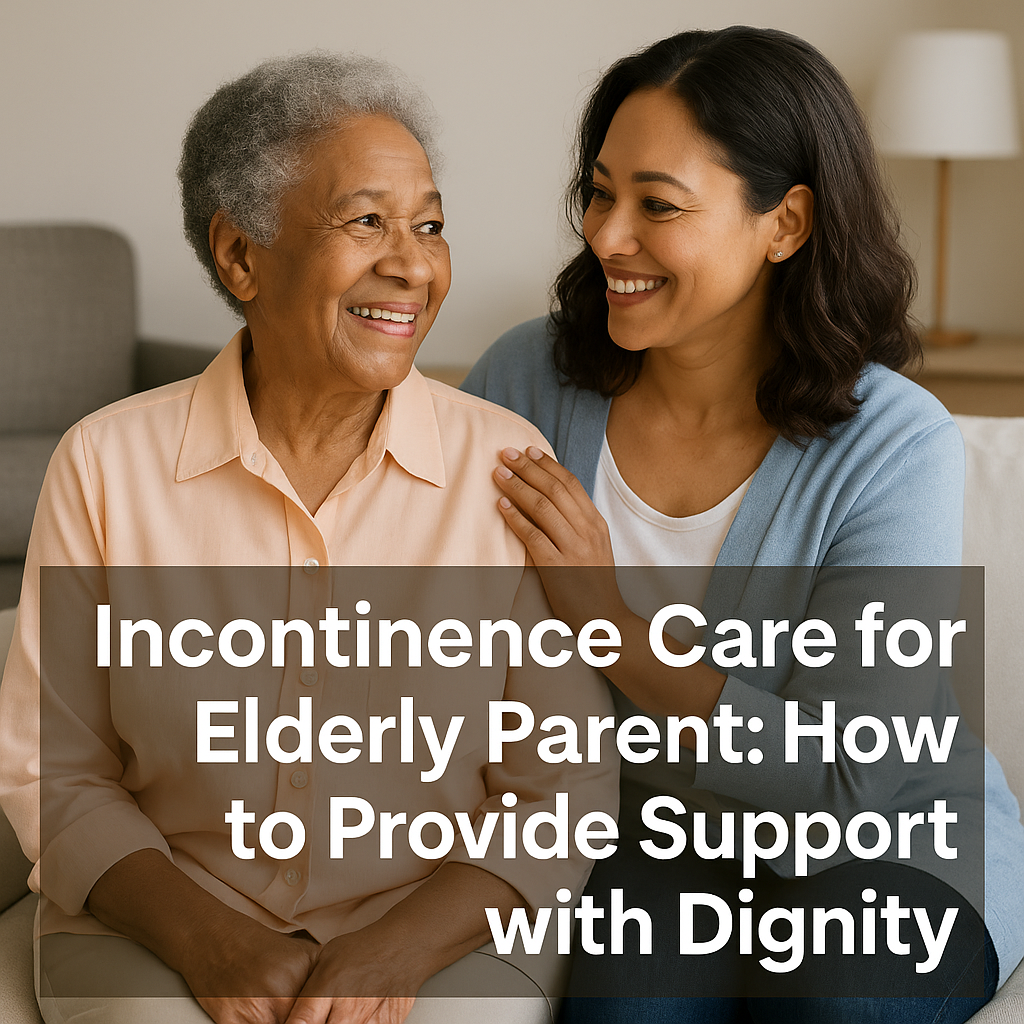
Providing incontinence care for an elderly parent in Raleigh can be challenging, emotional, and deeply personal. Whether your parent is facing age-related decline, dementia, or mobility limitations, managing incontinence is more than a physical task — it’s an opportunity to preserve dignity and provide compassionate care at home. In this guide, we’ll explore practical tips and resources to help you offer respectful incontinence care for your elderly parent while living in or around the Raleigh area.
🧠 What Is Incontinence in Older Adults?
Incontinence is the involuntary loss of bladder or bowel control. It’s a common condition among older adults and can result from age-related muscle weakening, medication side effects, dementia, or chronic illnesses such as diabetes or stroke.
📘 Want to learn more about senior health concerns? Visit our Senior Care Resources for expert information.
💬 Communicate Openly and Respectfully
When providing incontinence care for an elderly parent, the way you communicate matters just as much as the care itself. Speak gently and avoid using language that might cause shame or embarrassment. Instead of saying “diapers,” refer to them as “absorbent underwear” or “incontinence briefs.”
✅ Tip: Ask for your parent’s input. Empowering them to make decisions helps preserve their dignity.
⏱️ Establish a Routine for Bathroom Breaks
Scheduled toileting can significantly reduce accidents and increase comfort. Try prompting your parent to use the restroom every 2–3 hours, especially after meals and before bed. This proactive strategy is helpful for both cognitive and mobility-related incontinence.
📌 Related: How to Create a Daily Routine for Seniors
🛍️ Choose the Right Incontinence Products
The right products can promote both physical comfort and emotional well-being. Look for:
- Pull-on briefs for independence
- Odor-controlling materials
- High-absorbency for overnight use
Explore brands like Prevail or TENA that specialize in elder incontinence care.
🚪Prioritize Privacy and Independence
When assisting with personal care, always maintain privacy. Use a robe, towel, or blanket for coverage during changes, and close doors to create a comfortable environment. Encourage your parent to do as much as they can independently, even if it takes longer.
🧴 Prevent Skin Irritation
Proper hygiene is vital. Gently clean with hypoallergenic wipes or soap, and apply barrier creams to protect skin from breakdown. Be sure to use moisture-wicking materials to avoid infections.
🧠 Address Emotional and Psychological Well-Being
Incontinence can lead to isolation and depression. Stay alert for signs like:
- Refusal to socialize
- Sudden mood changes
- Withdrawal from activities they previously enjoyed
Sometimes talking to a mental health professional or joining a caregiver support group can help. You can find support through organizations like Family Caregiver Alliance.
🤝 Consider Professional Incontinence Care Support
If incontinence care becomes too much to manage alone, consider bringing in a professional caregiver. At Griswold Home Care, our trained care professionals understand how to manage these sensitive tasks while preserving your loved one’s comfort and dignity.
📞 Contact us today to learn more about in-home care services near you.
Final Thoughts: Incontinence Care with Compassion
Managing incontinence care for an elderly parent is about more than physical needs — it’s about love, patience, and preserving your parent’s dignity. With the right approach and support, you can make a difficult situation much more manageable for both of you.
Subscribe
Date: July 17, 2025