Signs of Caregiver Burnout in Pasco County: Warning Signs Family Caregivers Should Not Ignore
Category:

Caring for an aging parent, spouse, or loved one can be deeply meaningful — but it can also become emotionally, mentally, and physically exhausting over time.
Many family caregivers throughout Pasco County spend months or even years helping with:
- meals,
- transportation,
- medications,
- dementia care,
- bathing and dressing,
- doctor appointments,
- and emotional support.
Unfortunately, many caregivers become so focused on helping others that they fail to recognize when their own health and well-being are beginning to suffer.
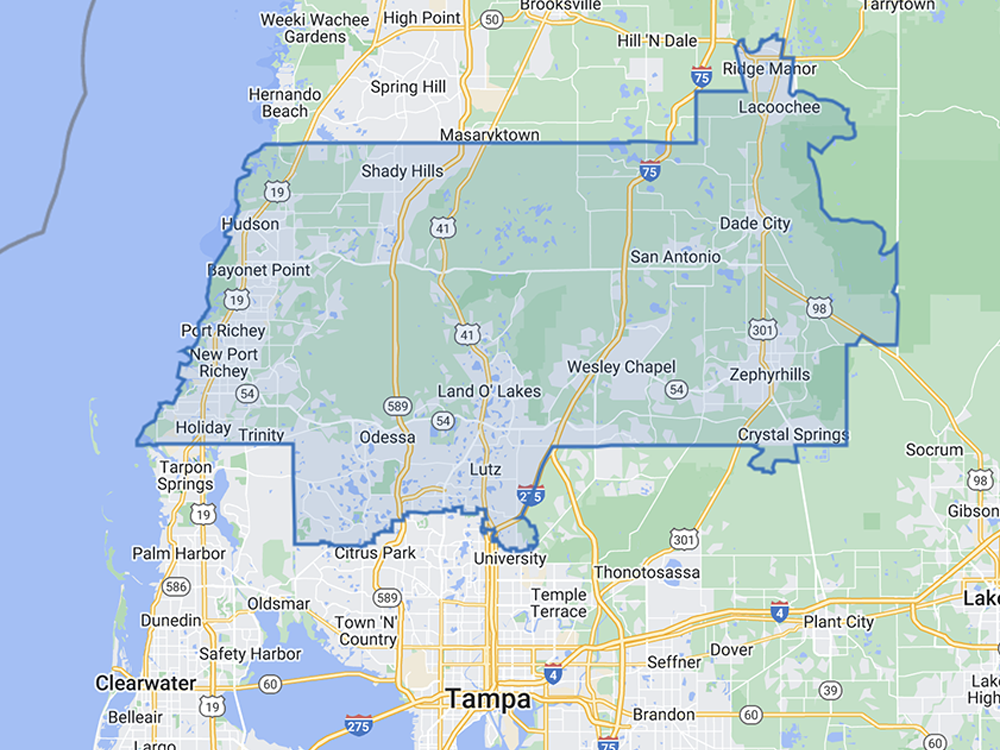
At Griswold Care Pairing for Pasco County, families in Wesley Chapel, Trinity, Land O’ Lakes, New Port Richey, and surrounding communities often reach out after caregiving responsibilities have started affecting daily life, stress levels, work, sleep, or family relationships.
What Is Caregiver Burnout?
Caregiver burnout is a state of emotional, mental, and physical exhaustion caused by the ongoing stress of caregiving.
Burnout often develops gradually. Many caregivers do not realize how overwhelmed they have become until stress begins affecting:
- sleep,
- mood,
- relationships,
- physical health,
- or the ability to cope with everyday responsibilities.
Caregiver burnout is especially common among those caring for loved ones with:
- Alzheimer’s disease,
- dementia,
- Parkinson’s disease,
- chronic illness,
- mobility limitations,
- or long-term medical conditions.
Common Signs of Caregiver Burnout
Recognizing caregiver stress early may help families seek support before burnout becomes severe.
Constant Exhaustion
Many caregivers feel tired occasionally, but ongoing exhaustion that does not improve with rest may be a warning sign.
Caregivers experiencing burnout often report:
- feeling drained every day,
- difficulty sleeping,
- waking up exhausted,
- or feeling physically run down.
Many adult children in Pasco County are balancing:
- work,
- caregiving,
- commuting,
- and raising families
while also trying to coordinate care for aging parents.
Increased Irritability or Frustration
Caregiving can become emotionally overwhelming, especially when caring for someone with dementia or memory loss.
Burnout may cause:
- impatience,
- frustration,
- emotional outbursts,
- anger,
- or feelings of resentment.
These feelings are far more common than many caregivers realize.
Anxiety, Isolation, or Depression
Caregivers often place their own emotional needs last.
Over time, chronic stress can contribute to:
- anxiety,
- sadness,
- emotional withdrawal,
- hopelessness,
- or feelings of isolation.
Many caregivers gradually stop:
- socializing,
- exercising,
- attending activities,
- or taking time for themselves.
Neglecting Personal Health
One major sign of caregiver burnout is when caregivers stop taking care of themselves.
This may include:
- skipping medical appointments,
- poor eating habits,
- lack of sleep,
- reduced exercise,
- increased alcohol use,
- or ignoring personal health concerns.
Many caregivers say:
“I just do not have time for myself anymore.”
Feeling Overwhelmed All the Time
Many caregivers describe feeling like they can never fully relax or “turn off” caregiving responsibilities.
Even when temporary help is available, caregivers may continue worrying constantly about:
- safety,
- medications,
- wandering,
- falls,
- future care needs,
- or emergencies.
Dementia Care Can Intensify Caregiver Stress
Caring for someone with dementia or Alzheimer’s disease often creates additional emotional and physical challenges.
Families may face:
- wandering,
- confusion,
- repetitive questions,
- agitation,
- sleep disruptions,
- and communication difficulties.
These situations can significantly increase caregiver fatigue and emotional stress over time.
As Pasco County continues to grow with retirees and aging-in-place communities, more local families are navigating dementia caregiving responsibilities for the first time.
What To Do If Caregiver Burnout Is Happening
The good news is that caregiver burnout can improve when caregivers receive support.
Accept Help
Many family caregivers try to handle everything alone.
Allowing trusted family members, friends, or professionals to help can reduce stress and create needed breathing room.
Consider Respite Care
Respite care gives caregivers temporary relief while ensuring a loved one continues receiving care and companionship.
Even a few hours of support each week may:
- reduce stress,
- improve flexibility,
- and help caregivers recharge emotionally and physically.
Join a Support Group
Support groups may help caregivers:
- share experiences,
- learn coping strategies,
- reduce isolation,
- and connect with others facing similar challenges.
Many dementia and Parkinson’s support groups are available throughout Pasco County and the greater Tampa Bay area.
Learn More About Dementia Caregiving
Education often helps caregivers better understand:
- behaviors,
- communication strategies,
- safety concerns,
- and ways to reduce stress.
Families may find resources like Dementia Clarity helpful for practical dementia caregiving education.
In-Home Care Can Help Reduce Caregiver Burnout
Many families wait too long before seeking support.
Non-medical home care may provide help with:
- companionship,
- supervision,
- meal preparation,
- personal care,
- respite care,
- transportation,
- and daily routines.
Having additional support at home may help reduce stress while allowing loved ones to remain safely and comfortably at home longer.
Supporting Families Throughout Pasco County
We proudly support families throughout:
- Wesley Chapel
- Trinity
- Land O’ Lakes
- New Port Richey
- Zephyrhills
- Odessa
- Lutz
- and surrounding Pasco County communities
At Griswold Care Pairing for Tampa & Pasco, we understand the emotional and physical challenges family caregivers face every day.
Helpful Resources for Families
Families may also find these resources helpful:
- When Is It Time to Consider Home Care?
- Dementia Care at Home in Tampa & Pasco County
- 5 Warning Signs a Senior May No Longer Be Safe Living Alone
Final Thoughts
Many caregivers spend so much time caring for others that they overlook their own well-being.
Recognizing caregiver burnout early and accepting support before exhaustion becomes severe may help both caregivers and loved ones experience a healthier, more sustainable caregiving journey.
Subscribe
Date: June 18, 2026
Category: