How Home Care Supports Families During Hospice in Pasco County
Category:
When a loved one enters hospice care, families often experience a mix of emotions — sadness, uncertainty, exhaustion, and sometimes relief that additional support is finally available.
Hospice provides essential medical oversight, comfort care, and emotional guidance during one of life’s most difficult transitions. However, many families throughout Pasco County quickly discover they still need help with the day-to-day realities of caring for someone at home.
That is where non-medical home care can provide meaningful support.
At Griswold Care Pairing for Pasco County, families in Wesley Chapel, Trinity, Land O’ Lakes, New Port Richey, Zephyrhills, and surrounding communities often seek additional in-home support during hospice so loved ones can remain safe, comfortable, and cared for at home.
Understanding the Difference Between Hospice and Home Care
One common misunderstanding is that hospice and home care are the same service.
They are actually different types of support that often work together.
Hospice Typically Provides:
- medical oversight,
- nursing visits,
- pain and symptom management,
- medication coordination,
- social work and spiritual support,
- and guidance for end-of-life care.
Non-Medical Home Care May Help With:
- personal care and bathing assistance,
- meal preparation,
- light housekeeping,
- mobility and transfer assistance,
- companionship,
- overnight supervision,
- respite care for family caregivers,
- and safety monitoring.
Hospice nurses may visit periodically throughout the week, but families are often responsible for much of the hands-on support between visits. Home care can help fill those gaps.
Helping Families Avoid Caregiver Burnout
Caring for a loved one during hospice can become emotionally and physically overwhelming very quickly.
Family caregivers are often:
- sleeping less,
- constantly “on alert,”
- helping with mobility,
- managing schedules,
- coordinating medications,
- and coping emotionally at the same time.
Many spouses and adult children throughout Pasco County are also balancing:
- work,
- commuting,
- family responsibilities,
- and caregiving all at once.
Even deeply devoted family members eventually need rest and support.
Home care caregivers may help by giving families time to:
- sleep,
- attend appointments,
- spend time with other family members,
- run errands,
- or simply take a short emotional break.
In many situations, this support helps families remain emotionally present instead of becoming completely exhausted by caregiving responsibilities.
Creating Comfort and Routine at Home
During hospice care, small comforts often matter tremendously.
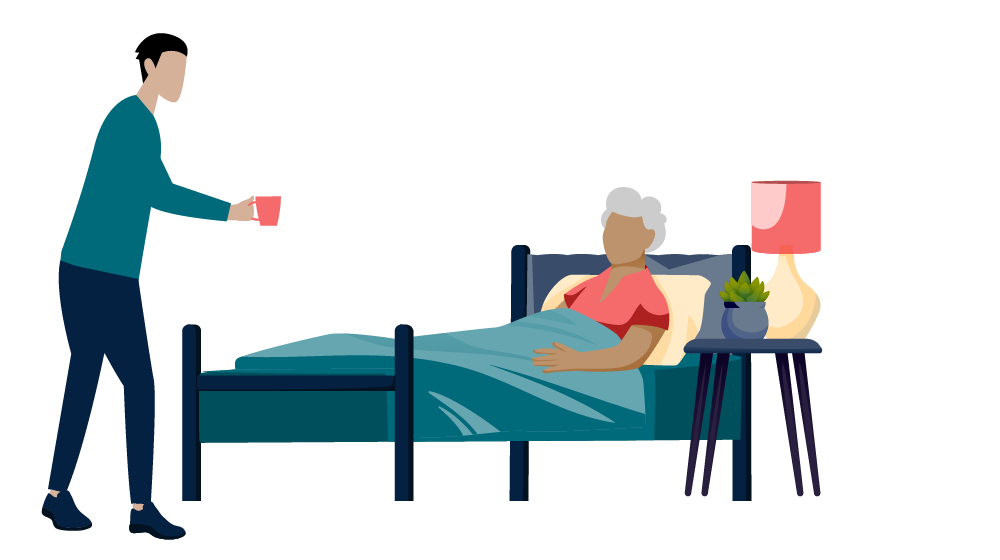
A familiar home environment, quiet companionship, favorite routines, and consistent support may help reduce stress for both the client and the family.
Home care caregivers often assist by:
- helping clients remain comfortable,
- preparing meals or snacks,
- maintaining a calm environment,
- assisting with hygiene and toileting,
- and providing companionship during difficult moments.
For many families, simply knowing someone trustworthy is there can bring tremendous peace of mind.
Supporting Family Members Emotionally
Hospice affects the entire family — not only the person receiving care.
Adult children, spouses, and relatives often feel pressure to “do everything themselves.” Many caregivers struggle with guilt when they begin feeling exhausted or overwhelmed.
Sometimes the greatest benefit of home care is allowing family members to spend more meaningful time together instead of focusing entirely on caregiving tasks.
Additional support may give families more opportunities to:
- sit together,
- share memories,
- talk,
- pray,
- rest,
- or simply be present with their loved one.
Overnight and Around-the-Clock Support
One of the most difficult parts of hospice care for families is nighttime support.
Sleep disruptions, confusion, wandering, bathroom assistance, and medication schedules can quickly leave caregivers exhausted.
Home care may help through:
- overnight assistance,
- extended daytime support,
- or around-the-clock care schedules when needed.
This added support can help families maintain greater stability during rapidly changing situations.
Helping Loved Ones Remain at Home Longer
Many families strongly prefer for their loved one to remain at home during hospice whenever possible.
However, without enough support, caregiving responsibilities can sometimes become too difficult for one spouse or adult child to manage alone.
Home care can provide the practical assistance that helps remaining at home feel more realistic and sustainable.
For many Pasco County families, this support becomes invaluable during a deeply emotional season of life.
Supporting Families Throughout Pasco County
We proudly support families throughout:
- Wesley Chapel
- Trinity
- Land O’ Lakes
- New Port Richey
- Zephyrhills
- Odessa
- Lutz
- and surrounding Pasco County communities
As Pasco County continues to grow with retirees and aging-in-place communities, more families are seeking ways to help loved ones remain comfortable at home during hospice care.
Helpful Resources for Families
Families may also find these resources helpful:
- How a Few Hours of Help Can Change Everything
- Signs of Caregiver Burnout
- Frequently Asked Questions About Home Care vs Home Health
- You’ve Had Help — Now What? Next Steps After Respite Care
Final Thoughts
Hospice care is about far more than medical support alone.
Families often need additional help, companionship, encouragement, and respite during this difficult time. Early support can help reduce caregiver exhaustion while allowing loved ones to remain comfortable and cared for at home.
Subscribe
Date: July 23, 2026
Category: