Fall Risk and Staying Independent at Home in Pasco County: What Families Should Know
Category:
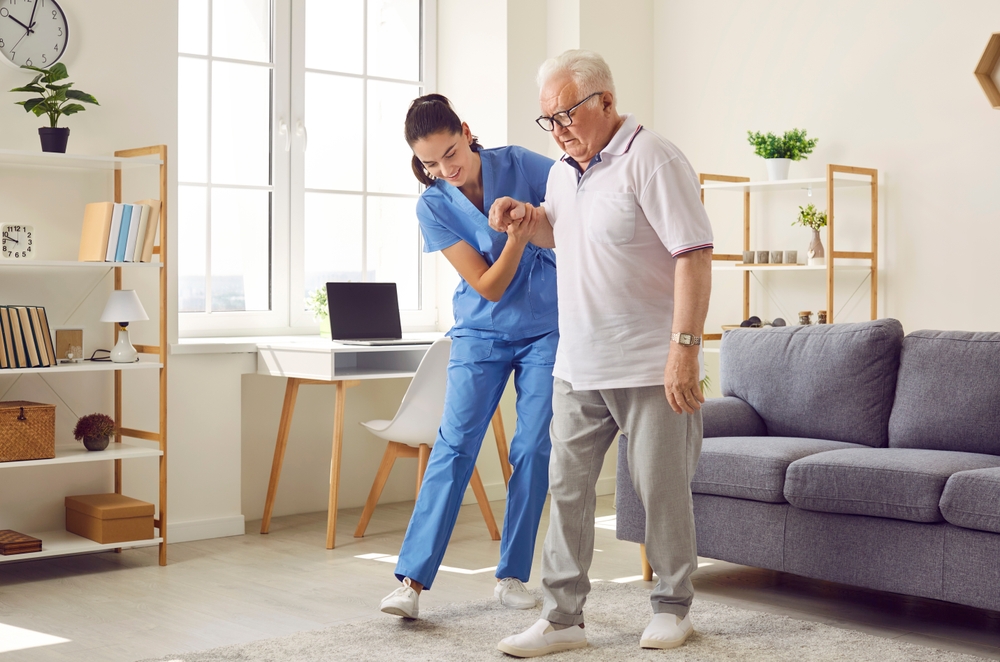
For many older adults in Pasco County, the goal is simple: stay at home and remain as independent as possible.
But independence isn’t determined only by age or whether someone has experienced a fall. Changes in strength, mobility, balance and the ability to perform everyday activities can happen gradually—and families may not recognize them until something goes wrong.
That’s why it can be helpful to look at fall risk before a fall happens.
Fall Risk Isn’t Just About Rugs and Clutter
When families think about preventing falls, they often start with the home: remove loose rugs, improve lighting, install grab bars and clear walkways.
Those are important steps. But the environment is only part of the picture.
A person’s strength and mobility also affect how safely they function at home.
Think about everyday activities such as:
- Getting up from a chair without struggling
- Walking across a room safely
- Getting in and out of bed
- Stepping into and out of a shower
- Getting to the bathroom quickly enough
- Navigating steps or uneven surfaces
- Carrying something while walking
Small changes in these abilities can sometimes be early signs that remaining independent is becoming more difficult.
Watch for Changes, Not Just Falls
A person doesn’t have to fall for a family to have concerns.
You may notice Mom using the furniture for support as she walks through the house. Dad may need several attempts to stand up from his favorite chair. Someone who used to walk through the grocery store may increasingly want to remain in the car.
Other changes can be subtle.
Maybe your parent has stopped going upstairs. Perhaps they’re avoiding the shower because getting in and out feels difficult. Or they may simply be moving much more slowly than they did six months ago.
None of these observations by themselves necessarily mean someone can no longer live safely at home. But they are worth paying attention to.
Strength and Mobility Matter to Independence
Strength is involved in many of the things we do every day.
Standing from a chair requires lower-body strength. Walking safely requires mobility and coordination. Moving around the home requires the ability to change direction, navigate obstacles and maintain stability.
That’s why looking at how someone functions can provide useful information when families are trying to determine what support may be needed.
It can also help move the family conversation away from:
“Mom, I don’t think you should be living alone anymore.”
and toward:
“Let’s see how you’re doing and whether there are things we can do to make staying home safer.”
That’s a very different conversation.
Take a Look at the Home, Too
The person and the environment work together.
Families should periodically walk through the home with safety in mind. Look for things such as poor lighting, cluttered pathways, loose rugs, difficult stairs, bathrooms without appropriate support and frequently used items stored where they are difficult to reach.
Also think about how the person actually uses the home.
A staircase that was never a problem may become one if someone’s mobility changes. A low sofa may suddenly be difficult to get out of. A bathroom may have worked perfectly well for 20 years but become challenging when balance or strength declines.
The question isn’t simply, “Is this a safe house?”
It’s “Is this home still working safely for this particular person?”
What Happens When You Identify a Concern?
Finding a potential risk doesn’t automatically mean someone needs extensive home care—or needs to move.
The appropriate next step depends upon the concern.
A family may want to discuss changes in strength, balance or mobility with the person’s physician or another appropriate healthcare professional. Changes to the home environment may help. Some families may benefit from community resources, physical or occupational therapy when appropriate, technology or additional support at home.
And sometimes, a few hours of assistance can make certain parts of the day easier and safer.
The goal should be to identify the problem first and then determine the appropriate response.
A New Resource for Pasco County Families
Griswold Care Pairing Tampa/Pasco is expanding our focus on helping families look at strength, mobility, fall risk and the home environment before a crisis occurs.
Our goal isn’t to diagnose a medical condition or replace a physician, physical therapist or other healthcare professional.
Instead, we want to give families additional objective information they can use when asking an important question:
“How is Mom or Dad really doing at home?”
Sometimes the answer may point toward additional professional evaluation. Sometimes it may identify changes that can be made around the home. And sometimes it may help a family recognize that a little additional support could make remaining at home easier.
Start Before a Crisis
Families don’t have to wait for a hospitalization, serious fall or other emergency to begin thinking about safety.
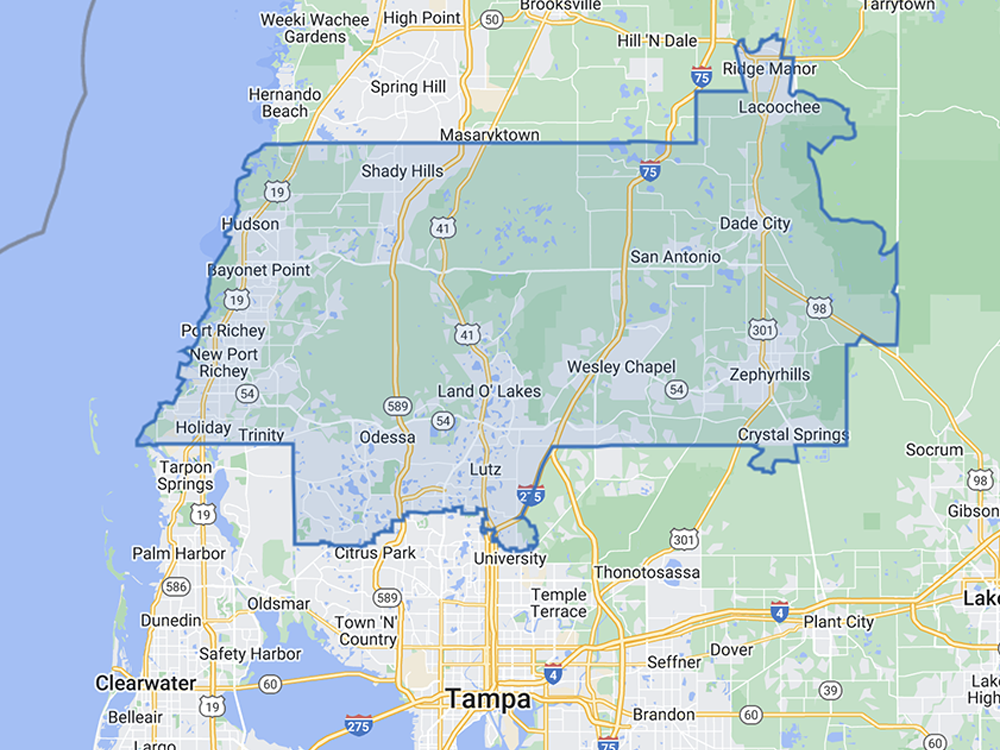
If you’ve noticed changes in how an older family member in Wesley Chapel, Land O’ Lakes, Trinity, New Port Richey or elsewhere in Pasco County is moving or managing everyday activities, it may be a good time to take a closer look.
The goal isn’t to take independence away.
It’s to help preserve it for as long as possible.
Concerned about how safely a loved one is managing at home?
Griswold Care Pairing Tampa/Pasco helps families explore options for remaining safe and independent at home. We can also provide information about our developing strength, mobility and fall-risk resources for Pasco County families.
Contact Griswold Care Pairing Tampa/Pasco to learn more.
Subscribe
Date: September 24, 2026
Category: