Is It Safe to Stay at Home? What Pasco County Families Should Consider Before Making a Move
Category:
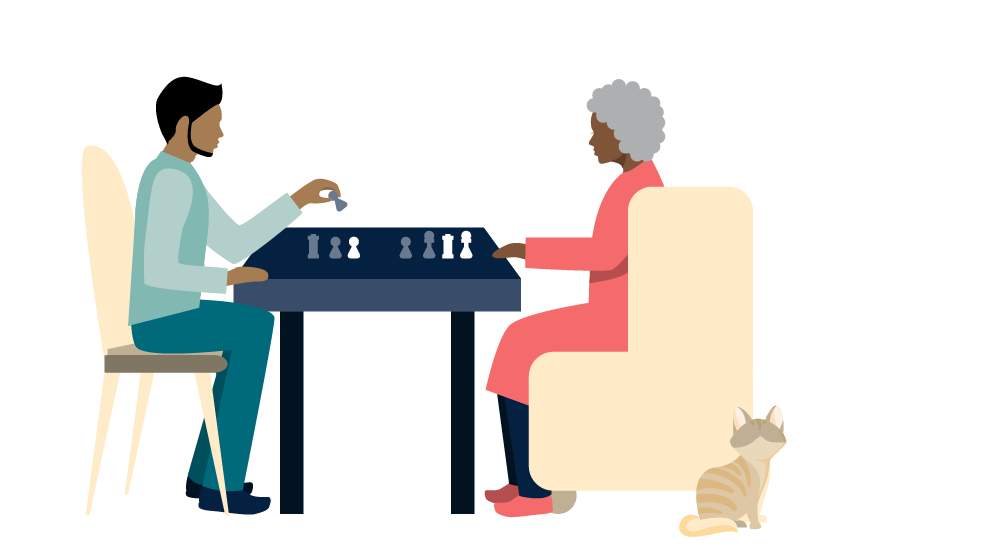
For many older adults, staying at home means maintaining independence, familiar surroundings, and the comfort of a lifetime of memories. It’s no surprise that most seniors hope to remain in their own homes for as long as possible.
For families across Pasco County, however, determining whether a loved one can continue living safely at home is often one of the most difficult decisions they’ll ever face.
The question isn’t simply, “Does Dad want to stay home?” The more important question is:
“Can he continue living safely at home?”
Too often, families don’t begin asking that question until after a fall, emergency room visit, or hospitalization forces decisions to be made quickly.
Fortunately, many seniors can continue living safely at home with the right planning, resources, and support. The key is recognizing potential concerns before they become emergencies.
1. Is Balance or Mobility Beginning to Change?
Falls remain one of the leading reasons older adults lose their independence.
While throw rugs and poor lighting can certainly contribute, many falls occur because of gradual changes in strength, balance, flexibility, and mobility.
Consider these questions:
- Has your loved one fallen within the past year?
- Do they seem less steady when walking?
- Are they using walls or furniture for balance?
- Is standing from a chair becoming more difficult?
- Have they stopped participating in favorite activities because they’re afraid of falling?
These gradual changes often go unnoticed until they begin affecting daily life.
2. Are Everyday Tasks Becoming More Difficult?
Living independently requires safely managing dozens of daily activities.
Ask yourself whether your loved one is still able to:
- Bathe safely
- Dress without assistance
- Prepare balanced meals
- Keep the home clean
- Shop for groceries
- Take medications correctly
- Keep medical appointments
- Drive safely or arrange transportation
Needing assistance with a few activities doesn’t necessarily mean it’s time to leave home. Often, a modest amount of support can help someone remain independent for years.
3. Are You Seeing Changes in Memory or Judgment?
Some forgetfulness is a normal part of aging. More significant changes deserve closer attention.
Watch for:
- Missed medications
- Unpaid bills
- Repeated questions
- Confusion with appointments
- Leaving appliances on
- Getting lost while driving
- Poor judgment in everyday decisions
Identifying these changes early gives families more time to evaluate options and plan together.
4. Does the Home Still Support Safe Living?
Homes that worked perfectly twenty years ago may become more challenging over time.
Look for:
- Poor lighting
- Loose rugs
- Cluttered pathways
- Bathrooms without grab bars
- Stairs with inadequate railings
- High shelves
- Uneven sidewalks or entrances
Simple improvements often make a significant difference in reducing fall risk.
5. Is Loneliness Becoming a Problem?
Living alone can gradually lead to isolation.
Ask yourself:
- How often does someone visit?
- Are they remaining socially active?
- Are they eating well?
- Do they still enjoy hobbies?
- Is someone checking in regularly?
Companionship and meaningful social interaction can improve both emotional and physical well-being.
6. How Is the Family Caregiver Managing?
Many family caregivers quietly carry an enormous responsibility.
Balancing work, children, personal responsibilities, and caregiving can become overwhelming.
Ask yourself:
- Are you constantly worried?
- Is caregiving affecting your own health?
- Are you exhausted?
- Has caregiving become more than one person can reasonably manage?
Seeking help isn’t giving up—it’s creating a sustainable plan for everyone involved.
There Are More Options Than Many Families Realize
Many families assume they have only two choices:
- Continue struggling at home, or
- Move into assisted living.
In reality, many other resources can help older adults remain safely at home, including:
- Home modifications
- Transportation assistance
- Adult day programs
- Personal emergency response systems
- Aging Life Care professionals
- Private-duty home care
- Family caregiver respite
- Assisted living when appropriate
The best solution is the one that matches your loved one’s goals, health, and support system.
Planning Ahead Creates Better Choices
Families who begin planning before a crisis usually have more options and less stress.
Discussing safety early allows older adults to participate in decisions about their future while preserving their independence and dignity.
Helping Pasco County Families Navigate Aging at Home
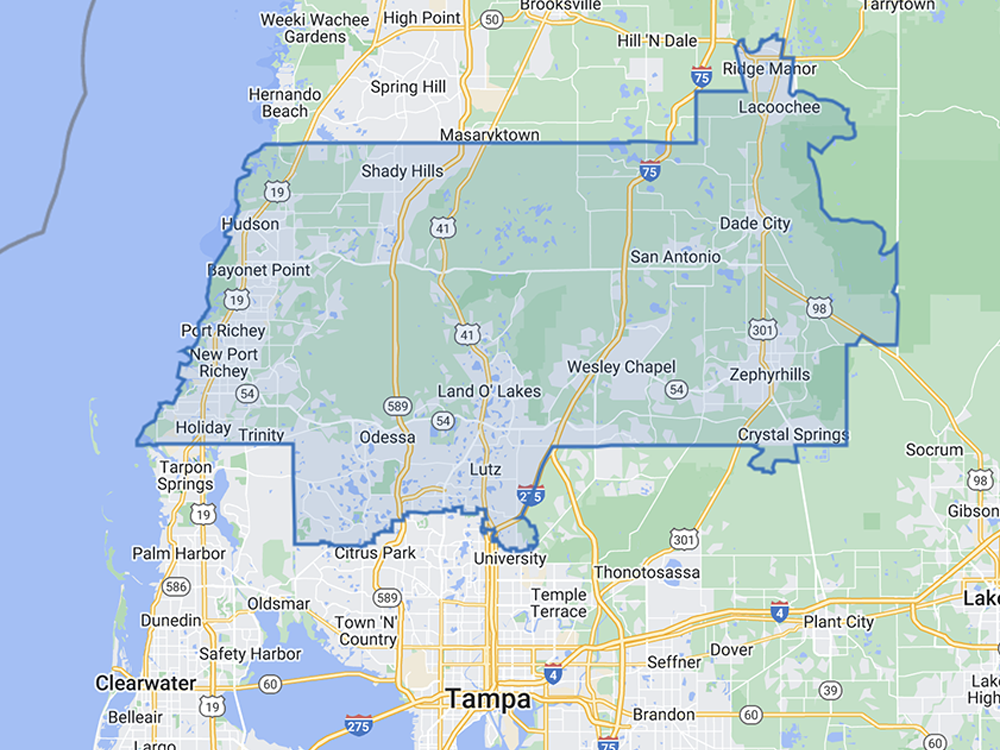
For more than 18 years, Griswold Care Pairing has helped families throughout Wesley Chapel, Land O’ Lakes, Trinity, Odessa, New Port Richey, Holiday, Hudson, Zephyrhills, Dade City, and surrounding Pasco County communities explore options for aging safely at home.
Sometimes that means a few hours of companionship each week. Sometimes it’s personal care after a hospitalization. Sometimes it’s respite care that gives a spouse or adult child the opportunity to recharge. Every family’s journey is different, and every care plan should reflect those unique needs.
Later this year, we’ll introduce a new strength and fall-risk screening resource that will provide families with objective information about mobility and functional safety. We believe informed decisions made early often help families avoid unnecessary crises later.
If you’re beginning to question whether a parent or loved one can continue living safely at home, we’re here to answer your questions, discuss available resources, and help you understand your options—without pressure and without obligation.
Related Articles You May Find Helpful
- Home Care vs. Home Health Care: Understanding the Difference
- Support for Family Caregivers
- Choosing the Right Home Care Provider
- Dementia Care Resources
- Planning for Life After a Hospital Stay
Subscribe
Date: August 7, 2026
Category: