Helping Aging Parents Maintain Their Daily Routines During Holiday Visits
Category:
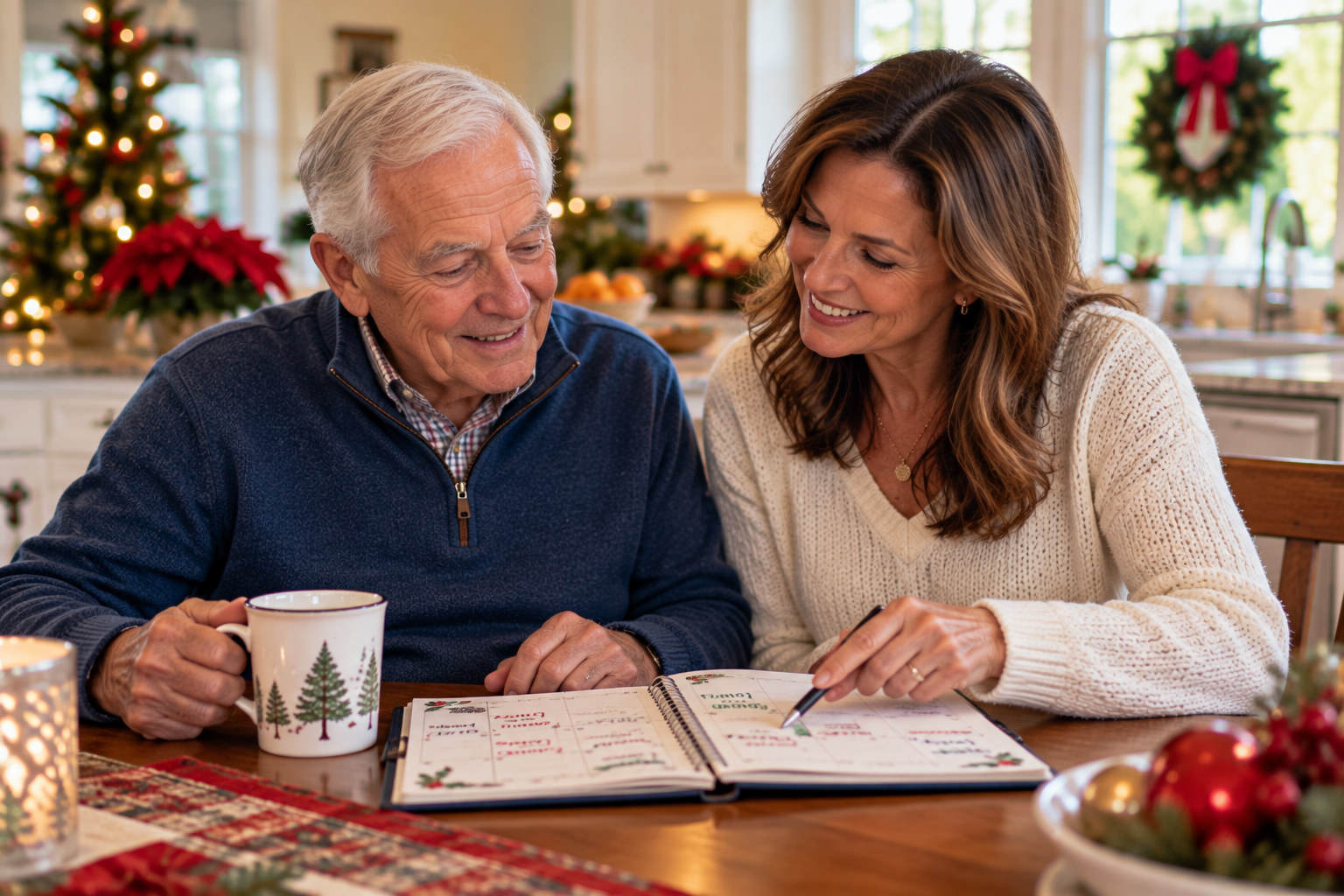
The holidays bring welcome changes to our everyday lives. Families gather, grandchildren visit, meals become celebrations, and familiar homes fill with activity.
But for older adults who have established comfortable daily routines, even enjoyable changes can sometimes create unexpected challenges.
A parent who normally enjoys a quiet breakfast may suddenly have a house full of visitors. Regular afternoon rest periods disappear as family activities take over. Meals are served at different times, and familiar household arrangements are changed to accommodate guests.
For families visiting aging parents in Pasco County during the holidays, a little thoughtfulness can help preserve the routines that make everyday life comfortable while still enjoying time together.
Why Daily Routines Become Increasingly Important
As people age, familiar routines often help them manage their energy, maintain independence, and navigate everyday activities.
For someone living with arthritis, mobility limitations, chronic health conditions, or memory changes, a predictable schedule may be particularly helpful.
Consider the older adult who normally takes a short walk after breakfast, rests in the afternoon, and enjoys dinner at six.
These routines may seem unremarkable to visiting family members. But they can provide a sense of comfort and control.
When holiday activities interrupt them, the result may be fatigue, frustration, or difficulty managing everyday tasks.
The goal isn’t to prevent change. It’s to recognize which routines matter most.
Remember That You’re Visiting Their Home
Adult children often arrive for the holidays eager to help.
They may rearrange furniture to create more seating, reorganize the kitchen, or decide to prepare elaborate meals.
While these gestures are usually well-intentioned, they can sometimes make everyday activities more difficult for an aging parent.
Someone who has lived in the same home for years may rely on knowing exactly where furniture, dishes, and frequently used items are located.
Moving things around can create confusion or even introduce fall hazards.
Before making changes, ask whether they’re wanted.
Sometimes the most helpful thing a visitor can do is respect the way a parent has organized their daily life.
Five Ways to Preserve Routines During Holiday Visits
1. Plan Family Activities Around Important Daily Needs
Ask your parent about their normal schedule before making holiday plans.
What time do they usually eat? Do they rest in the afternoon? Are there appointments or activities they prefer not to miss?
Whenever possible, arrange celebrations around these routines rather than expecting your parent to adjust to everyone else’s plans.
This can be especially important for people managing medications, diabetes, or other health conditions.
2. Allow Time for Rest
Holiday gatherings can be tiring, even for older adults who are otherwise active and independent.
Long conversations, shopping trips, family meals, and visits from grandchildren can add up to a demanding day.
Build quiet periods into the schedule.
A parent who enjoys spending time with family may still appreciate an hour alone in the afternoon.
Don’t interpret a desire to rest as a lack of interest in being together.
3. Keep the Home Familiar and Safe
Holiday decorations, extra chairs, electrical cords, and gifts left on the floor can make familiar spaces harder to navigate.
For older adults who use walkers, canes, or other mobility aids, these changes can be particularly challenging.
Keep walkways clear, avoid moving essential furniture unnecessarily, and make sure frequently used areas remain well-lit.
Ask whether your parent has experienced any recent falls or difficulty moving around the home.
If mobility has changed, consider discussing those concerns with a healthcare professional.
4. Offer Assistance Without Taking Over
It’s natural to want to make life easier for an aging parent.
But doing everything for someone who is accustomed to managing independently can unintentionally undermine their confidence.
Instead of taking over, offer choices.
For example:
“Would you like me to prepare dinner tonight, or would you rather we cook together?”
Or:
“Would it help if I picked up groceries while I’m here?”
Respecting preferences allows older adults to remain involved in decisions about their daily lives.
5. Pay Attention to Changes You May Not Have Noticed Before
Holiday visits provide an opportunity to see how a parent manages everyday activities.
You may notice that getting dressed takes longer, preparing meals has become more difficult, or household chores are being neglected.
Perhaps your parent seems unusually tired or is having trouble moving around safely.
One difficult day doesn’t necessarily indicate a serious problem.
But changes from previous visits may be worth discussing, particularly if they affect independence or safety.
New or significant changes in physical or cognitive functioning should be evaluated by an appropriate healthcare professional.
When Visiting Family Members Leave
One of the challenges of holiday visits is that family members often provide extra help while they’re in town.
They prepare meals, run errands, clean the house, and assist with everyday tasks.
But what happens when everyone returns home?
If a parent has begun relying on this assistance, the end of the holiday visit may leave important needs unmet.
Before leaving, consider whether your loved one is comfortably managing daily activities on their own.
Ask about grocery shopping, meal preparation, bathing, dressing, mobility, and transportation.
For some families, occasional assistance may be enough. Others may benefit from more consistent support.
How In-Home Care Can Help Maintain Familiar Routines
Many older adults want to continue living in their own homes, surrounded by familiar belongings and daily traditions.
When everyday activities become more challenging, nonmedical caregiver assistance may help support that goal.
Depending on individual needs, caregivers may assist with companionship, personal care, meal preparation, light household activities, and daily routines.
For family members who live outside Pasco County, knowing that someone can provide assistance at home may also offer reassurance.
The objective isn’t to change everything about an older adult’s life.
It’s to provide appropriate support while preserving as much independence and familiarity as possible.
Helping Pasco County Seniors Remain Comfortable at Home
At Griswold Care Pairing for Pasco County, we understand how important familiar routines are to older adults who wish to remain independent at home.
We help families in Wesley Chapel, Land O’ Lakes, Trinity, New Port Richey, and surrounding Pasco County communities connect with caregivers who can provide companionship, personal care, assistance with daily activities, and respite support.
Whether your family needs occasional help during the holidays or is exploring more regular assistance, our local team can help you understand the available options.
If you’re visiting an aging parent in Pasco County this holiday season and wondering whether some additional help at home would be beneficial, contact Griswold Care Pairing. We’re happy to discuss your concerns and help you explore the next steps.
Subscribe
Date: October 27, 2026
Category: