How Routine Helps Seniors in Norwalk Feel Safer, Calmer, and More Connected
Category:
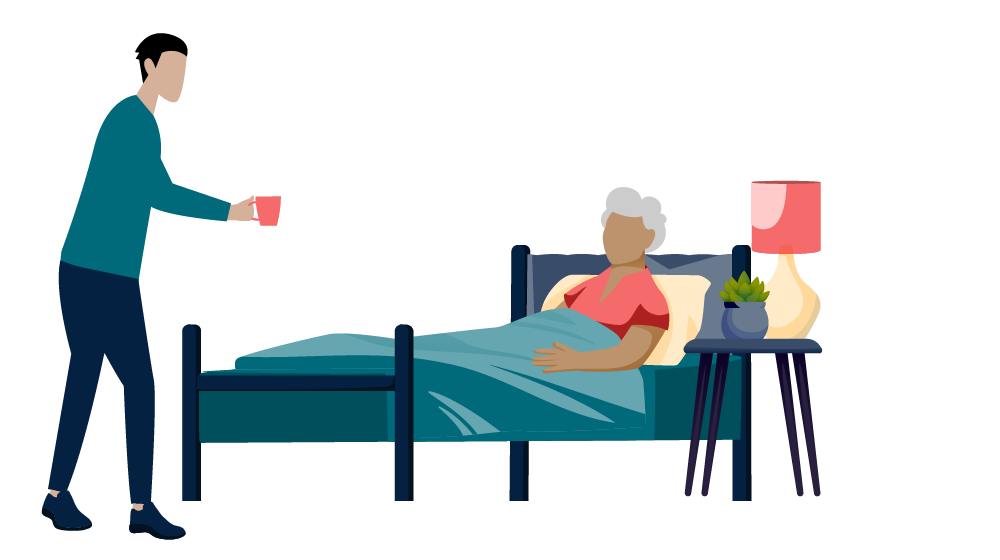
Aging often brings changes that can affect emotional well-being. Health needs may shift. Mobility may become more limited. Social circles may change. Daily tasks that once felt simple may begin to feel uncertain or stressful.
For seniors in Norwalk, CT, one of the most effective ways to support emotional stability is through a consistent routine. Routine creates predictability, comfort, and a greater sense of control—especially for older adults who want to continue living safely at home.
At Griswold Home Care, we know that dependable daily structure can make a meaningful difference for seniors and their families.
Why Routine Is So Important for Older Adults
A routine helps seniors know what to expect. This predictability can reduce anxiety and make each day feel more manageable.
Daily structure may be especially helpful for seniors experiencing:
- Memory changes
- Dementia or Alzheimer’s disease
- Chronic illness
- Reduced independence
- Loneliness
- Recent loss or major life transitions
Something as simple as having meals, personal care, rest, and companionship at regular times can provide emotional security.
Emotional Benefits of Routine
1. Routine Reduces Anxiety
Uncertainty can be stressful at any age, but it may feel especially difficult for seniors managing health or memory changes. A consistent routine helps reduce confusion and allows seniors to move through the day with greater confidence.
2. Routine Creates Purpose
A meaningful day does not have to be complicated. Morning coffee, a walk around the neighborhood, a favorite radio program, or time spent with a caregiver can all become positive points of connection.
These moments help seniors feel engaged, valued, and purposeful.
3. Routine Supports Memory and Orientation
Repeating familiar activities at the same time each day can help reinforce memory cues. For seniors with cognitive challenges, routine may help reduce agitation and support a calmer environment.
4. Routine Encourages Better Mood
Consistent sleep, balanced meals, personal care, and social interaction can help regulate mood. Seniors who feel supported throughout the day may feel less isolated and more emotionally balanced.
The Role of Non-Medical Home Care
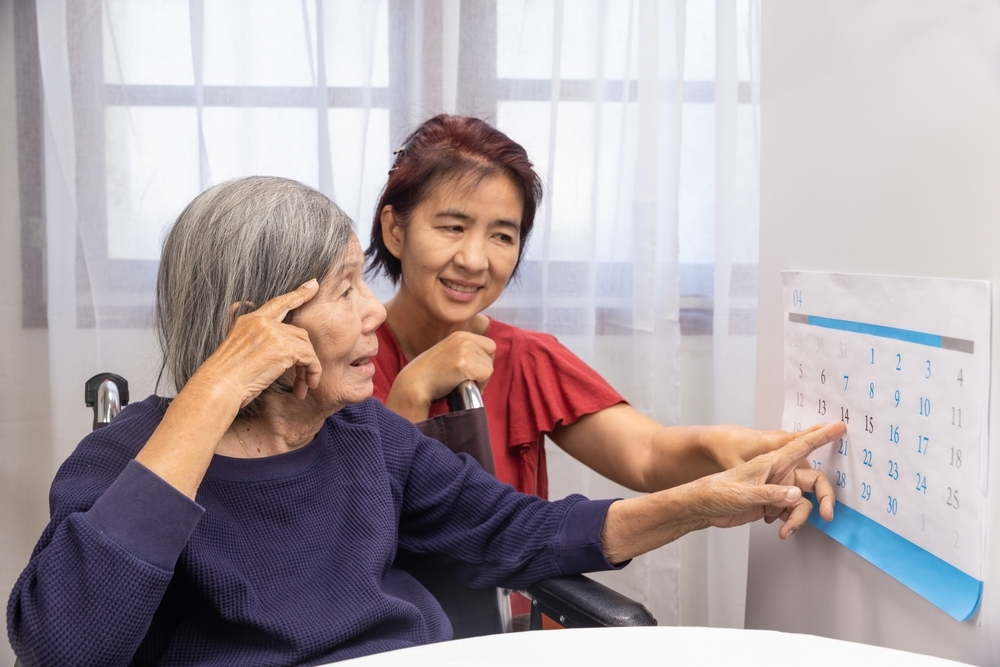
Non-medical home care can help seniors maintain a routine while remaining in the place they know best: home.
Griswold caregivers can assist with:
- Morning and evening care
- Meal preparation
- Medication reminders
- Light exercise and mobility support
- Companionship
- Light housekeeping
- Activities that match personal interests
Every care routine is personalized. We work to understand what makes each senior feel comfortable, respected, and independent.
Keeping Routine Flexible
Routine should never feel like a rigid schedule. The goal is to create dependable structure while still leaving room for choice and spontaneity.
A balanced routine allows seniors to enjoy family visits, community events, hobbies, appointments, and quiet moments at home. Structure works best when it supports independence rather than limiting it.
How Norwalk Families Benefit
Families often feel more at ease when they know their loved one’s day has a supportive rhythm. A consistent routine can reduce stress for family caregivers and help everyone feel more confident about care at home.
Families may see improvements in:
- Mood
- Communication
- Sleep
- Participation in daily tasks
- Overall emotional well-being
Supporting Seniors at Home in Norwalk
Emotional stability is essential to aging well. Routine is a simple but powerful way to help seniors feel secure, connected, and supported.
If you are considering home care in Norwalk, Westport, Fairfield, Stamford, New Canaan and surrounding towns, Griswold can help your loved one build a daily routine that promotes comfort, confidence, and quality of life.
Subscribe
Date: May 12, 2026
Category: