When Grief Comes Later in Life: The Comfort of Compassionate Home Care
Category:
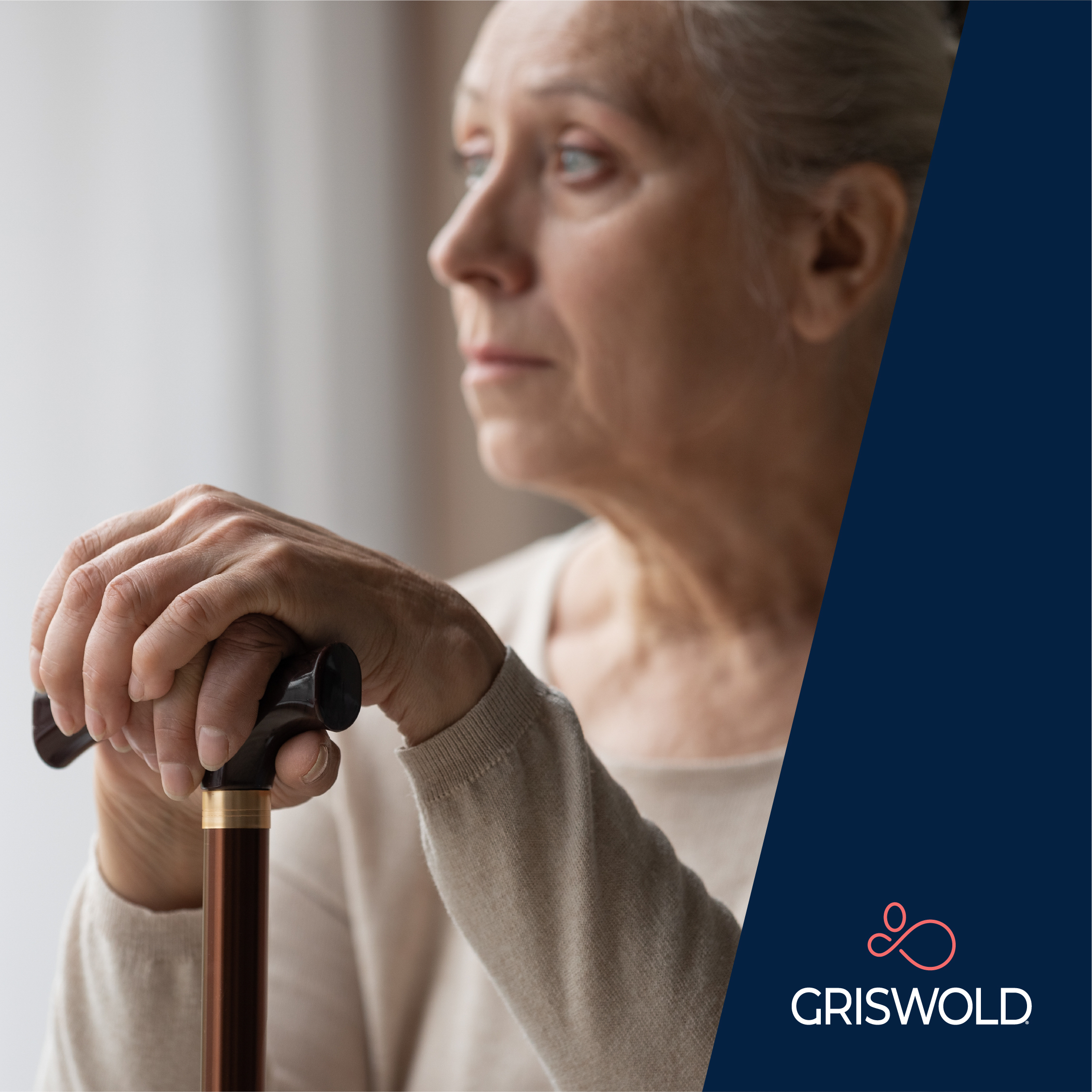
Grief can arrive quietly. It may show up in an empty chair at the kitchen table, a silent phone that used to ring every evening, or a daily routine that no longer feels the same. For older adults, grief often becomes part of many life changes happening at once.
A senior may be mourning the loss of a spouse, saying goodbye to longtime friends, adjusting to changes in health, or letting go of a home filled with memories. These losses can be deeply personal and difficult to explain.
At Griswold Home Care, we understand that caring for someone means supporting the whole person—not just their daily needs, but their emotional well-being, too.
Grief Can Become More Complicated with Age
As people grow older, loss may become more frequent. The death of a loved one may be accompanied by other changes, such as reduced independence, retirement, or a smaller social circle. Each loss can bring its own sadness.
For seniors, grief may be connected to:
- A spouse, partner, or friend who has passed away
- A home or neighborhood they had to leave
- A role or routine that once gave life structure
- Physical abilities that have changed
- Fewer opportunities for social connection
These changes can leave older adults feeling unsteady, lonely, or unsure of what comes next.
Grief Is Not Always Spoken Out Loud
Many older adults were raised to be private about emotional pain. They may not say, “I am grieving,” even when they are struggling. Instead, grief may appear in subtle ways.
You might notice that a loved one:
- Stops calling friends
- Loses interest in meals or hobbies
- Seems tired more often
- Becomes easily frustrated
- Has trouble keeping up with household tasks
- Spends more time alone
These changes can be signs that grief is affecting daily life.
The Healing Power of Presence
No one can take grief away. But having someone nearby can make the burden feel less lonely. A compassionate caregiver can offer the gift of presence—listening to stories, sharing quiet moments, helping with daily routines, or simply being there.
For many seniors, this consistent companionship brings comfort. It can help restore a sense of rhythm to the day and remind them that they are not alone.
How Griswold Home Care Can Help

Griswold Home Care provides non-medical home care designed to support seniors with dignity and compassion. During periods of grief, caregivers can help with both emotional and practical needs.
Support may include:
- Companionship and conversation
- Meal preparation and light housekeeping
- Help with errands and transportation
- Encouragement to maintain daily routines
- Support with meaningful activities
- A caring presence during difficult days
This type of care allows older adults to remain in familiar surroundings while receiving dependable support.
Grieving with Dignity and Support
Grief does not follow a schedule. Some days may bring peace, while others may bring unexpected sadness. What matters most is that seniors feel respected, understood, and supported through each step.
At Griswold Home Care, we are honored to provide compassionate non-medical care that helps older adults feel seen and cared for during times of loss.
If you or someone you love is facing grief, Griswold Home Care is here to provide companionship, comfort, and dependable support at home.
Subscribe
Date: June 11, 2026
Category: