Fall Prevention for Seniors: Simple Steps to a Safer Home
Category:
Falls are one of the leading causes of injury and hospitalization among older adults—but the good news is that most falls are preventable. By making thoughtful, practical adjustments around the home, families can help their loved ones stay safe, confident, and independent.
This guide offers a room-by-room checklist of easy changes you can implement right away to reduce fall risks.
Start with the Basics: A Clear, Clutter-Free Home
Before focusing on individual rooms, take a look at the home as a whole. The goal is wide, unobstructed walkways free of tripping hazards.
- Clear pathways: Remove stacks of magazines, boxes, or small furniture that block walking areas.
- Tidy cords: Use cord covers or secure loose cords along walls—never under rugs.
- Rugs: Throw rugs are a common cause of falls. Remove them if possible, or secure them with non-slip backing or double-sided tape.
Bathroom Safety: A Top Priority
Bathrooms are one of the most common places for falls due to slippery surfaces and tight spaces. A few smart upgrades can make a big difference:
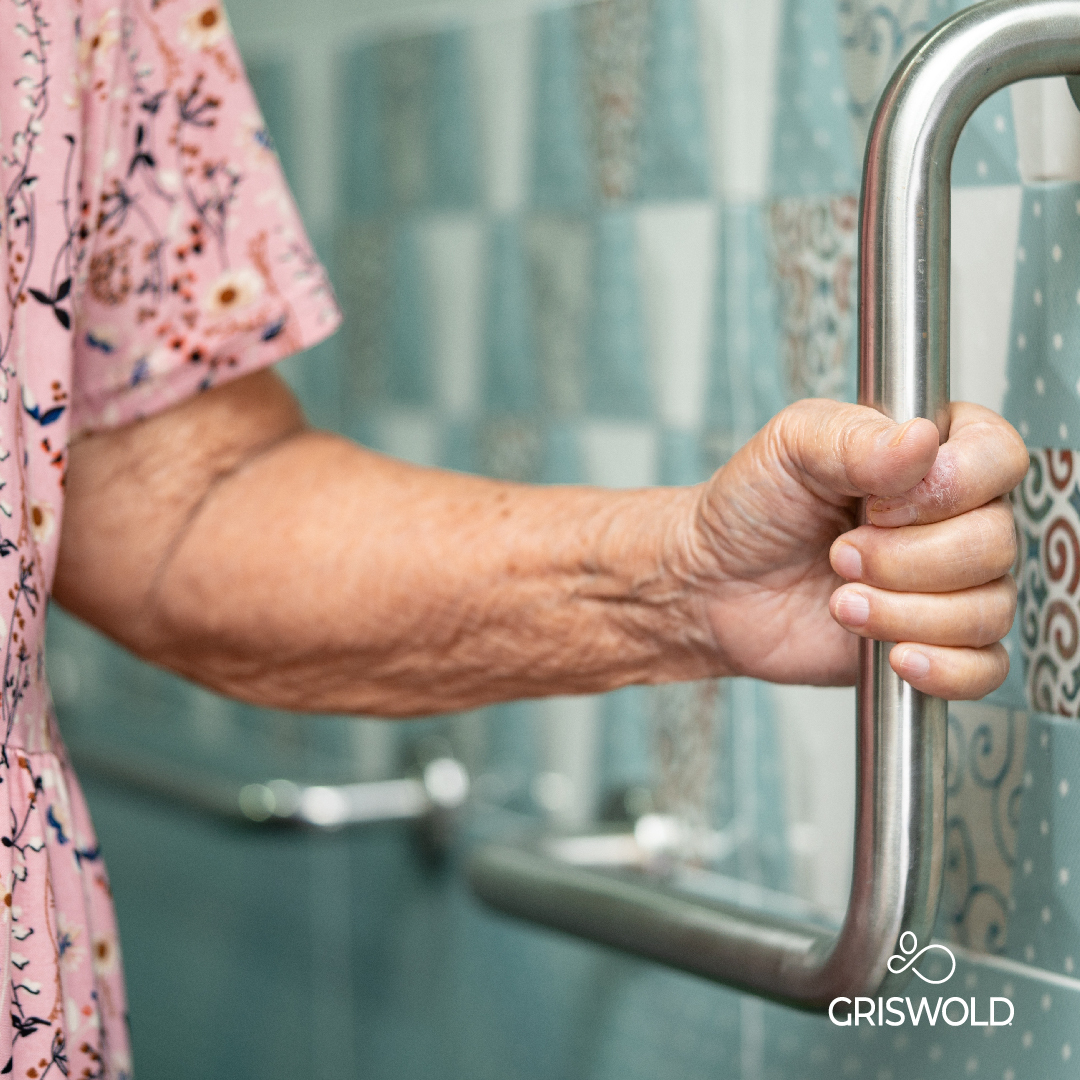
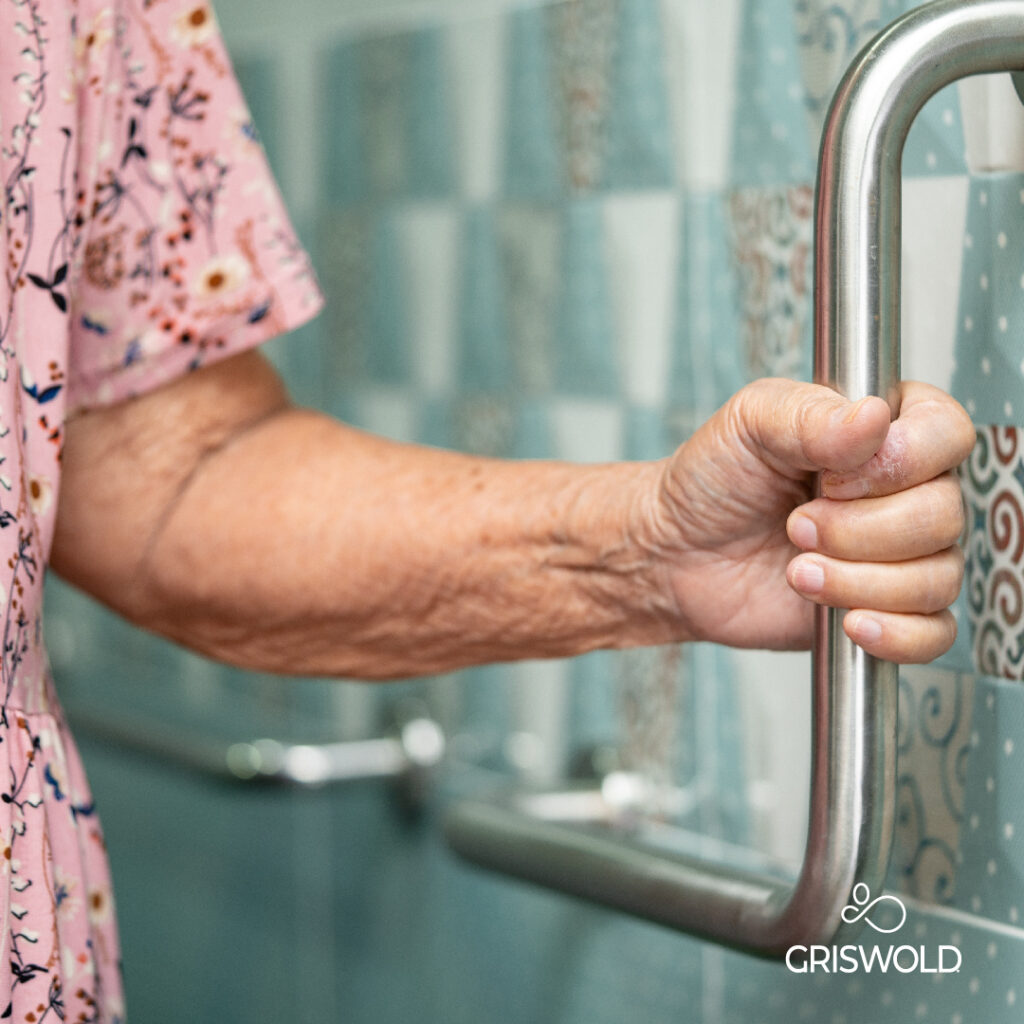
- Install grab bars: Place sturdy bars near the toilet, shower, and tub to aid sitting, standing, and balance. (Tip: towel racks are not designed to support weight.)
- Add non-slip mats: Use mats or adhesive strips inside the shower/tub and on the floor outside.
- Shower chairs or benches: Sitting while bathing reduces fatigue and risk of losing balance. A handheld showerhead adds convenience and safety.
- Raised toilet seats: A raised seat with armrests makes standing up and sitting down easier and safer.
Kitchen Safety: Keep Essentials Within Reach
A well-organized kitchen helps prevent unnecessary stretching or bending that could lead to falls.
- Store frequently used items at waist or counter height to reduce bending or reaching.
- Clean spills immediately to prevent slips on wet floors.
Bedroom Safety: Rest Easy
Your bedroom should be a calm, safe space for sleep and relaxation.
- Maintain clear walkways: Keep a clear path from bed to bathroom.
- Improve lighting: Place a bedside lamp within easy reach and use motion-activated nightlights in hallways and bathrooms.
- Consider bed rails: If getting in and out of bed is difficult, a bed rail can offer added stability.
Stairs and Hallways: Focus on Light and Support
Stairs can be especially hazardous, but simple changes can make them much safer:
- Handrails on both sides: Extra support improves balance.
- Bright, consistent lighting: Ensure stairways and hallways are well-lit, with switches at both ends.
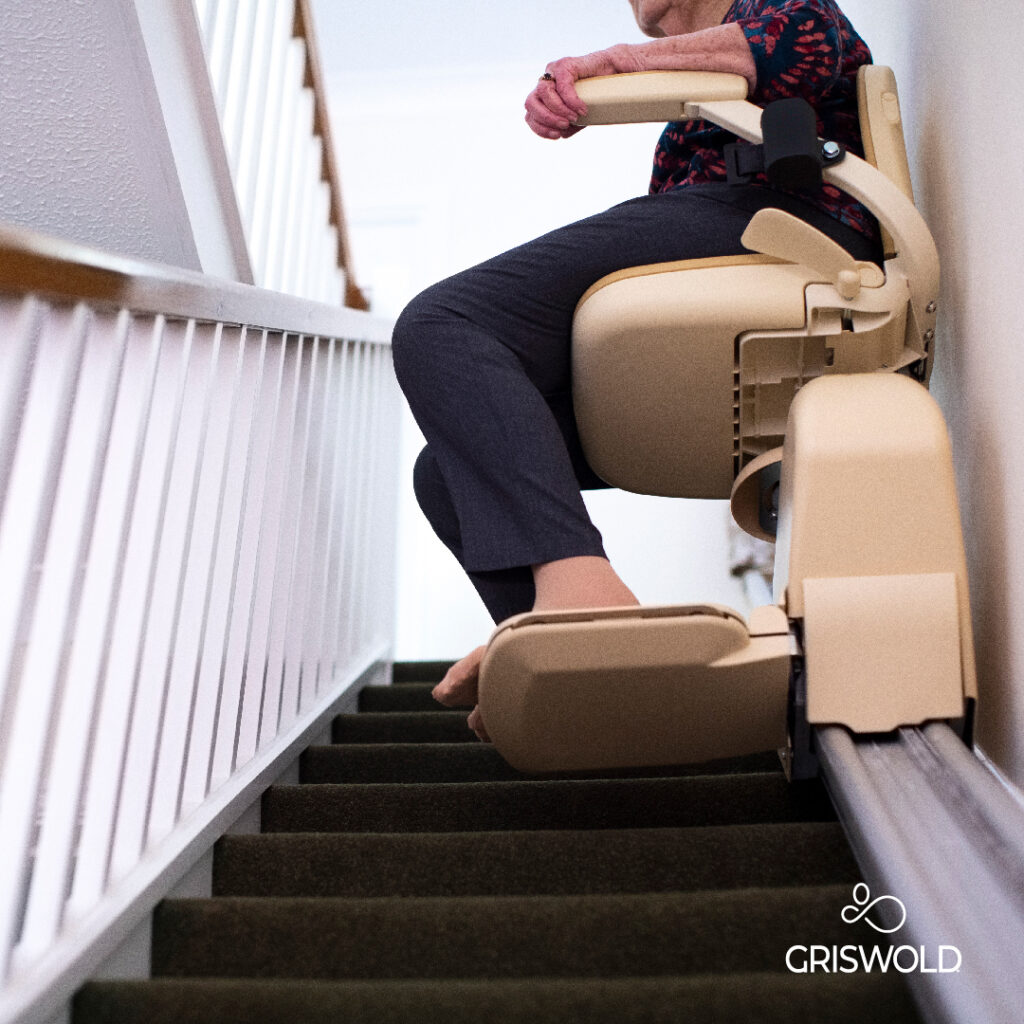
- Stair lifts: If stairs are becoming difficult, consider a stair-chair for safety and convenience.
For more tips on aging in place, including home modification ideas and cost considerations, check out U.S. News’ Aging in Place Guide
How Griswold Caregivers Help Prevent Falls
Having a Griswold caregiver in the home is one of the most effective ways to prevent falls. Our trained professionals:
- Spot hazards and help maintain clutter-free spaces
- Assist with activities like bathing, dressing, or using stairs
- Stay with your loved one to ensure steady, safe mobility
With consistent, compassionate care, our caregivers not only reduce fall risks but also help seniors feel more confident, safe, and independent in their homes.
Schedule a free home safety assessment today:
- Stratford: 203-380-2700
- Bethel: 203-744-9200
- New Haven: 203-776-2273
Subscribe
Date: January 17, 2026
Category: