Men and Osteoporosis: The Overlooked Risk
Category:
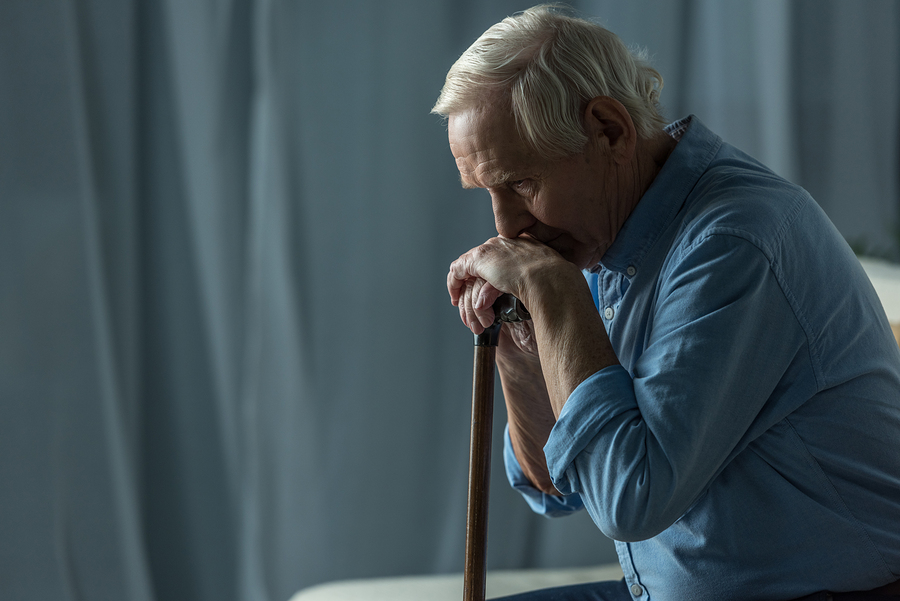
Osteoporosis is often thought of as a “women’s disease,” but new research highlighted by The New York Times shows that men are at significant risk too—and often go undiagnosed until a serious fracture occurs.
The Hidden Risk: Osteoporosis in Men
When most people hear “osteoporosis,” they think of women—but new research shows that men face serious risks too. As highlighted in a recent New York Times article, up to one in five men over 50 will experience an osteoporosis-related fracture. Even more concerning, a quarter of all hip fractures occur in men, and their recovery outcomes are often worse than women’s.
Despite these statistics, screening rates remain alarmingly low. One large VA study cited by the Times found that only 2% of men had bone-density scans. Part of the problem is that medical organizations still can’t agree on screening guidelines for men, leaving many at risk and unaware.
Why This Matters
Men often lose bone density quietly, without any obvious symptoms—until a fracture happens. Factors like low testosterone, long-term steroid use, or certain cancer treatments can speed up bone loss. But because osteoporosis is often viewed as a “women’s issue,” men rarely get screened or treated until it’s too late.
What You Can Do
If you or a loved one is concerned about bone health, there are a few important steps to take:
- Ask for a DEXA scan if you’re over 70 or have known risk factors.
- Build strong bones naturally with regular exercise, plenty of calcium and vitamin D, and by limiting alcohol and smoking.
- After a fracture, don’t stop at surgery—make sure an osteoporosis evaluation is part of the recovery plan.
How Griswold Care Pairing for Manhattan Can Help
At Griswold Care Pairing for Manhattan, we understand that bone health directly affects independence, confidence, and safety—especially after a fall or fracture. Our experienced caregivers can:
- Assist with mobility and fall prevention, reducing the risk of future injuries.
- Support recovery with safe movement, meal prep, and medication reminders.
- Encourage light exercise and daily activity to strengthen muscles and bones.
- Offer companionship and consistency, making the healing process less stressful.
If you or a loved one are living with osteoporosis or recovering from a fracture, we’re here to help create a safer, more confident home environment.
Learn more about our services and how we can help your family stay strong, connected, and supported at home.
Subscribe
Date: October 21, 2025
Category: