Understanding the Harms of Social Isolation in High Point
Category:
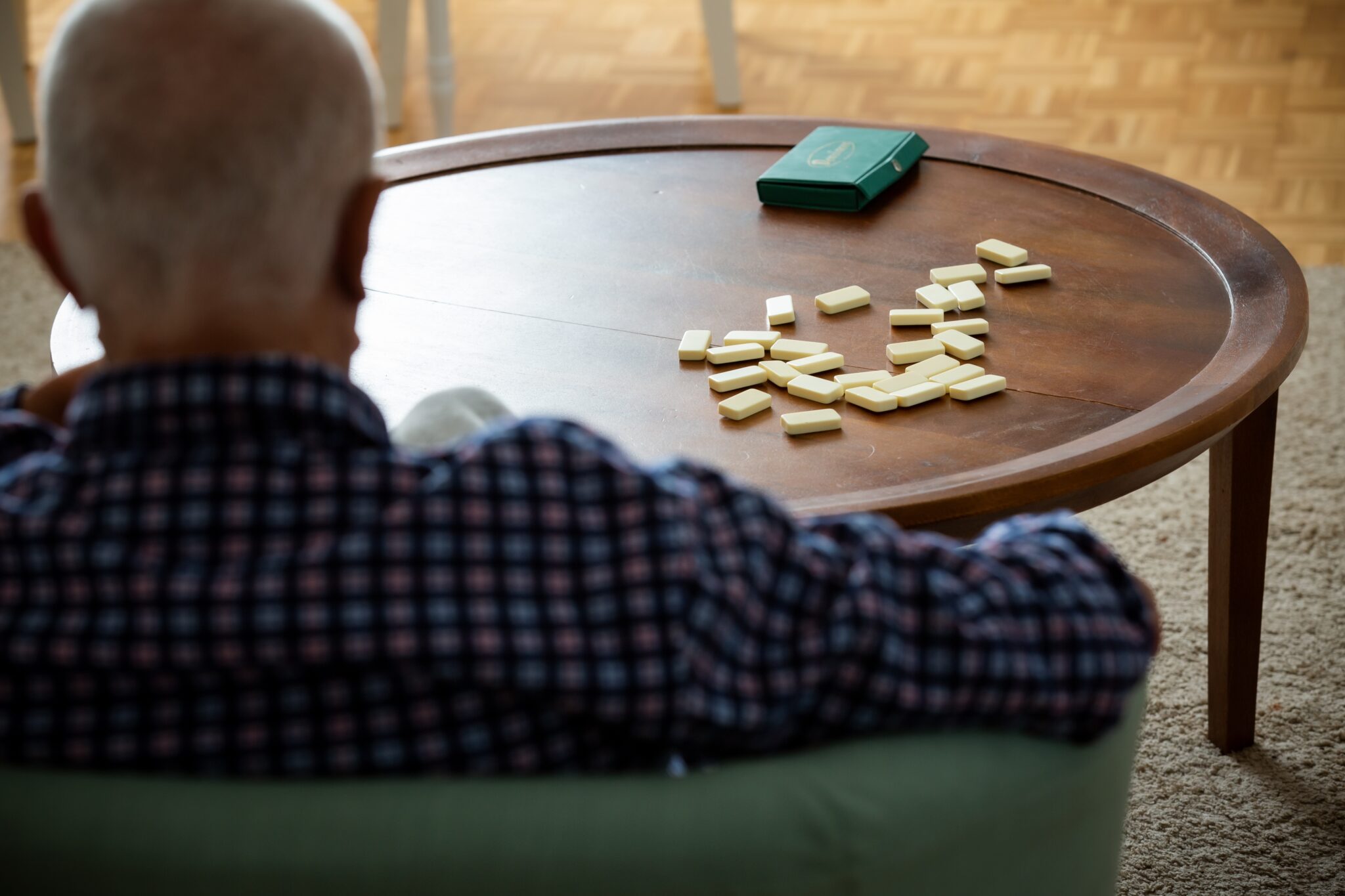
Did you know that nearly 25% of older Americans are considered socially isolated?
Adults aged 65 and older are experiencing social isolation more than ever before. This is a very serious, but underappreciated, ailment for the senior population. There are many negative health outcomes associated with being socially isolated, including up to a 50% increase in developing dementia. Read on to learn more about social isolation, its effects, risk factors, and how to combat it.
What is Social Isolation?
While commonly associated with loneliness, it is essential to distinguish between social isolation and loneliness. Isolation is defined as a state that arises from having too few or no social relationships. Thus, if someone lives alone, doesn’t have closer relatives, or never visits anyone, they may be considered isolated. Loneliness is the subjective perception of having insufficient social relationships or not enough contact with people. A person who wishes they had more friends may be considered lonely. The distinction between the two is important, as some seniors may prefer to be alone but experience no loneliness; however, they would still be considered isolated.
Health Effects
Many adverse health effects can stem from social isolation and loneliness. These include both mental and physical conditions, such as high blood pressure, heart disease, obesity, weakened immune system, anxiety, depression, cognitive decline, Alzheimer’s disease, and even death.
What are the Risk Factors?
Some of the major factors that can lead to isolation or loneliness are the death of a spouse, separation from friends or family, retirement, loss of mobility, and lack of transportation. These, in particular, are not uncommon experiences for older adults. Making them more prone to experiencing isolation than most.
Other risk factors include:
- Family conflict
- Financial stress
- Insecure housing
- Low self-esteem
- Physical illness
- Caregiving responsibilities
How to Prevent Loneliness and Isolation?
Whatever the cause of an individual’s isolation, it can be easier than people expect to feel that way. It’s also important to know that those who are lonely may find it difficult to reach out and ask for help. With that in mind, here are a few ways to help older people connect with others and help shed those feelings of loneliness and isolation:
- Smile, as much as possible – Take every opportunity to smile at others or begin a conversation
- Invite friends over for tea – It may be tempting to think others don’t want to visit you, but people often appreciate receiving an invitation
- Keep in touch with friends and family via cell phone
- Learn to utilize computers – if friends or family live far away, a good way to stay in touch, especially with grandchildren, is using a computer to share pictures and emails.
- Get involved in local community activities – look at local senior centers for events you can attend or even volunteer at
- Start journaling – it can help writing things down that you look forward to each day
- Get out and about – If you don’t want to wait for people to visit you, travel to see them. There are many public transportation options available
Local Resources
Here are a few senior centers in our area that offer activities, classes, and other fun opportunites for seniors to stay connected.
Senior Resources of Guilford – the sponsoring organization in Guilford County for a wide range of federal, state, and locally funded programs that assist senior adults in maintaining their independence and continuing their involvement in community activities.
Roy B. Culler, Jr. Senior Center in High Point – The center is named for former High Point Mayor Roy B. Culler, Jr., who was instrumental in its development. The Senior Center is certified by the State of North Carolina as a “Center of Excellence.”
How Can Griswold’s Companionship Care Help?
At Griswold, we recognize that connection and social engagement are vital for our physical health and emotional well-being. Interacting with others improves cognitive function and physical resiliency, reduces stress and depression, and creates a sense of belonging and purpose. Companionship makes us healthier and happier. That is why companion care is one of our essential care services. A Griswold Caregiver is a companion who helps with things such as shopping and errand assistance, writing and sending cards or emails, supporting your hobbies, and attending social events with you.
If you’re interested in learning more about your options, feel free to get in touch! We’re here to assist you in finding the right solution for your needs.
Subscribe
Date: December 19, 2025
Category: