When Family Is Involved in Caregiving: Navigating Responsibilities Together
Category:
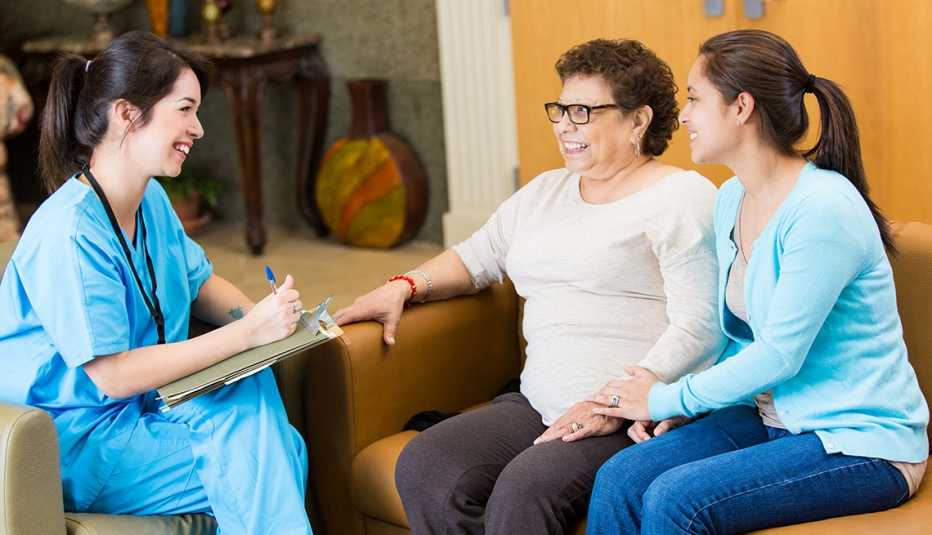
Supporting an aging family member is often a shared journey that involves multiple people working together. Family involvement can bring comfort, cooperation, and additional support, but it can also become challenging when responsibilities, expectations, and decision-making roles are not clearly discussed.
By setting clear expectations, communicating regularly, and respecting each person’s contribution, families can create a more organized caregiving experience while minimizing stress and disagreements.
Challenges of Providing Care as a Family
When several family members take part in caregiving, each person may have different opinions, abilities, and availability. One relative may provide daily assistance, while another may help by handling appointments, managing expenses, offering transportation, or providing emotional support.
Without a shared understanding of responsibilities, some family members may feel overwhelmed while others may feel disconnected from the process. Open conversations can help families recognize each person’s strengths and create a fairer approach to caregiving.
Establishing Responsibilities Among Family Members
Successful caregiving starts with knowing who is responsible for different tasks. While everyone may contribute in different ways, having defined roles helps avoid confusion and ensures important needs are addressed.
When responsibilities are clearly assigned, caregivers can work together more smoothly and reduce the risk of burnout.
Keeping Communication Open
Communication is one of the most important parts of family caregiving. Regular conversations help ensure that everyone understands current care needs, changes in health, and any adjustments that need to be made.
Family meetings or check-ins can provide a space to discuss concerns, share updates, and make decisions together. Talking about care preferences early can also help families prepare for future needs with less stress.
Caring for the Caregivers
Providing care for a loved one can be rewarding, but it can also be emotional and physically exhausting. Caregivers need support too, and families should make an effort to look after one another.
Ways families can support caregivers include:
- Asking how they are feeling and offering help
- Sharing tasks instead of placing responsibility on one person
- Respecting each caregiver’s time, limits, and personal commitments
- Encouraging rest and self-care
A supported caregiver is better able to provide consistent and compassionate care.
Creating a Reliable Caregiving Network
Family support is an important part of caregiving, but additional resources can make the process easier. Many families choose to include professional caregivers, community services, and other trusted resources as part of their care team.
Having a dependable support system allows families to provide better care while reducing pressure on individual family members.
The Role of Home Care in Supporting Families
Even with strong teamwork, caregiving needs may increase as a loved one grows older. Professional home care can provide valuable assistance with daily routines, personal care, companionship, and other tasks that support safe and comfortable living at home.
Home care providers can partner with families by filling gaps in care and offering dependable support when additional help is needed. This allows family members to spend more meaningful time with their loved ones without feeling overwhelmed by daily caregiving demands.
Conclusion
Caregiving with family can be both meaningful and challenging. With clear communication, shared responsibilities, and a strong support system, families can create a care plan that provides comfort, stability, and support for everyone involved.
If you’re unsure which type of care is right for your loved one, speaking with a care provider can help you understand your options and choose the support that best fits your needs. For other questions, please visit our website at Greater Temecula Providing Caregivers | Griswold (griswoldcare.com), call/text at 951-346-1352, or email at nolan.chandler@griswoldhomecare.com.
Subscribe
Date: August 6, 2026
Category: