Creating Safer Spaces for People with Sensory Challenges
Category:
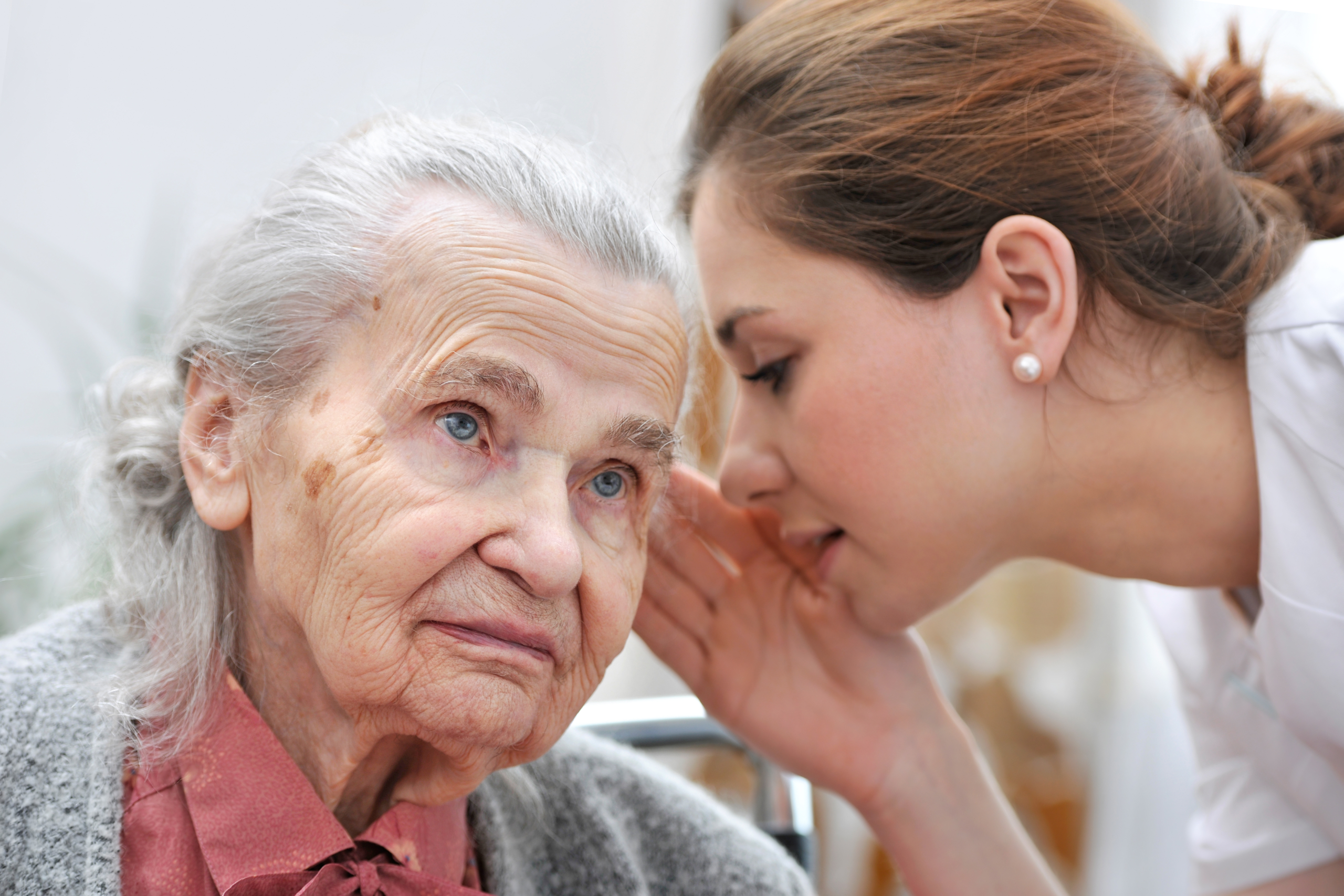
A home should always provide a sense of security, comfort, and familiarity. However, as individuals get older, changes in their ability to see and hear can make even the most familiar surroundings more difficult to navigate safely. For many seniors, these changes affect both senses at the same time, creating additional challenges in their daily lives.
Age-related eye conditions, including cataracts, glaucoma, and macular degeneration, along with presbycusis, or age-related hearing loss, can interfere with everyday tasks. These conditions may make it harder to recognize obstacles, understand conversations, notice warning signals, and identify potential dangers around the home. When vision and hearing difficulties occur together, the risk of falls, incorrect medication use, reduced social interaction, and delayed responses during emergencies may increase.
Despite these challenges, older adults can continue to live safely and maintain their independence with the right support. Making practical changes to the home, using appropriate assistive equipment, and establishing simple safety practices can help reduce everyday risks. With thoughtful planning and a supportive environment, seniors and their caregivers can make the home a safer, more accessible place that encourages dignity, comfort, and independent living.
Designing a Safer Living Environment for Individuals with Vision and Hearing Loss
Vision and hearing changes can affect how older adults interact with their surroundings and complete everyday activities. Improving home safety requires a thoughtful approach that addresses visibility, sound awareness, accessibility, and organization. By making practical adjustments throughout the home, families and caregivers can help reduce avoidable risks while supporting comfort and independence.
Improving Visibility Through Lighting and Color Contrast
When vision becomes less reliable, identifying objects, recognizing changes in floor levels, and distinguishing between surfaces can become more challenging. A well-planned visual environment helps make important features easier to recognize.
- Make Steps and Floor Changes More Noticeable: Add contrasting strips to stair edges, door thresholds, and areas where the floor changes height. Clear visual markings can help individuals recognize these transitions before stepping onto them.
- Choose Furniture and Household Items That Stand Out: Arrange furniture against backgrounds that make its edges easier to distinguish. Using contrasting colors for dishes, utensils, and placemats can also improve visibility during meals.
- Improve the Visibility of Household Controls: Use large-print labels and clear markings on frequently used appliances, thermostats, and other controls. Ensure important settings are easy to identify without unnecessary confusion.
- Provide Task-Specific Lighting: Add suitable lighting near reading areas, kitchen counters, bathrooms, and other spaces where detailed activities take place. Adjustable task lighting can help accommodate individual visual needs.
Creating Comfortable Lighting and Reducing Glare
Lighting should support visibility without causing discomfort. Excessive brightness, reflections, and abrupt changes between light and dark areas can make movement more difficult for individuals with vision impairments.
- Use Lighting That Minimizes Reflections: Position lamps to reduce glare on shiny surfaces, mirrors, televisions, and countertops. Curtains or blinds can help manage direct sunlight throughout the day.
- Maintain Consistent Illumination: Avoid sudden transitions between brightly lit rooms and dark hallways. Ensure that entrances, staircases, and frequently used pathways have adequate lighting.
- Install Automatic Night Lighting: Motion-activated lights can illuminate the route between the bedroom, bathroom, and other frequently visited areas during nighttime hours.
- Check Bulbs and Lighting Fixtures Regularly: Replace faulty bulbs promptly and ensure that switches are accessible. Select lighting levels based on the individual’s comfort and visual requirements rather than assuming brighter is always better.
Preventing Falls Through Better Home Organization
A clutter-free home makes it easier to move around safely, especially when a person cannot easily see objects in their path. Consistent organizations can also help individuals develop familiarity with their surroundings.
- Reduce Trip Hazards: Remove loose rugs, unsecured mats, and unnecessary objects from walking areas. If a rug must remain, use an appropriate nonslip backing and ensure its edges do not curl.
- Keep Cords Away from Walking Routes: Secure electrical cables along walls and arrange charging stations so that cords do not cross pathways.
- Maintain Clear Routes Between Rooms: Keep hallways and doorways free of furniture, storage containers, and decorative items that could obstruct movement.
- Store Frequently Used Items Within Reach: Place everyday belongings in predictable locations that are easy to access without climbing, stretching, or bending unnecessarily.
- Use Stable Furniture and Appropriate Mobility Aids: Ensure that commonly used furniture is sturdy and that mobility aids are properly fitted and maintained. Avoid relying on lightweight furniture for support when standing or walking.
Improving Safety for Individuals with Hearing Loss
Hearing difficulties can make it harder to recognize environmental sounds that communicate important information. Doorbells, timers, alarms, and calls for assistance may go unnoticed when they rely exclusively on sound. Providing alternative alert methods can improve awareness and responsiveness.
Installing Accessible Warning and Notification Systems
Visual and vibrating alerts can help supplement sounds that may be difficult to hear.
- Choose Accessible Smoke and Carbon Monoxide Detectors: Consider approved alarm systems that provide appropriate visual and tactile alerts for people with hearing loss. Sleeping areas may require specialized notification equipment designed to wake individuals who cannot reliably hear conventional alarms.
- Add Visual Doorbell Notifications: Flashing indicators or compatible notification systems can help residents recognize when someone is at the door.
- Improve Telephone Accessibility: Use phones with adjustable volume, visual ringing indicators, captioning, or compatible assistive features according to the user’s needs.
- Test Alert Systems Regularly: Check batteries, connectivity, and notification settings according to the manufacturer’s instructions. An accessible alarm is only helpful when it is functioning properly.
Using Tactile Cues and Vibration-Based Alerts
Touch-based signals provide another way to communicate important information when conventional sound-based alerts are insufficient.
- Introduce Vibrating Reminder Devices: Wearable devices or vibrating alarm systems can provide reminders for appointments, scheduled activities, and medication routines.
- Consider Bed-Shaking Alarm Systems: Specialized vibrating alarms may be useful for waking individuals who cannot hear a conventional alarm. Select equipment appropriate for the person’s needs and sleeping arrangements.
- Add Raised Markings to Frequently Used Controls: Tactile dots or raised labels can help individuals identify selected appliance settings by touch. Ensure that markings do not interfere with safe operation.
- Establish Consistent Tactile Communication Methods: With the person’s consent, family members and caregivers can agree on simple touch signals when appropriate. Communication methods should always respect personal boundaries and individual preferences.
Making Conversations Easier to Follow
Communication can become tiring when a person has difficulty hearing speech or interpreting visual cues. A supportive environment can help reduce misunderstandings and encourage meaningful interaction.
- Reduce Competing Sounds: Turn down televisions, radios, and other background noise before beginning an important conversation.
- Make Sure the Person Knows You Are Present: Approach within their awareness, avoid startling them, and use their preferred method of gaining attention.
- Speak Clearly and Naturally: Use a comfortable pace and normal volume. Shouting may distort speech and make understanding more difficult.
- Confirm Important Information: Repeat or rephrase instructions when needed and allow enough time for the person to respond.
- Use Alternative Communication Methods: Written messages, large-print notes, captions, visual cues, or tactile communication may be useful depending on the person’s remaining abilities.
Using Assistive Technology to Support Independence
Modern assistive devices can help older adults manage household tasks, communicate with loved ones, and access assistance when needed. Technology should be selected carefully to ensure that it genuinely addresses the individual’s needs.
If you’re unsure which type of care is right for your loved one, speaking with a care provider can help you understand your options and choose the support that best fits your needs. For other questions, please visit our website at Greater Temecula Providing Caregivers | Griswold (griswoldcare.com), call/text at 951-346-1352, or email at nolan.chandler@griswoldhomecare.com.
Subscribe
Date: October 15, 2026
Category: