Supporting stroke recovery at home: the important role of caregivers
Category:
Every May, National Stroke Awareness Month reminds us of the importance of stroke prevention, early recognition, and ongoing recovery support. While emergency treatment is critical during a stroke, the recovery journey begins after a patient returns home.
At Griswold Home Care for La Jolla, we understand that stroke recovery is not only physical, but also emotional, mental, and deeply personal. Compassionate in-home caregiving can make a meaningful difference by helping stroke survivors maintain independence, confidence, and quality of life throughout recovery.
Understanding stroke
A stroke is a medical emergency that occurs when blood flow to the brain is interrupted.
About 80% of strokes are ischemic strokes, caused by a blood clot blocking blood flow to the brain. The remaining 20% are hemorrhagic strokes, caused by bleeding in the brain due to a ruptured blood vessel.
Common warning signs of stroke include:
- Slurred speech
- Sudden numbness or weakness, especially on one side of the body
- Vision problems
- Severe headache
- Trouble walking or maintaining balance
Recognizing stroke symptoms quickly is extremely important because early treatment can significantly reduce long-term disability.
Act FAST to save lives
Remember the word FAST:
- Face Drooping – Does one side of the face droop when smiling?
- Arm Weakness – Does one arm drift downward when raised?
- Speech Difficulty – Is speech slurred or difficult to understand?
- Time to Call 911 – Call emergency services immediately.
Do not drive the person to the hospital, as calling 911 ensures faster medical intervention.
To learn more about stroke awareness and prevention, visit www.ninds.nih.gov/health-information/stroke
Prevention matters
Years before a stroke occurs, uncontrolled high blood pressure can quietly damage and narrow arteries, reducing blood flow to the brain. The good news is that many strokes are preventable. You can lower your risk by:
- Exercising regularly
- Managing high blood pressure
- Eating a healthy diet
- Controlling cholesterol
- Managing diabetes
- Quitting smoking
Stroke rates are increasing among adults under age 49, making awareness and prevention more important than ever.
The role of caregivers in stroke recovery
After a stroke, many individuals experience challenges with mobility, communication, memory, personal care, and daily routines. Recovery can feel overwhelming for both survivors and their families. This is where professional in-home caregivers become an essential part of the support system.
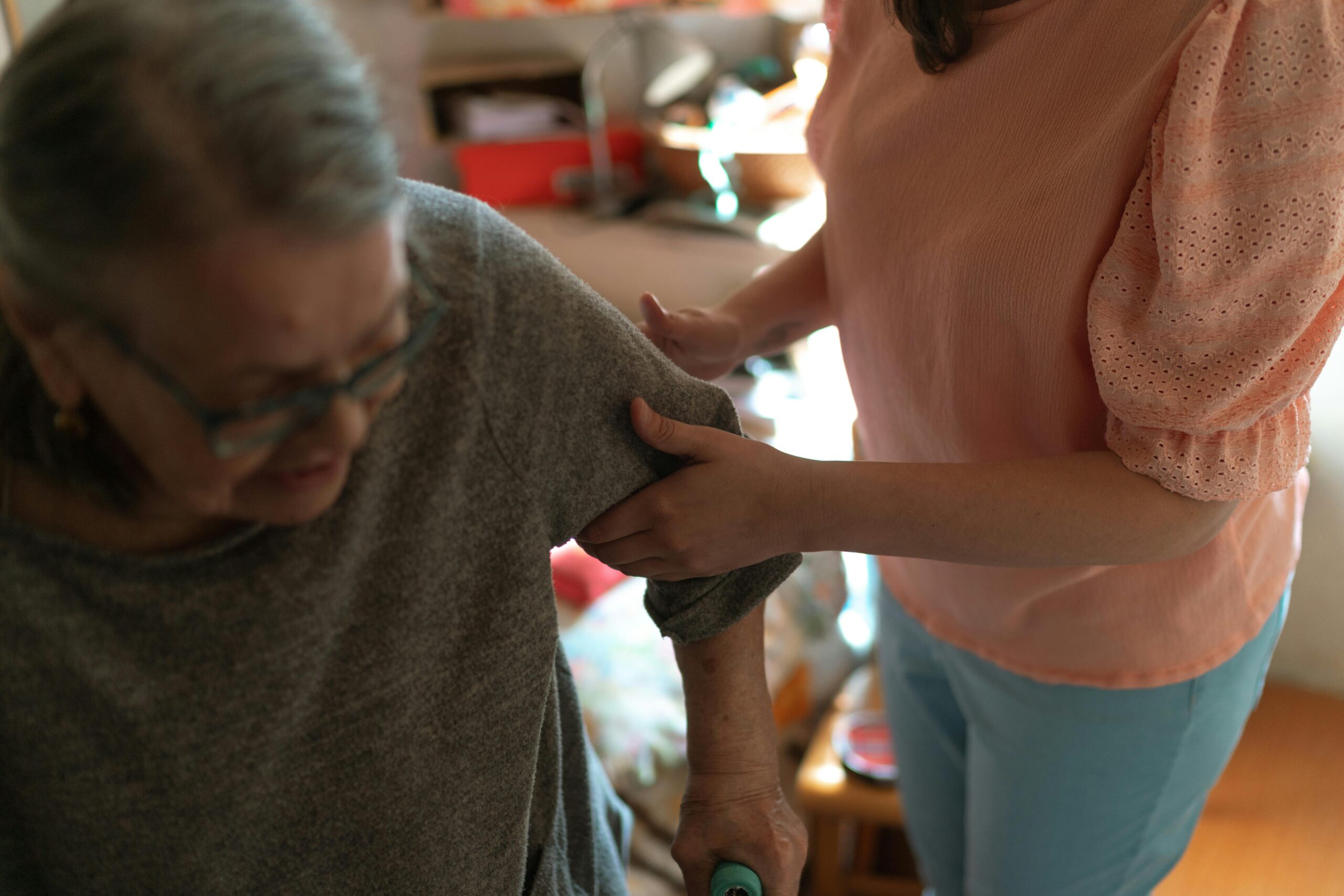
Caregivers aid with daily tasks, offering encouragement, structure, companionship, and emotional reassurance during a difficult transition.
A caregiver’s scope of practice includes:
- Assisting with mobility and personal care
- Supporting rehabilitation exercises and routines
- Promoting a safe home environment
- Providing medication reminders
- Offering companionship and emotional support
- Observing changes in condition and communicating concerns to families and care teams
Having compassionate support at home gives family members peace of mind, knowing their loved one is not alone.
Recovery is emotional too
Stroke recovery is not always visible. Many survivors experience anxiety, frustration, depression, or fear as they adjust to changes in their abilities and independence.
Simple acts of encouragement can have a powerful impact:
- Celebrating small milestones
- Maintaining meaningful routines
- Engaging in conversation and companionship
- Providing patience and emotional understanding
Recovery takes a team effort involving healthcare professionals, therapists, caregivers, and loved ones working together to support the individual’s well-being. We have a team of professional caregivers ready to play this vital role in you or your loved one’s care team.
You are not alone
If you or someone you love has experienced a stroke, know that recovery is possible with the right support system. We are committed to helping seniors and families maintain independence, dignity, and quality of life through compassionate in-home care. If you would like to learn more about how our caregiving team can support stroke recovery at home, please contact us. We are here to help serve as a trusted resource for you and your family.
Sources:
www.mayoclinic.org/diseases-conditions/stroke/symptoms-causes/syc-20350113
Subscribe
Date: May 27, 2026
Category: