The Many Benefits of Senior Centers
Category:
For the older adult in our community, a senior center is far more than just a place to drop in. It’s a vital hub for connection, activity, support and purpose. Here are some of the key benefits:
Social & Emotional Connection
Loneliness and social isolation are major issues as people age. Senior centers provide a welcoming gathering place where older adults can build friendships, join groups, share stories, and feel part of something. Many centers emphasize “friendship, physical, intellectual, cultural and social activities” as part of their mission (for example, the Bethel Senior Center in Bethel). bethel-ct.gov+2bethel-ct.gov+2
Lifelong Learning & Intellectual Engagement
Maintaining cognitive health and staying curious is hugely beneficial. Senior centers often offer classes (computer skills, lecture series, music, art), discussion groups, book clubs and more. This supports mental agility, adds variety, and gives seniors something to look forward to.
Physical Health & Wellness
Exercise, balance training, walking groups, yoga or tai chi classes — many centers focus on keeping older adults active in safe, supportive environments. Physical activity reduces falls, supports mobility, and fosters confidence.
Purpose & Meaning
Being part of something, volunteering, mentoring younger people, sharing wisdom — senior centers give many older adults a renewed sense of purpose. They aren’t just “getting older,” they’re continuing to contribute, learn, engage and lead.
Support Services & Resources
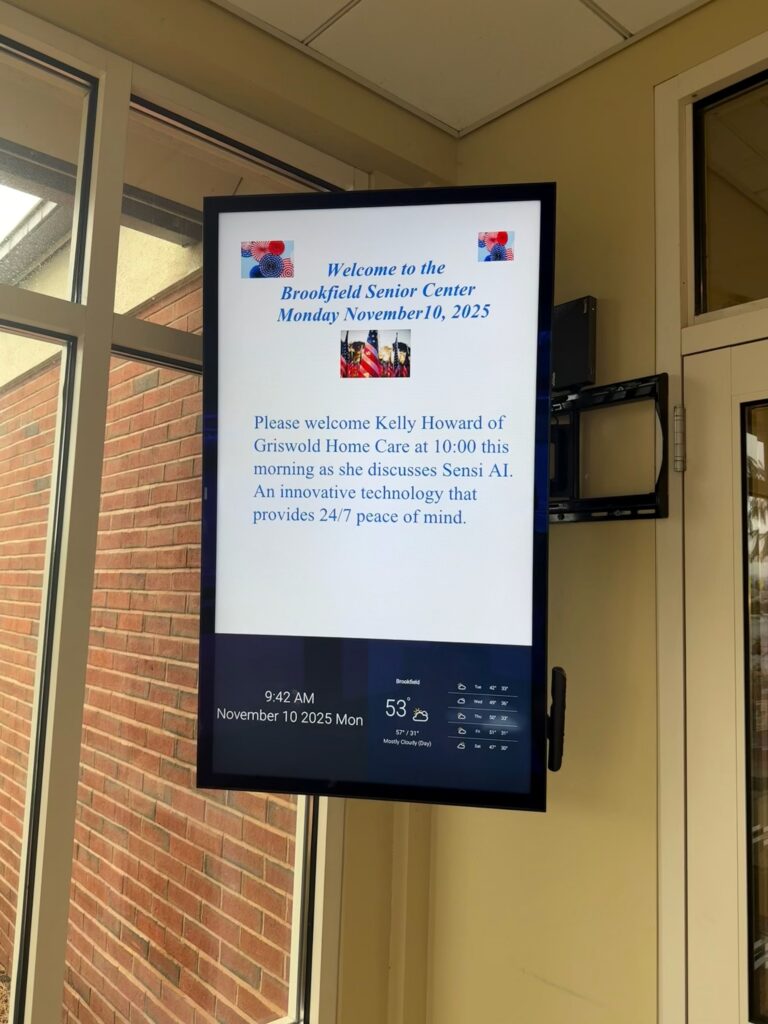
Beyond social and enrichment activities, centers often serve as resource hubs: connecting seniors with health-insurance counselling, transportation programs, benefits information, local services, and more. For example, the Brookfield Senior Center in Brookfield helps seniors through their Municipal Agent with program information and referrals. Brookfield CT+1
Improved Quality of Life
When taken together, all these elements — connection, movement, learning, support — add up to improved well-being, greater independence, and often better physical and mental health outcomes. Senior centers help aging feel less like “things are closing down” and more like “here’s a new vibrant chapter.”
What You’ll Find: Typical Events & Programs
Across senior centers (including those here in Connecticut), you’ll find a rich mix of recurring events and special activities. Here are some examples:
- Bingo lunches and hot dogs — a fun social-meal-game combo (see Brookfield’s “Fabulous Friday Hot Dog & Bingo Lunch”). Patch
- Book clubs and discussion groups — e.g., Brookfield had a book-club meeting reading The Blossom Sisters. Patch
- Men’s breakfast, coffee chats, friend groups by interest (e.g., “Are you from the Bronx?” chat group at Brookfield). Patch
- Health-screening events: blood-pressure screenings, visiting nurse sessions, wellness talks. Patch+1
- Trips, day outings and cultural events: classes and trips are listed for Bethel. bethel-ct.gov+1
- Educational programming: lectures, computer classes, tai chi, craft classes (see Newtown’s resources). Newtown CT+1
- Intergenerational or creative programmes: fostering connection across ages or through arts and crafts.
- Special-purpose groups: e.g., support groups, memory café type meet-ups, classes targeted to a specific need.
- Volunteer-driven events and fundraisers: many centers have “friends of” groups, volunteer boards, fundraisers to supplement funding. (Brookfield example) Patch
Local Senior Centers You Can Explore
Here are four senior-centers in our region you can look up, visit, or sign up with for their programmes:
- Bethel Senior Center (Bethel, CT) — Website
Mission: “to provide opportunities for friendship, physical, intellectual, cultural, and social activities … to motivate individual and group participation; to encourage positive attitudes and preserve individual dignity and respect for all older adults.” bethel-ct.gov+1 - Brookfield Senior Center (Brookfield, CT) — Website
Mission: “improve the quality of life for Brookfield senior citizens through social, educational, physical, creative and Intergenerational programs.” Brookfield CT+1 - Newtown Senior Center (Newtown, CT) — Website
Mission: “to serve as a community focal point providing programs and services for our older citizens … enhancing independent living, and supporting mental, physical, and social well-being.” Newtown CT+1 - Founders Hall (Ridgefield, CT) — While not exactly titled “senior centre,” this is the hub in Ridgefield for adults 60+ offering educational, wellness, and social programmes: Website
(Listed in senior-centre resources as Ridgefield’s focal point) MapQuest+1
Tips for Seniors & Caregivers
Here are a few suggestions to get the most out of a senior center:
- Visit and “test the waters”: Attend one class or event as a guest if possible to see how you feel.
- Choose what you enjoy: Pick something you’re genuinely interested in (art, exercise, games, discussion) — you’re more likely to stick with it.
- Bring a friend / join with a buddy: Often easier and more fun if you go with a friend; many centres also encourage members to bring new people.
- Make it regular: Try to go at least once a week — consistency helps build connection and routine.
- Ask about transportation: Some centres offer or can refer to transport help if mobility or driving is an issue.
- Offer volunteer help: Many centres welcome involvement — helping out can bring deeper meaning.
- Don’t wait until “later”: It’s better to engage now rather than wait until mobility or health is more of a challenge.
- Involve caregivers/family: Family members can check out the centre with their older relative, see schedule together, choose together.
- Ask about upcoming events: Fundraisers, special outings, guest speakers — centres often publish newsletters, calendars or monthly bulletins.
Why It Matters (Especially Locally)
In our Connecticut communities — where the population is aging and the need for meaningful, integrated, community-based senior services is growing — senior centers fill a unique role. They are local, accessible, less formal than institutional settings, and focused on empowerment rather than just care.
Additionally, by promoting healthy ageing, they can help reduce pressure on more intensive services (health care, home care, assisted living) by promoting prevention, connection and resilience.
Subscribe
Date: November 11, 2025
Category: