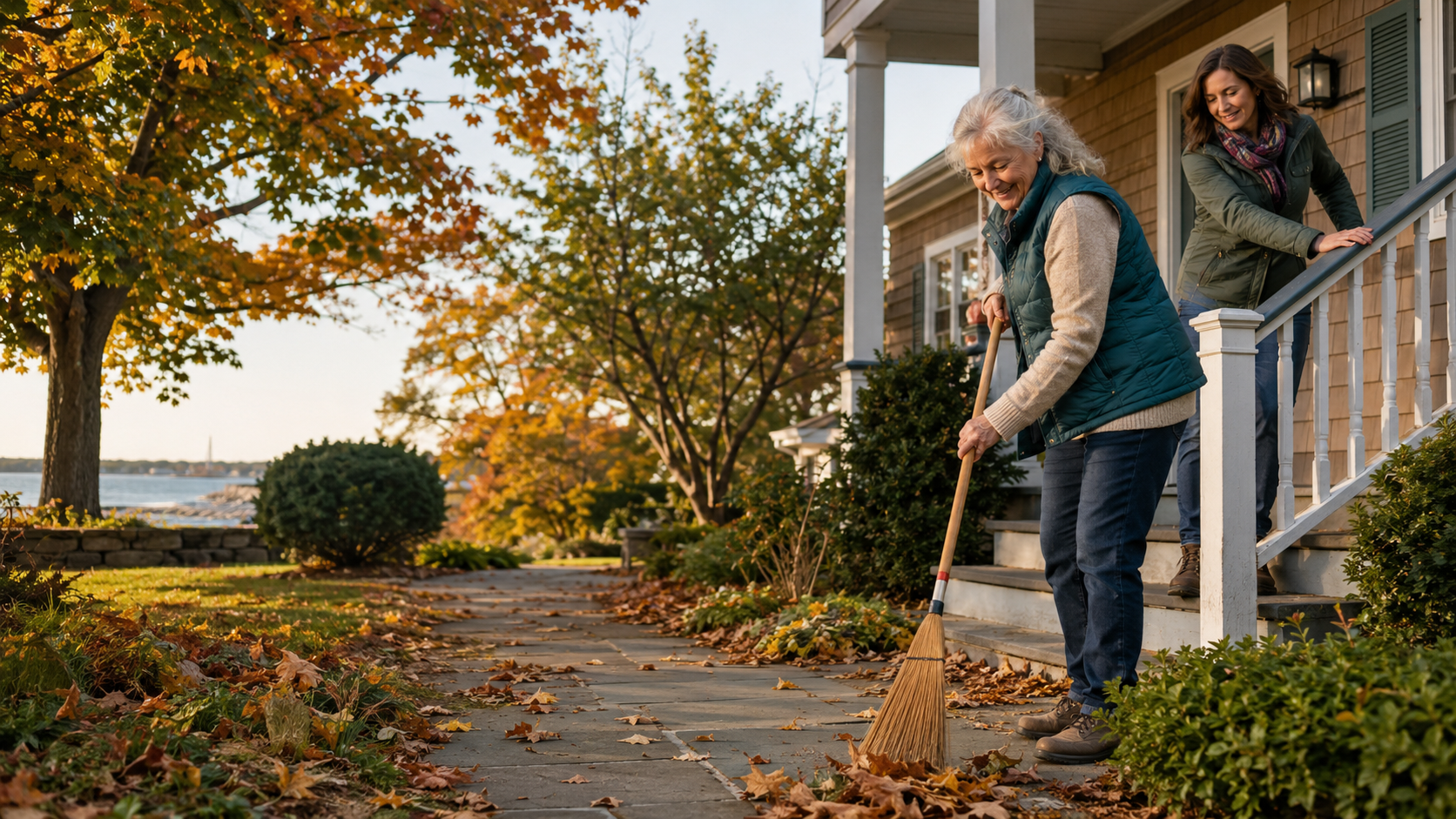
How Curiosity Keeps the Brain Young, and How Home Care Can Help
Category:
Staying mentally engaged is just as important as staying physically active as we age. One often-overlooked key to brain health is curiosity, the desire to learn, explore, and stay connected to the world around us.
For seniors, curiosity isn’t about mastering new technology or taking on big challenges. It’s about staying interested, asking questions, and engaging in daily life. And with the right support, curiosity can remain a powerful part of healthy aging.
Why Curiosity Matters for Aging Adults
Curiosity keeps the brain active by encouraging new thoughts, conversations, and experiences. When seniors stay curious, they’re more likely to:
- Stay mentally engaged
- Feel a sense of purpose
- Maintain emotional well-being
- Reduce feelings of boredom or isolation
Mental stimulation doesn’t need to be complicated. Even simple curiosity, like discussing memories, learning something new, or trying a different daily routine, can help keep the brain sharp.
The Link Between Curiosity and Brain Health
While routines bring comfort, too much repetition can lead to disengagement. Curiosity introduces novelty, which helps stimulate the brain and supports cognitive flexibility.
Examples of curiosity-driven activities include:
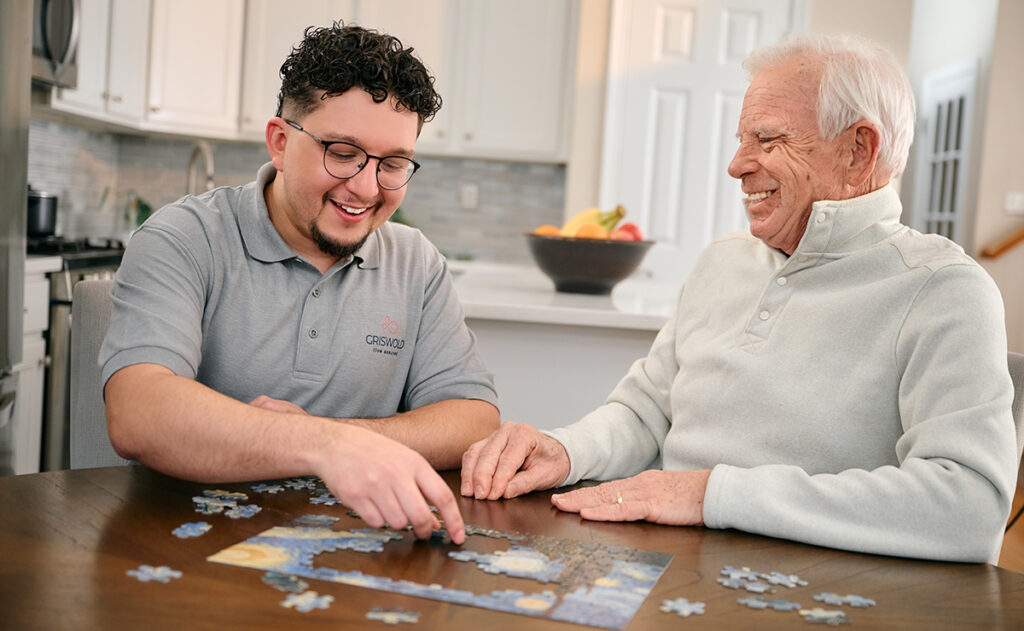
- Playing games or puzzles
- Talking about current events or past experiences
- Exploring hobbies or interests
- Listening to music or watching documentaries
- Taking walks and noticing new surroundings
These activities help keep the mind engaged while enhancing the quality of life.
How Curiosity Reduces Loneliness
Curiosity also plays a major role in emotional health. Being curious about others, asking questions, listening, and sharing stories creates meaningful connections.
Many seniors’ experience loneliness, especially when living alone. Regular, curiosity-driven conversation can make each day feel more purposeful and socially connected.
How Griswold Home Care of Bethel Caregivers Support Mental Engagement
At Griswold Home Care, caregivers understand that non-medical home care is more than assistance with daily tasks; it’s about helping seniors stay engaged with life.
Our caregivers support curiosity and brain health by:
- Encouraging meaningful conversation and companionship
- Supporting hobbies, interests, and lifelong learning
- Introducing simple activities that stimulate the mind
- Helping seniors explore new routines at their own pace
- Creating daily moments of connection and engagement
Whether it’s reminiscing about favorite memories, playing a game together, or learning something new, caregivers help turn everyday moments into opportunities for mental stimulation.
Curiosity Has No Age Limit
Staying curious doesn’t require physical strength or perfect health. It simply requires openness. With encouragement and companionship, seniors can continue discovering, learning, and engaging one day at a time.
At Griswold Home Care, we believe that supporting curiosity supports independence, dignity, and overall well-being.
Compassionate Home Care That Supports the Whole Person
If you or a loved one could benefit from companionship and support that goes beyond basic care, Griswold Home Care is here to help. Our non-medical home care services are designed to support not just physical needs, but emotional and mental well-being.
Contact Griswold Home Care of Fairfield County today to learn more about non-medical home care and how our caregivers can help keep your loved one engaged, connected, and thriving at home. Out of our Bethel Office we service Bethel, Newtown, Redding, Ridgefield, Danbury, Brookfield, New Milford, New Fairfield, and surrounding towns.
Subscribe
Date: April 15, 2026
Category: