Grief Changes as We Age: How Non-Medical Home Care Can Help
Category:
Grief is something nearly everyone experiences, but it does not look the same at every stage of life. As people grow older, loss can become more frequent and more complicated. For seniors, grief may come from the death of a spouse, the passing of friends, changes in independence, or moving away from a familiar home and community.
At Griswold Home Care, we understand that emotional well-being is an important part of aging with dignity. Through compassionate, non-medical home care, older adults can receive meaningful support, companionship, and help with daily routines during times of loss.
Why Grief Can Feel Different for Older Adults
For many seniors, grief is not tied to just one event. It may build over time as losses accumulate. An older adult may be mourning the death of a loved one while also coping with health changes, reduced mobility, or the loss of a familiar lifestyle.
Common sources of grief in later life may include:
- The death of a spouse, partner, sibling, or close friend
- Loss of independence or physical ability
- Retirement and changes in daily purpose
- Moving from a longtime home
- Fewer social connections or community activities
These changes can leave seniors feeling uncertain, lonely, or emotionally overwhelmed.
Signs of Grief in Seniors
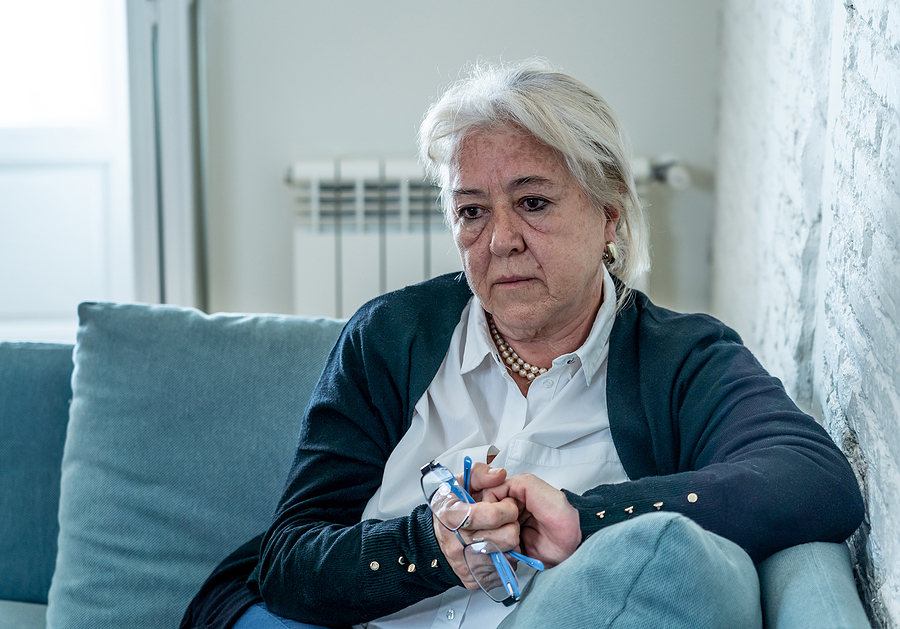
Grief does not always appear as sadness. Some older adults may have been raised to keep emotions private, making it harder for them to openly express what they are feeling.
Grief in older adults may appear as:
- Withdrawing from family or friends
- Changes in sleep or appetite
- Fatigue or lack of motivation
- Irritability or restlessness
- Difficulty focusing
- Increased worry about the future
Recognizing these changes can help families respond with patience and understanding.
The Importance of Companionship During Grief
Isolation can make grief feel heavier. When seniors lose loved ones or experience mobility challenges, their social circles may become smaller. Fewer daily interactions can increase feelings of loneliness and make it harder to move through grief in a healthy way.
Consistent companionship can make a meaningful difference. Having someone nearby to talk with, listen, share memories, or simply provide a calm presence can help an older adult feel less alone.
How Griswold Home Care Supports Seniors Through Loss
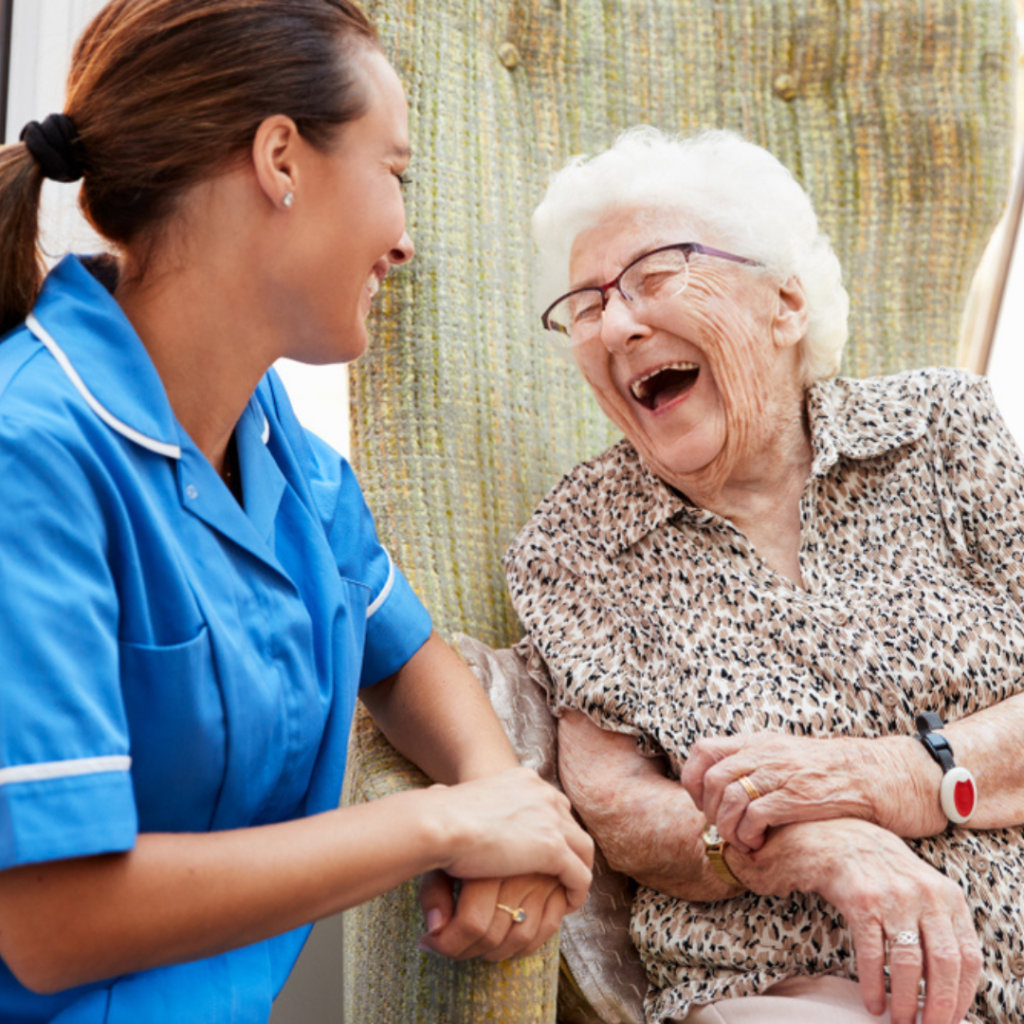
Non-medical home care is not about trying to “fix” grief. Instead, it offers compassionate support that helps seniors maintain comfort, routine, and connection.
Griswold Home Care can help by providing:
- Companionship: Friendly conversation, emotional presence, and shared activities
- Daily routine support: Gentle structure during an emotionally difficult time
- Help around the home: Assistance with light housekeeping, meal preparation, errands, and daily tasks
- Attentive care: Caregivers who can notice changes in mood, behavior, or routine
This support allows seniors to grieve in their own way while continuing to feel respected, valued, and independent.
Supporting Emotional Well-Being at Home
Grief has no timeline. Every person experiences loss differently, and older adults deserve care that honors their individual journey. With compassionate non-medical support, seniors can receive the connection and stability they need during difficult seasons of life.
At Griswold Home Care, we believe care is about more than helping with tasks. It is about helping people feel seen, heard, and supported. If you or someone you love is grieving and could benefit from compassionate non-medical home care, Griswold Home Care is here to help.
Subscribe
Date: July 9, 2026
Category: