
Recognizing Heat Illnesses in Loved Ones
Category:
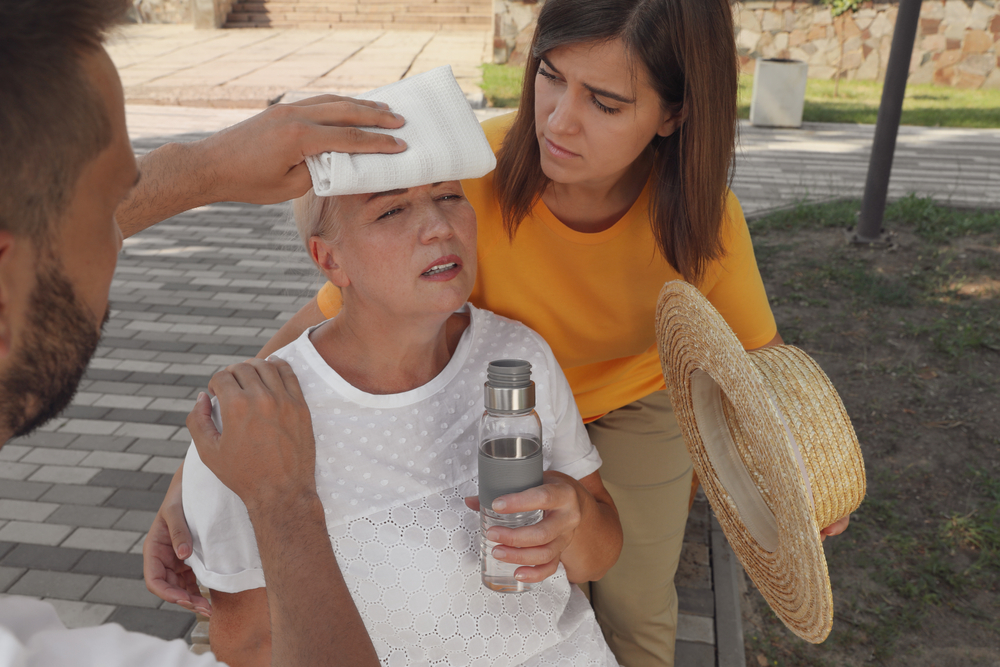
As the temperatures soar in the summer, heat illnesses become a large danger for seniors.
Here in Burlington, the yearly high temperature routinely reaches at least 95° F. There have only been three years since 2000 without the yearly high reaching 95° F. There have also been eight occurrences of the annual high reaching at least 100° F. Thus, making the need for heat safety prominent. During the summer months, it is vital to be aware that seniors are more at risk of developing heat illnesses, and to be aware of the signs of the most common forms of heat illness.
What Raises the Risk of Heat-related Illnesses in Older Adults?
Seniors are more vulnerable to heat illnesses for a variety of reasons. Some are more prevalent than others, but all are important to consider when temperatures are rising, and you are caring for an older adult.
- Preexisting health issues such as cardiovascular, lung, or kidney disease
- Changes in skin caused by normal aging
- Illnesses that often cause weakness or fevers
- Prescription drugs, including diuretics, sedatives, tranquilizers, and some high blood pressure medications
- Being overweight or underweight
- Drinking alcoholic beverages
Get to Know Heat Illnesses
Heat Cramps – Painful tightening or spasms of muscles throughout your body. This most commonly occurs in the arms, legs, and back. To alleviate the pain, stop physical activity, rest in the shade or a cool building, and drink plenty of fluids.
Heat Syncope – This is a sudden dizziness that can happen when being active in hot weather. To remedy, rest in a cool place, put your legs up, and drink water to help the dizziness go away.
Heat Edema – Is swelling in your ankles and feet caused by a raised body temperature. To help, put your legs up to get the blood to flow away from your feet. If that doesn’t work, check in with a medical professional.
Heat Rash – Skin irritation typically caused by heavy sweating. You may develop red clusters of small blisters that look eerily similar to pimples on the skin. You may also notice your skin gets itchy. To ease the pain, keep the affected area dry, use a powder to soothe the rash, and stay in cool areas.
Heat Exhaustion – This is a warning sign from your body that it can no longer cool itself. You may feel thirsty, dizzy, weak, uncoordinated, and nauseated. It often leads to heat stroke if not treated immediately. To prevent it from getting worse, rest in a cool place and get plenty of fluids as soon as possible.
Heat Stroke – Is a medical emergency, and you should seek medical attention immediately. This occurs when the body’s temperature reaches 104 or higher. Symptoms include fainting, confusion, acting strangely, not sweating (even though it’s hot), dry skin, and a strong, rapid pulse.
Griswold Can Help
Our Caregivers can assist in monitoring your loved one’s condition on those hot days. Whether that includes hydration reminders, checking fans and air conditioning is working, or running errands on your behalf so your loved one can stay in a cool place. We’ve got you covered.
Give us a call today to learn more about how our care services could help you. After listening to your needs, we will put together a personalized care plan just for you and can often have one of our Caregivers come to your house within 24 hours.
Subscribe
Date: July 16, 2025
Category: