
Signs of Loneliness in Elderly Adults
Category:
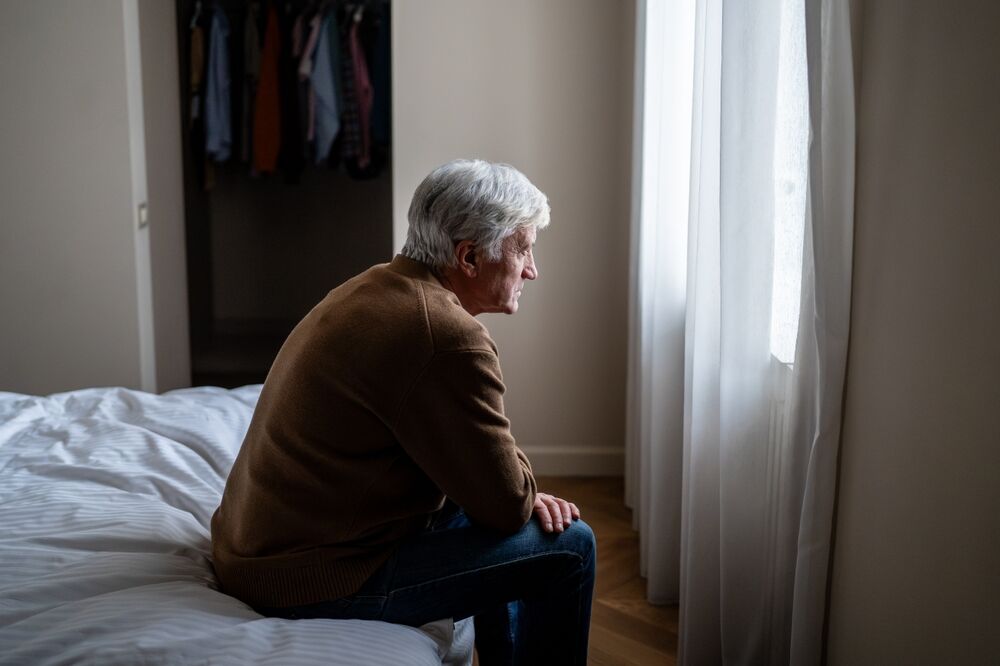
We know how important it is for our loved ones to maintain their independence as they age and stay in their own homes for as long as they wish and can take care of themselves safely. This determination to stay independent, though, can lead to many elderly people living alone.
Seniors living alone can begin to feel loneliness and social isolation. While unpleasant on their own, research has linked loneliness and social isolation to a variety of physical and mental health ailments, including increased risk of heart disease, high blood pressure, a weakened immune system, dementia, stroke, anxiety, and depression. Loneliness prevention is key, and the best way to start helping your loved ones is knowing the signs.
Signs of Loneliness in Elderly Adults
Some signs of loneliness to watch for in your elderly loved ones who live alone are:
- A retreat from social life, or a loss of interest in activities and hobbies they once enjoyed. When the shift from naturally stepping back from exhausting activities to actively avoiding social interactions becomes apparent, it is time to step in.
- Loss of appetite, no longer interested in food, or inexplicable weight changes. Healthy nutrition is important in all life stages, but especially for the elderly. Not eating can lead to a host of health problems, and it is also an urgent sign of depression.
- Drastic changes in mood or suddenly feeling overwhelmed by everyday life can be warning signs of loneliness and depression. Even the little things, like taking out the trash, start to feel unmanageable when a person is feeling disconnected or unsupported.
- Confusion, trouble finding the right words, or increased cognitive decline. If your loved one seems to forget details, lose the threads of conversations, or has trouble remembering words, it could be a sign of loneliness.
- Fatigue or unexplained aches and pains. Our bodies hold on to our emotions, and those feelings can manifest as intense fatigue or aches and pains. So if the back and knees feel extra painful even though there was no injury or change in routine, it could be a sign of loneliness or depression. Changes in sleep patterns can also be a sign something is going on mentally – not enough sleep, too much sleep, or feeling exhausted even with the right amount of sleep can all indicate something is not right.
So if you have concerns for an elderly loved one living alone, what can you do about it?
How to Reduce Social Isolation in Elderly Adults
One of the best and easiest ways to combat social isolation in seniors is simply to pay attention and show that you care. Show up and spend time with your loved one. Put your devices away and listen to each other. Ask open-ended questions, ask them to share memories, and really listen. Play card or board games, work on a puzzle, or even watch your favorite movies and TV shows. The time together is what matters.
Some other ways to help defeat loneliness in your elderly loved ones are:
- Technology: Help your loved one set up Zoom meetings or FaceTime calls so they can interact with friends and family who are far away or who just can’t stop by.
- Program and support groups: Senior centers, community centers, and even your local libraries often have programs specifically for seniors. They can be anything from social gatherings to art classes. Some could even include trips to museums, entertainment, or other fun locations.
If the signs of isolation increase or worsen even with your efforts, it may be time to speak to your loved one’s primary care provider. They can determine if more intervention is necessary. The feelings of loneliness and depression could be a side effect of a medication, or they could be caused by a physical ailment. Your PCP may recommend speaking to a mental health professional like a psychiatrist or counseling psychologist, or they may suggest medication.
The biggest takeaway is to pay attention to your loved one’s mental well-being in addition to their physical well-being. Early intervention is key in both instances and will lead to a healthier, more fulfilling life for both your loved one and you.
To learn about our home care services, contact our caregiving team today at 1-800-GRISWOLD or find a Caregiver near you.
Subscribe
Date: 2026-08-27
Category:

