
Old People Smell: Does Body Odor Increase With Age?
Category:
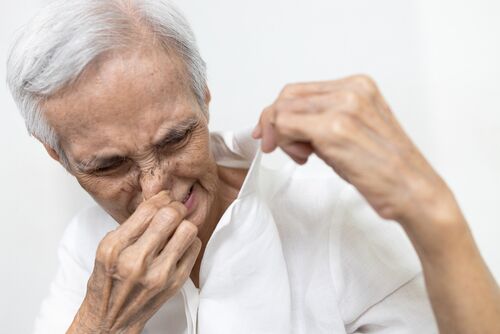
Does body odor change as you get older? You may notice unique smells associated with older people, but that doesn’t necessarily mean that older adults smell “bad.”
In this post, we will review the science behind age-related body odor and answer questions such as:
- Does your body odor change as you age?
- Why do older people’s homes sometimes develop distinctive smells?
- How can you reduce age-related body odor?
Why Do Old People Smell?
Does body odor increase with age? Not necessarily.
Changes in body odor can occur as people get older, but this doesn’t mean that everyone develops an unpleasant smell.
Sometimes, changes in personal hygiene routines can contribute to stronger odors. Physical disabilities, reduced mobility, or difficulty performing daily activities may prevent older adults from bathing or changing clothes as frequently as they would like.
Following a personal hygiene checklist for elderly adults can help seniors and Caregivers maintain consistent hygiene routines.
When bathing becomes difficult, families may also benefit from learning how to get an elderly person to bathe while respecting their comfort, privacy, and independence.
Maintaining hygiene is important for more than managing body odor. Understanding the consequences of poor hygiene in elderly adults can help Caregivers recognize potential skin problems, infections, and other health concerns.
However, older people can also develop a different natural body odor as they age.
Research has identified a compound called 2-nonenal, which may contribute to age-related body odor.
As we get older, changes in the composition and oxidation of skin oils can lead to the production of this compound. Nonenal has been described as having a grassy or greasy odor.
These changes are associated with the natural aging process and do not necessarily indicate poor hygiene.
Additionally, our skin changes with age, including changes in moisture levels, oil production, and its protective barrier. Understanding elderly skin care can help older adults maintain healthy skin and manage common age-related concerns.
Certain medical conditions, medications, and skin disorders may also affect body odor. A sudden or unusual change in body odor should be discussed with a healthcare professional, particularly when accompanied by other symptoms.
How to Get Rid of Old People’s Smell in the House
Getting rid of age-related household odors isn’t always as simple as bathing more frequently.
Body oils, perspiration, clothing, bedding, and poor ventilation can all contribute to lingering smells in the home.
While nonenal is not easily removed with water alone, regular cleaning and good hygiene can help reduce unwanted odors.
Some practical methods include:
- Air out living areas: Open windows when weather and air quality permit, and use ventilation to improve airflow. Warm, stuffy environments can make lingering odors more noticeable.
- Wash clothing regularly: Use suitable laundry detergents to remove body oils, perspiration, and other residues that can contribute to odors.
- Keep bedding clean: Air out bedding between uses and wash sheets, pillowcases, and other washable items according to their care labels.
- Maintain regular household cleaning routines: Pay particular attention to frequently used furniture, bathrooms, bedrooms, and areas where moisture may accumulate.
For older adults who find household chores physically challenging, light housekeeping and cleaning help for seniors can help maintain a comfortable and hygienic living environment.
How to Get Old Person Smell Out of Furniture
As we stated in the previous section, removing age-related odors isn’t always as simple as wiping down a surface.
Furniture, upholstery, and other household materials can absorb body oils and odors over time.
However, there are several steps you can take to keep furniture clean and reduce lingering smells.
These include:
- Clean upholstered furniture regularly: Vacuum cushions, chairs, and sofas to remove dust and debris. Follow the manufacturer’s instructions when using upholstery cleaners.
- Wash removable covers: If furniture has washable cushion covers, clean them according to their care labels.
- Clean wooden furniture carefully: Use cleaning products designed for the specific surface and pay attention to edges, corners, handles, and frequently touched areas.
- Use appropriate odor-removing products: Choose products suitable for the material being cleaned, and test them on a small, inconspicuous area first.
- Improve ventilation: Allow cleaned furniture to dry completely and maintain good airflow to help prevent moisture-related odors.
Avoid using bleach solutions on furniture unless the manufacturer specifically recommends them. Bleach can damage certain materials, and mixing it with other cleaning products can produce dangerous fumes.
Older adults who need additional assistance maintaining their homes may benefit from homemaking services for seniors, which can help with everyday household tasks and support a cleaner living environment.
Download Our Bath Safety Guide
Other Ways to Minimize Old People’s Smell
Finally, older people can help minimize unwanted odors by maintaining healthy daily routines.
Some helpful activities include:
- Stay hydrated: Drinking adequate fluids supports overall health, although there is limited evidence that drinking more water directly eliminates nonenal-related body odor.
- Maintain a balanced diet: Eating nutritious meals supports skin health and general well-being. Claims that green tea or persimmon extracts eliminate age-related body odor have limited clinical evidence.
- Exercise regularly: Physical activity supports overall health, mobility, and independence. Remember to shower or wash after activities that cause sweating.
- Manage stress: Stress can influence perspiration and personal care habits, so relaxation techniques and healthy routines may be helpful.
- Bathe regularly using gentle products: Choose mild cleansers and avoid harsh scrubs that can irritate older skin. Gentle cleansing and moisturizing can help maintain skin comfort.
Understanding the hygiene needs for the elderly can help seniors and Caregivers establish routines that support cleanliness without damaging sensitive skin.
For older adults who need help with bathing, dressing, grooming, or other daily activities, personal care for seniors may provide additional support while helping maintain independence and dignity.
Ultimately, age-related changes in body odor are a natural part of growing older for some people. With appropriate personal hygiene, skin care, and household cleaning, seniors and their families can maintain a fresh, comfortable living environment.
To learn more about our home care services, contact our caregiving team today at 1-800-GRISWOLD or find a Caregiver near you.
Subscribe
Date: 2022-02-23
Category:

