
Measles and the Elderly
Category:
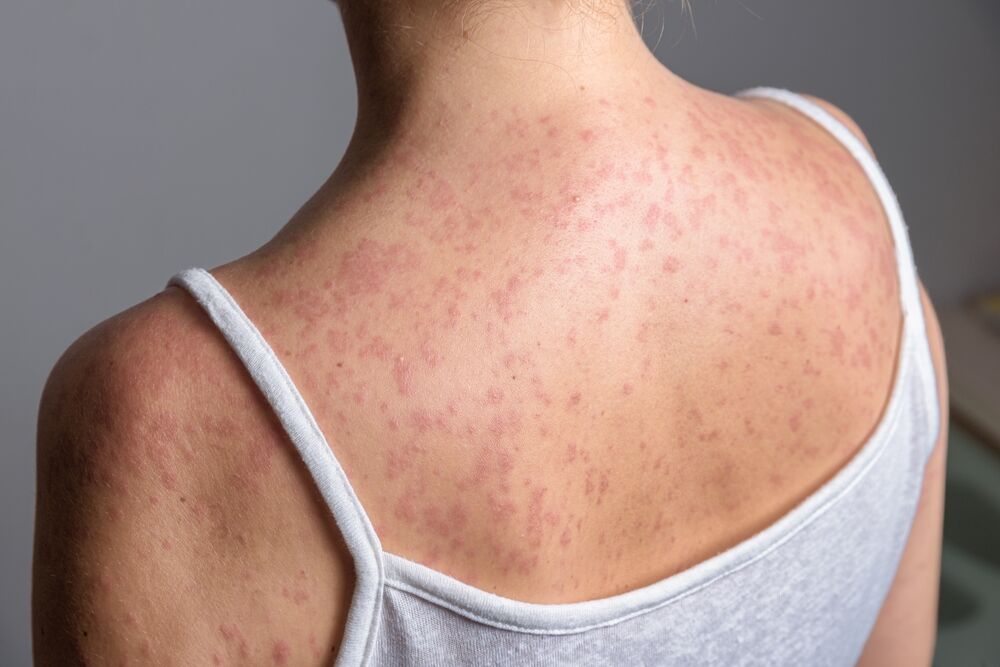
Measles is a highly contagious viral disease that causes fever, rash, cough, and red eyes. It can also lead to severe complications, such as pneumonia and brain inflammation. It’s already pretty dangerous for any age, but measles in older age can have its own share of complications. In this post, we’ll review some questions you may have about measles and the elderly.
Can Older Adults Get Measles?
Yes, older adults can get measles. Although it is often considered a childhood illness, anyone who is unvaccinated or lacks immunity can become infected.
Is Measles Dangerous for Elderly?
Measles in the elderly can result in greater risk for serious complications, such as pneumonia, brain inflammation, and other potentially life-threatening conditions.
What Are the Symptoms of Measles in Older Adults?
Symptoms of measles can look the same for any age, but the relationship between measles and seniors can get problematic. Symptoms include:
- High fever
- Cough
- Runny nose
- Red or bloodshot eyes
- Sore throat
- Koplik’s spots (red spots with white centers in the mouth)
- Rash
- Fatigue
- Headache
- Muscle Aches
- Digestive symptoms (e.g. diarrhea, stomach pain, vomiting)
What Are the Causes of Measles?
Measles is caused by a highly contagious virus that spreads primarily through the air. When an infected person coughs, sneezes, talks, or even breathes, virus-containing particles can linger in the air for up to two hours and infect others who enter the area.
People can contract measles through close contact with an infected person, by touching contaminated surfaces and then touching their eyes, nose, or mouth, or, in rare cases, from a pregnant parent to their baby during pregnancy or delivery.
How Do You Vaccinate Measles in Elderly?
The measles vaccine is typically administered as part of the MMR vaccine, which protects against measles, mumps, and rubella.
Do All Older Adults Need to Get Vaccinated Against Measles?
Most adults over age 65 do not need a measles vaccination. According to the CDC, people born before 1957 are generally considered immune because they were likely exposed to the virus during childhood. Adults who have received two doses of the MMR vaccine are also considered protected and typically do not need additional vaccination.
How Do You Protect Against Measles in Older People and Their Loved Ones?
Older adults born after 1957 who have not received a measles vaccine should consult their healthcare provider about their vaccination options.
Why Should You Consider Vaccinating Against Measles in Old Age?
Although many older adults are already protected against measles, vaccination may be worth discussing with your healthcare provider if you are unvaccinated or unsure of your immunity status. Potential benefits include:
- Protection during outbreaks. Measles outbreaks continue to occur, particularly in areas with lower vaccination rates. Vaccination can help reduce the risk of infection and serious illness.
- Lower risk of complications. Older adults are more likely to experience severe complications from measles, including pneumonia and brain inflammation.
- Community protection. Getting vaccinated helps limit the spread of measles and protects vulnerable individuals who may be unable to receive the vaccine themselves.
To learn about our home care services, contact our caregiving team today at 1-800-GRISWOLD or find a Caregiver near you.
Subscribe
Date: 2026-06-23
Category:

