Living with Gastroparesis: Diet and Meal Plan
Category:
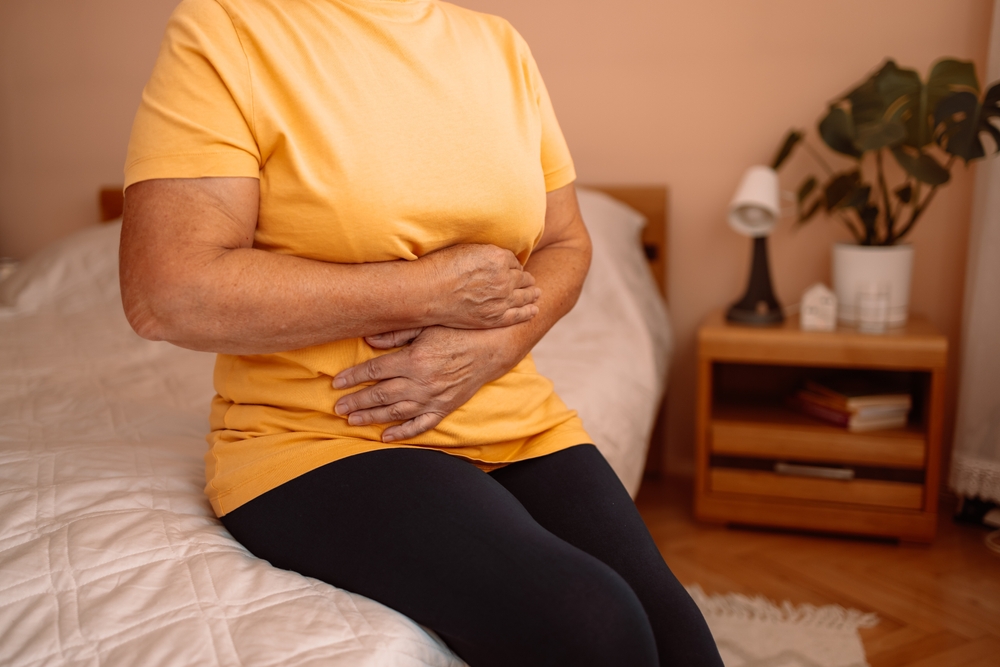
Gastroparesis slows or stalls the stomach’s ability to move food along, which can lead to nausea, pain and trouble getting proper nutrition.
While there’s no cure, diet changes can make a real difference. So, what can a person with gastroparesis eat? In this post, we’ll give you the tools you need to form your gastroparesis sample meal plan.
Download Our FREE Guide to Heart Health
Symptoms of Gastroparesis
Before we get into the best diet for gastroparesis, let’s take a closer look at gastroparesis. While living with gastroparesis, one will experience numerous symptoms. These include:
- Bloating
- Constipation
- Changes in blood sugar levels
- Feeling full quickly and/or for a long time
- Heartburn/acid reflux
- Indigestion
- Loss of appetite
- Pain in the upper abdominal area
- Regurgitating whole pieces of undigested food
- Vomiting and nausea
- Weight loss/malnutrition
We now know more about the symptoms of gastroparesis but what can someone with gastroparesis eat? We’ll review easily digested foods for gastroparesis to help you form your gastroparesis diet plan.
What Is a Good Diet for Gastroparesis?
Some healthy foods for gastroparesis include:
- Beverages. Decaf coffee; decaf tea; sports drinks; water.
- Condiments. Apple butter; barbecue sauce; honey; ketchup; low-fat/fat-free dressings; low-fat/fat-free margarine; low-fat/fat-free mayo; low-fat/fat-free spreads; mustard; seedless jams/jellies; syrup.
- Dairy. Fat-free/low-fat cheese; fat-free/low-fat cheese; fat-free/low-fat pudding; fat-free/low-fat yogurt.
- Fruit. Apples/pears peeled; canned fruits without skins (applesauce, peaches, pears, mandarin oranges); fruit juice; ripe bananas; seedless melon.
- Grains. Cream of rice; cream of wheat; instant oatmeal; low-fat/low-fiber crackers; low-fiber cereal; pretzels; rice cakes; seedless breads/rolls; white bread; white rice; grits.
- Protein. Eggs/egg whites; lean fish; lean meats; pureed low-fat beans/hummus; reduced-fat creamy peanut butter; skinless poultry.
- Soups. Broth-based soups; low-fat dairy–based soups.
- Sweets. Angel food cake (low-fat/fat-free); frozen yogurt; gelatin; Italian ice; low-fat/fat-free ice cream; sorbet.
- Vegetables. Asparagus tips; carrots; cooked mashed cauliflower; cooked spinach; finely cooked onions; mashed avocado; potatoes (no skin); roasted skinless peppers; strained tomato sauce; summer squash; well-cooked skinless beets; well-cooked skinless squash varieties; yams.
Additionally, there are some foods for gastroparesis you should avoid, which we will review in the next section.
What Foods Should You Avoid in Your Gastroparesis Diet?
Some foods you should avoid in your gastroparesis meal plan include:
- Beverages. Alcohol; carbonated beverages.
- Condiments. Butter sauces; creamy/full-fat sauces; lard.
- Dairy. Any full-fat dairy; 2% dairy; cream; half-and-half.
- Fruit. Apple/pear skins; berries; canned fruit with skins (cherries, apricots); coconut; dried fruit; kiwi; oranges; plums; raw fruit; rhubarb.
- Grains. Bagels; bran cereals; Chinese noodles; dense/compact starches (gnocchi, tortellini, dumplings, thick pizza crust); granola; high-fiber grains (>2g); rolled oats; steel-cut oats; shredded wheat; whole-grain breads/pastas/crackers.
- Protein. Bacon; black beans; black-eyed peas; bologna; canned beef; chunky/full-fat nut butter; duck; fava beans; fibrous meats; fish packed in oil; garbanzo beans; goose liver; hot dogs; kidney beans; navy beans; nuts; olives; pinto beans; popcorn; pumpkin seeds; salami; sausage; spare ribs; soybean/whole soybeans.
- Soups. Full-fat milk-based soups; cream-based soups; soups containing vegetables/proteins on the avoid list.
- Sweets. High-fat cakes; high-fat cookies; high-fat pies; other high-fat desserts.
- Vegetables. Any raw vegetables; asparagus stalks; cabbage/sauerkraut; celery; corn; eggplant; leeks; mushrooms; peas/pea pods; potato skins; cooked vegetables with skin; Brussels sprouts; water chestnuts.
Now that we know more about choosing a healthy gastroparesis diet
Other Tips for Gastroparesis
In addition to choosing the right gastroparesis meals, a few simple habits can help reduce symptoms:
- Choose smaller, more frequent meals. Aim for 5–6 small meals daily; many people tolerate solids better earlier in the day and lighter/liquid meals in the evening.
- Break down food thoroughly. Chew to mashed-potato consistency; puree or grind foods if needed; thin solids with liquid when blending.
- Stay well-hydrated. Sip small amounts throughout the day; aim for ~6–10 cups unless your provider advises otherwise; avoid gulping; consider liquid supplements like Ensure or Boost if calories/protein are low.
- Keep your body upright after eating. Sit up while eating and for at least an hour afterward; light activity like walking can help stomach emptying.
- Boost meals with easy protein. Add nonfat powdered milk, protein powders or powdered egg to foods; examples include mashed potatoes, scrambled eggs, pudding, custard, hot cereals and soups.
- Maintain steady blood sugar levels. High blood sugar slows stomach emptying; if you have diabetes, keep levels in target range with help from your healthcare provider.
To learn about our home care services, contact our caregiving team today at 1-800-GRISWOLD or find a Caregiver near you.
Subscribe
Date: 2025-12-02
Category: