
Companion Care for Seniors: Benefits, Emotional Support & Quality‑of‑Life Impact
Category:
Does this situation sound familiar: your elderly parent or loved one is living alone in their own home. They are physically healthy, remember to take their medications, and can take care of themselves. But you worry. They don’t leave the house very often. You encourage them to call their friends or other family members, but they say their cell phone is too complicated. They seem lonely and you worry they are going to become depressed. You call and visit as much as you can, but you have your own family to take care of and you’re just so busy.
What you and your loved one need is senior companion care.
What is Companion Care for Seniors?
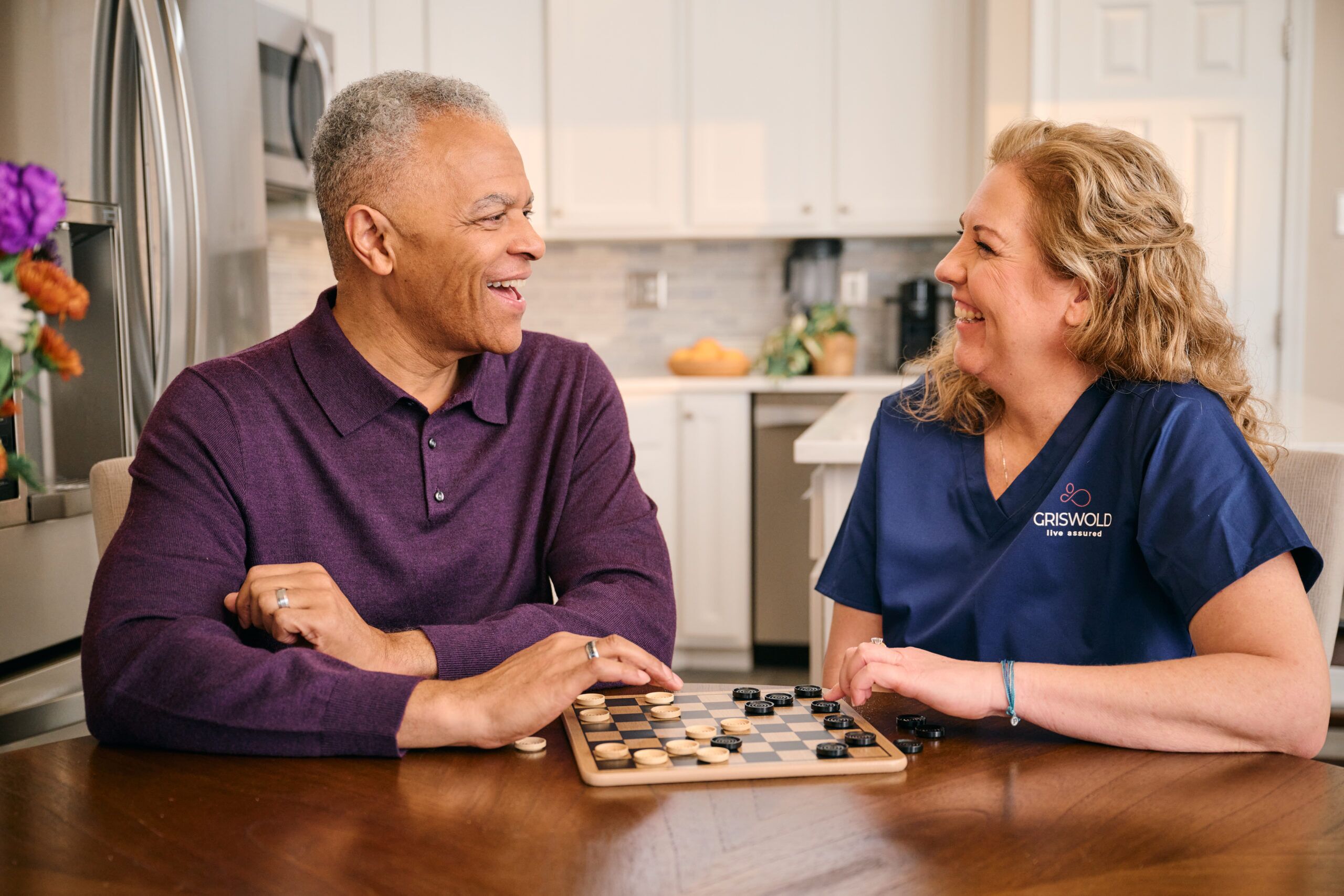
Companion care for seniors is basically exactly what it sounds like: companionship for elderly adults. It is a great solution to combat your loved one’s loneliness while taking some of the pressure off of you. Companions for seniors visit and help your loved one stay emotionally, mentally and physically active. They may play card or board games with your loved one, join them on a walk, or simply spend some time chatting with them. They can help with cooking and light housekeeping. They can join your loved one while running errands, remind them to take medications and drop them off at doctor’s appointments or other events.
Elderly companion care differs from personal care in that it does not include any “hands on” assistance – for example, a companion would not help your loved one bathe or get dressed in the morning (with exceptions for simple things like putting on a jacket or tying shoes). They do not assist with Activities of Daily Living, like hygiene, eating, or toileting. They are specifically for elderly companionship and emotional support.
Benefits of Companionship for Seniors
The most important benefit of companionship care for seniors is that it combats loneliness. Studies show that 1 in 3 older adults feel lonely or isolated, two key factors that lead to senior depression. We also know that depression impacts physical health – a person struggling with depression is at a higher risk of heart problems, stroke, and even death. So, combating feelings of loneliness and isolation is of utmost importance for our aging loved ones.
Other benefits of elderly companion care include:
- Supporting cognitive health – word, card or board games, puzzles, and even just stimulating conversation all improve mental sharpness and aid in preventing cognitive decline
- Encouraging movement – we can probably all agree it is more fun to get up, go outside, and do things with another person – whether that is a walk around the block, a trip to the store, or even just standing up, walking around the room and stretching
- Provides practical help – keeping up with the housework can be a lot for any one person living alone, and a companion can help with things like dishes, vacuuming, and other light cleaning
- Giving family members peace of mind – knowing you are not alone with it comes to caregiving provides a huge relief to family members and helps prevent burnout
Elderly companion care is an excellent, relatively less expensive option to help combat senior loneliness and provide families peace of mind. If you are worried your loved one is feeling isolated, don’t be afraid to chat with them about some companionship – it will be to everyone’s benefit.
To learn about our home care services, contact our caregiving team today at 1-800-GRISWOLD or find a Caregiver near you.
Subscribe
Date: 2026-09-17
Category:


