
The Rise of Digital Home Care: Tools, Devices & Technology That Support Caregivers
Category:
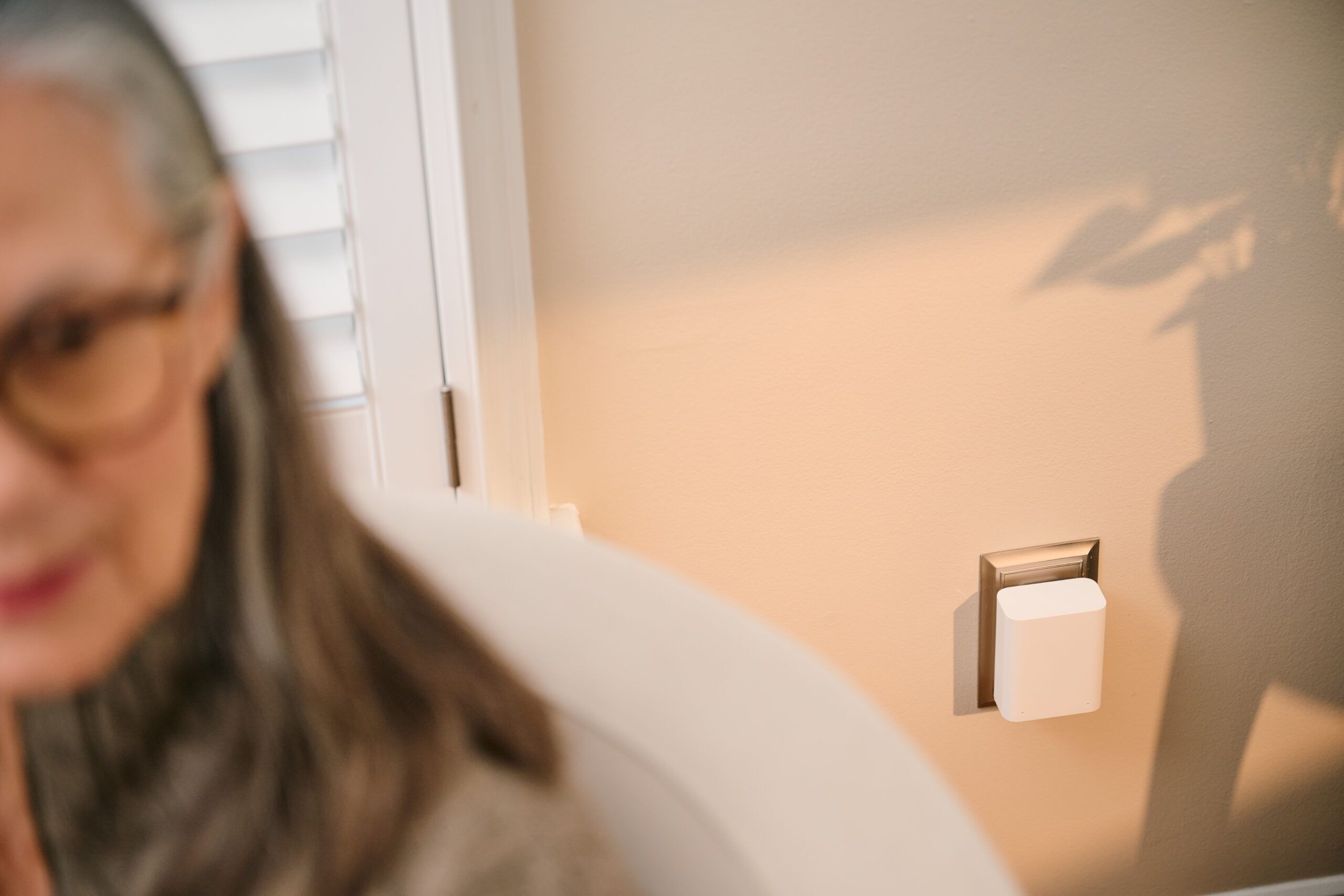
Technology is a huge part of our lives – almost all of us are carrying a computer around in our pockets, after all, which we use to look at cute cats on the internet.
So while you are certainly aware of the myriad of technology you use every day, you might not realize how much home care technology is out there. This technology for in-home care assists both caregivers and seniors, and provides support and peace of mind for both.
What is Home Care Technology?
Home care technology includes devices, apps and other monitoring tools that help seniors stay safe, healthy and independent at home. The technology is not meant to replace human caregivers. Rather, it provides tools both seniors and caregivers can use together.
There are so many types of care technology that have countless different functions. From home care monitoring software to smart watches to well-known tools like LifeAlert, there is a piece of technology that can give you and your senior loved one support and peace of mind.
Examples of In Home Care Technology
You may remember the old commercials with the tagline, “There’s an app for that.” When it comes to in home care technology, it might be more accurate to say, “there’s a tool for that.” Some of those tools can include:
- Fall detection devices – these often look and act like watches, but more importantly, they send out an alert when they detect a fall. An Apple watch can be set to call a specific person. Other fall detection or medical alert devices call a company or service that can send emergency services and contact family members. Often these devices can also provide medication or other reminders throughout the day. An Alexa device can be set up to work similarly, with the cue “Alexa, call for help,” which will connect the speaker with a live human who can offer advice and call emergency services.
- Smart pill dispensers – A color-coded pill box is all well and good until you forget to refill it at the beginning of the week, or you don’t have the dexterity you need to open the tiny sections. Smart pill dispensers can hold up to 90 days of medication, keep them separated and organized, and send out audio and visual reminders when it’s time to take the medication. Some can also add reminders to take pills that aren’t in the dispenser itself.
- Security systems – Security systems, particularly those with cameras and remote locks, are very helpful for seniors. A doorbell camera with a speaker and a remote lock can prevent lengthy and unnecessary walks to the front door to grab a delivery, allow entry to a visitor, or send away a solicitor. Some systems can also be linked to a company monitored by live humans who can call you or a designated caregiver if they detect something is amiss.
- Smoke detectors and water-leak sensors – Smart smoke and carbon monoxide detectors feature a loud alarm along with flashing lights for the hearing impaired. They can also send phone alerts to the homeowner, friends or caregivers. Some connect directly to your Ring app, if that is the system you are also using for security. A water leak sensor is valuable both for the elderly and for those heading out on a long vacation.
- Indoor cameras – Indoor cameras let you keep an eye on your loved one and communicate with them, since they almost all come with a speaker and a microphone. They can be set up to alert you to movement or record as needed. While they are an extremely useful tool, they should always be used with the consent of your loved one and any outside help that comes in to the house.
Just like the Smart phones in our pockets, digital home care is always evolving, changing and progressing. Don’t be afraid to investigate your options to support your loved ones and their caregivers.
To learn about our home care services, contact our caregiving team today at 1-800-GRISWOLD or find a Caregiver near you.
Subscribe
Date: 2026-10-29
Category:

