
Causes of Weight Loss in Elderly Adults
Category:
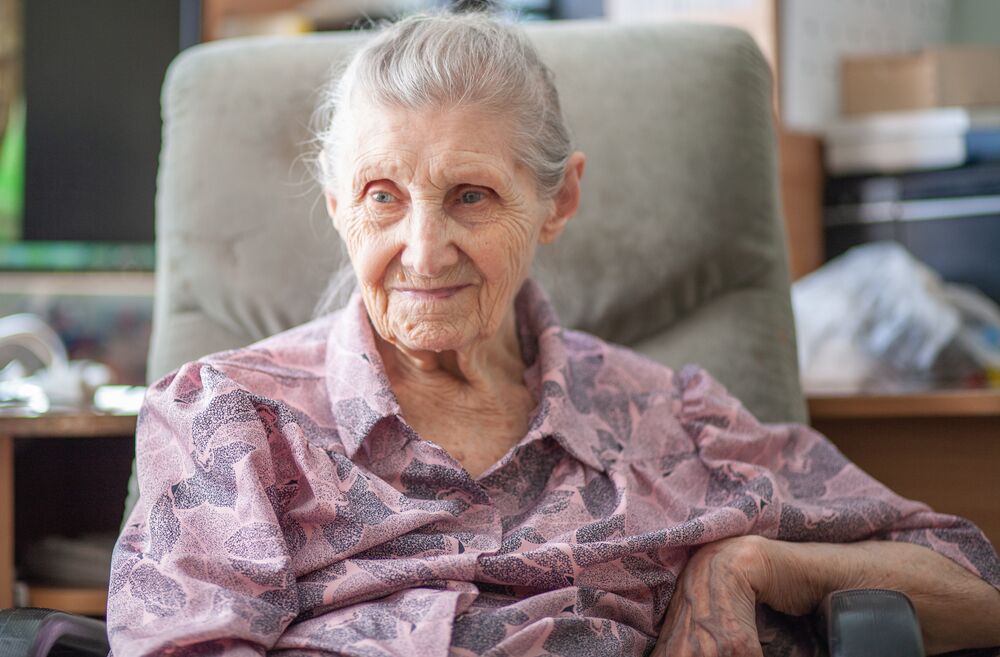
Unintentional weight loss is common among seniors who live at home, and it can have a serious effect on their ability to function.
If left unchecked, rapid weight loss in the elderly is associated with an increased mortality by as high as 38% within 1 to 2.5 years. The causes of weight loss in elderly adults can vary from the natural side effects of aging to serious physical or psychological problems that require the help of a medical team.
In this post, we’ll help you to understand when an elderly person losing weight is cause for concern and how to properly address sudden weight loss in seniors.
Download Our FREE Guide to Heart Health
Why Do the Elderly Lose Weight?
Even healthy older adults experience a natural reduction in appetite and food intake, sometimes referred to as the “anorexia of aging.” Generally speaking, our total body mass tends to peak at 60 years old, with small decreases of under half a pound every year after we turn 70.
In other words, a small amount of weight loss in old age over time is not an immediate cause for concern. However, sudden or rapid weight loss in seniors is where things can become very serious, very quickly.
Sudden Weight Loss in Elderly
“Unintentional weight loss” is the involuntary loss of at least 5% body weight within six to 12 months, and occurs in 15% – 20% of seniors. This rapid weight loss in elderly patients is associated with functional decline, increased in-hospital morbidity, and increased overall mortality. For women, it also increases the risk of hip fracture.
Causes of Weight Loss in Elderly Adults
Causes of weight loss in older adults can be broken down into a few classifications:
- Adverse Effects of Medication – an often overlooked cause of weight loss in elderly people, the concurrent use of multiple medications has been shown to interfere with taste and can cause anorexia
- Nonmedical – weight loss caused by social conditions such as poverty, alcoholism, isolation, financial constraints, and other nonmedical barriers to obtaining food
- Organic – normal age-related weight loss; weight loss caused by malignancy, and nonmalignant gastrointestinal diseases
- Psychiatric – weight loss experienced as a side effect of conditions like depression or dementia
- Unidentified – in 16% to 28% of patients no identifiable cause for unintentional weight loss is determined, even after extensive research
For years, physicians have used the mnemonic device MEALS ON WHEELS to remember the causes of weight loss in elderly people:
- Medication Effects
- Emotional
- Alcoholism
- Late life paranoia
- Swallowing problems
- Oral factors (tooth loss or poor fitting dentures)
- Nosocomial infections (tuberculosis, pneumonia)
- Wandering and other dementia-related factors
- Hyperthyroidism, hypercalcemia, hypoadrenalism
- Enteral problems
- Eating problems (inability to feed oneself)
- Low salt, low cholesterol, and other therapeutic diets
- Social isolation
Another mnemonic tool you can use is the 9 D’s of weight loss in the elderly:
- Dementia
- Dentition
- Depression
- Diarrhea
- Disease (acute and chronic)
- Drugs
- Dysfunction (functional disability)
- Dysgeusia
- Dysphagia
Managing Elderly Weight Loss
Treatment of rapid weight loss in the elderly should focus on diagnosis of the underlying cause. Your medical team may suggest dietary changes, environmental modifications, nutritional supplements, flavor enhancers, and appetite stimulants.
Modifications to the diet usually focus on prioritizing healthy high calorie foods for older adults, softer foods to accommodate chewing or swallowing issues, and the use of nutritional supplements to provide extra calories during scheduled meals.
To learn more about our home care services, contact our caregiving team today at 1-800-GRISWOLD or find a Caregiver near you.
Subscribe
Date: 2026-04-09
Category:


