
Cardio Exercises for Seniors
Category:
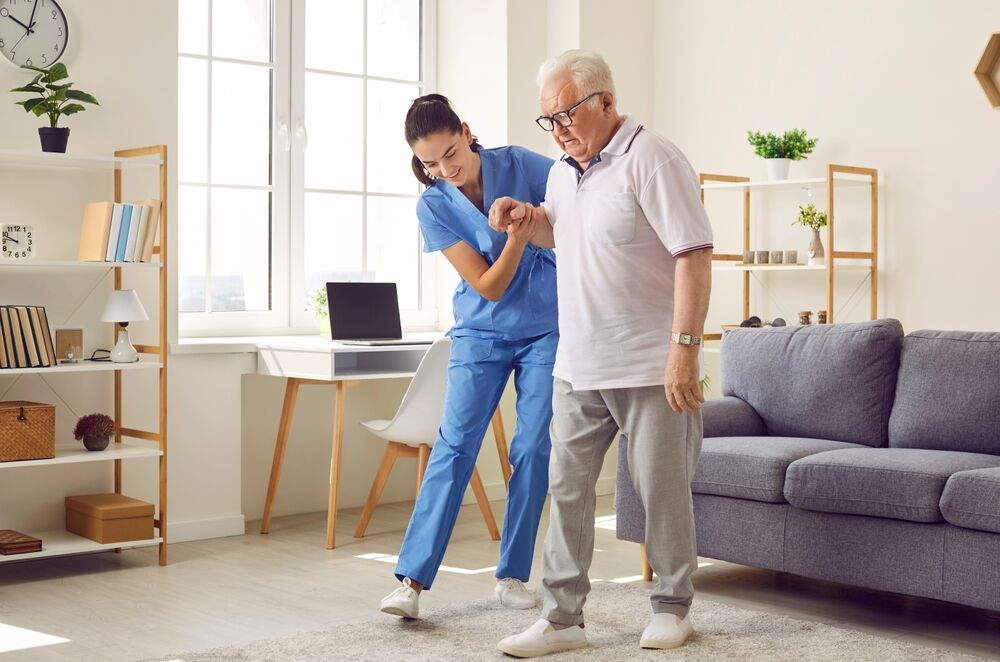
As we get older, exercise becomes of the utmost importance.
Incorporating aerobic activity into your daily routine is an easy way to get your body moving — and your heart healthy. In this post, we’ll review what you need to know about cardio for older adults, including:
- The importance of cardio for the elderly
- Keeping cardio exercises for the elderly safe
- Examples of aerobic exercise for seniors
- Examples of low-impact cardio exercise for seniors
- The appropriate frequency of cardio for the elderly
Download Our FREE Guide to Home Safety
What Is the Importance of Cardio Exercises for Seniors?
Cardio exercises have a variety of benefits for older adults. They include:
- Improved cardiovascular health
- Improved body composition, including increased muscle mass, increased bone mineral density, and reduced body fat
- Improved glucose metabolism
- Improved blood glucose control
- Improved resting blood pressure
- Better blood pressure response to physical activity
- Lower resting heart rate
Next, we’ll take a look at how to keep a cardio workout for the elderly safe.
How Do You Keep Cardio for Seniors Safe?
Safety is of the utmost importance for cardio, and you should always consult your healthcare professional before beginning an exercise program. After receiving your doctor’s approval, keep these tips in mind:
- Start slow and gradually increase intensity
- Always warm up before exercise
- Always cool down after exercise
- Wear supportive, appropriate footwear
- Stay well-hydrated during activity.
But how often should cardiovascular exercises for seniors be performed? We’ll review that in the next section.
How Often Should Older Adults Do Cardio?
Older adults should aim to incorporate cardio into their routine on a regular basis, making it a consistent part of a healthy lifestyle. About 150 minutes of moderate activity each week can foster independent living, support heart health, and build stamina over time.
However, it is also key to approach it thoughtfully. As stated above, be sure to prioritize safety, listen to your body, and check in with your healthcare provider before starting anything new. With the right balance and consistency, cardio can become a rewarding and sustainable part of your routine.
In the next few sections, we’ll review some cardio exercises for seniors at home and in nearby neighborhoods.
What Are Examples of Aerobic Exercises for the elderly?
Some healthy aerobic exercises for seniors include:
- Aqua aerobics
- Circuit-style strength training
- Combined strength and cardio intervals (e.g., cycling on a recumbent bike between sets)
- Dancing
- Gardening
- Sports such as tennis or basketball
- Stationary or recumbent biking
- Swimming
- Treadmill walking
Next, we’ll review some low-impact cardio workouts for seniors.
What Are Examples of low-impact cardio exercises for Seniors?
Sometimes, you need an exercise that is easy on the joints. Examples of these low-impact exercises include:
- Walking: This is one of the simplest and most effective forms of cardio, requiring no special equipment and easily done almost anywhere. It helps improve heart health, bone density, and balance.
- Swimming: Going for a swim provides a low-impact, full-body workout that is gentle on the joints while strengthening muscles through water resistance. It also supports cardiovascular health and flexibility.
- Cycling: Use a stationary or traditional bike to strengthen the lower body and improve coordination. It also supports stamina and joint mobility.
To learn about our home care services, contact our caregiving team today at 1-800-GRISWOLD or find a Caregiver near you.
Subscribe
Date: 2026-04-07
Category:
