Can Dementia be Caused by Alcohol?
Category:
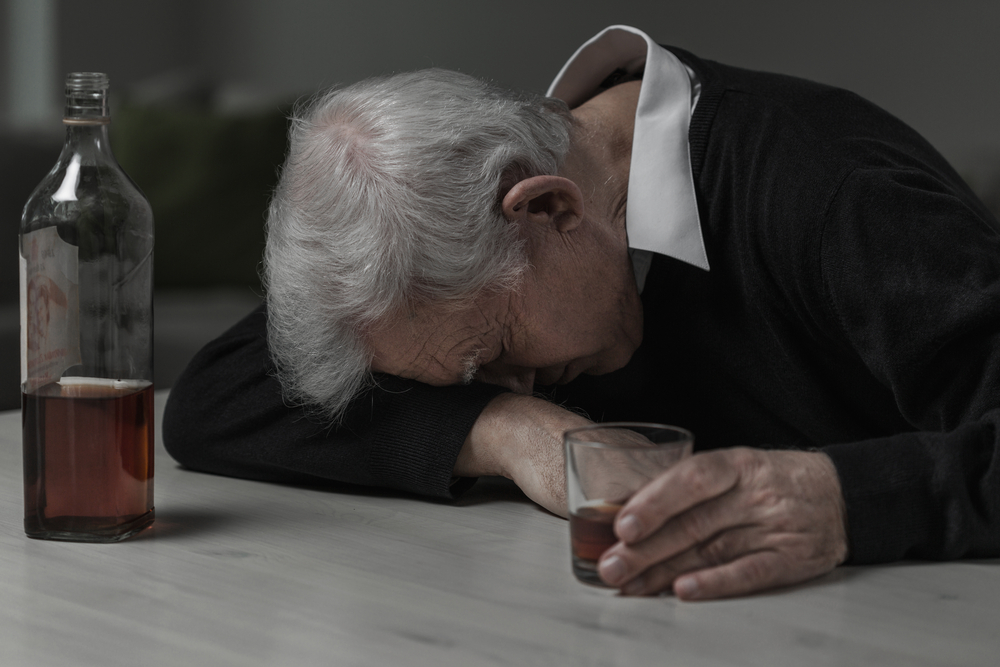
Years of heavy drinking can cause damage to the brain and possibly result in dementia.
But how exactly does this happen? Does drinking cause dementia? How does alcohol cause dementia? What are some alcohol-induced dementia symptoms? In this post, we’ll review what you need to know.
Download Our FREE Guide to Alzheimer’s
Can Dementia Be Caused by Alcohol?
Yes, frequent heavy drinking can lead to alcohol induced dementia. We’ll review more about this as we continue. Next, let’s answer the following question: What is dementia caused by alcohol?
What is Alcohol Induced Dementia?
Alcohol induced dementia is a form of dementia that develops when excessive drinking causes brain damage. Health care providers can recommend treatments to help manage your symptoms, and stopping alcohol use may allow you to regain some cognitive function. Having an occasional drink or two won’t cause dementia. The brain damage linked to alcohol-related dementia usually results from years of heavy, unsafe drinking.
What Causes Alcohol Induced Dementia?
Drinking too much alcohol too often can lead to alcohol-related dementia, a condition caused by long-term damage to the brain. This type of drinking is very different from enjoying an occasional drink. The American Medical Association advises that those assigned male at birth limit themselves to no more than two standard drinks per day (no more than 14 per week) and those assigned female at birth to one per day (no more than seven per week).
A standard drink equals 12 ounces of beer with 5% alcohol by volume (ABV), five ounces of wine with 12% ABV, or 1.5 ounces of liquor at about 40% ABV. Consistently exceeding these limits can damage the nerves and blood vessels in your brain, and over time, this harm accumulates, destroying the nerve cells your brain relies on to control thought and movement. As those neurons die, you can begin to lose the functions governed by the affected parts of your brain.
What Are the Alcohol Dementia Stages?
The stages of alcohol induced dementia include:
Stage 1: Mild Cognitive Impairment.
Subtle changes in memory, attention, and problem-solving may appear. Most people remain independent, though close family or friends might notice minor cognitive differences.
Stage 2: Early-Stage Alcoholic Dementia.
Memory loss, trouble recognizing familiar faces or places, and difficulty concentrating or making decisions become more noticeable. Daily activities may start requiring professional help.
Stage 3: Mid-Stage Alcoholic Dementia.
Cognitive decline worsens with increased confusion, disorientation, and communication challenges. Emotional and behavioral symptoms like irritability, agitation, and mood swings are common.
Stage 4: Late-Stage Alcoholic Dementia.
This is the most advanced stage, marked by severe memory loss, inability to recognize loved ones, personality changes, and physical decline. Care focuses on slowing progression, maintaining comfort, and providing compassionate support.
Next, let’s look at the signs of alcohol induced dementia.
What Are Some Alcohol-Induced Dementia Signs and Symptoms?
Alcohol induced dementia symptoms include:
- Memory loss. Forgetting recent conversations, events, or where items were placed.
- Poor judgment and reasoning. Trouble making decisions, solving problems, or planning ahead.
- Difficulty concentrating. Easily distracted or unable to complete routine tasks.
- Language and communication problems. Struggling to find words, express thoughts, or follow multi-step directions.
- Behavioral and emotional changes. Increased irritability, impulsivity, aggression, anxiety, or apathy.
- Loss of motivation. Reduced drive to start or complete everyday activities, even essential ones.
- Emotional instability. Mood swings or sudden outbursts.
- Reduced Empathy. Difficulty understanding or responding to others’ feelings.
How Do You Treat Dementia Induced by Alcohol?
Treatment is not a one-size-fits-all narrative but can include the following:
- Detox and stabilization. The first phase lasts several weeks and focuses on stopping alcohol use and stabilizing health, often in a hospital setting.
- Managing withdrawal. Symptoms like confusion, mood swings, sweating, anxiety, agitation, and hallucinations are treated with medications that mimic alcohol’s effects and are tapered off safely.
- Medical support. Patients receive fluids, electrolytes, and high-dose thiamine (vitamin B1) injections to restore nutrition and prevent complications.
- Therapy and recovery support. Counseling, cognitive behavioral therapy (CBT), and support groups help manage stress, prevent relapse, and build healthy coping skills.
- Medications. Providers may prescribe drugs used for alcohol use disorder, such as naltrexone or acamprosate, or medications that address dementia-related symptoms.
To learn about our home care services, contact our caregiving team today at 1-800-GRISWOLD or find a Caregiver near you.
Subscribe
Date: 2025-10-08
Category: