Post-Surgery & Rehabilitation Care Support in Wilmington, NC
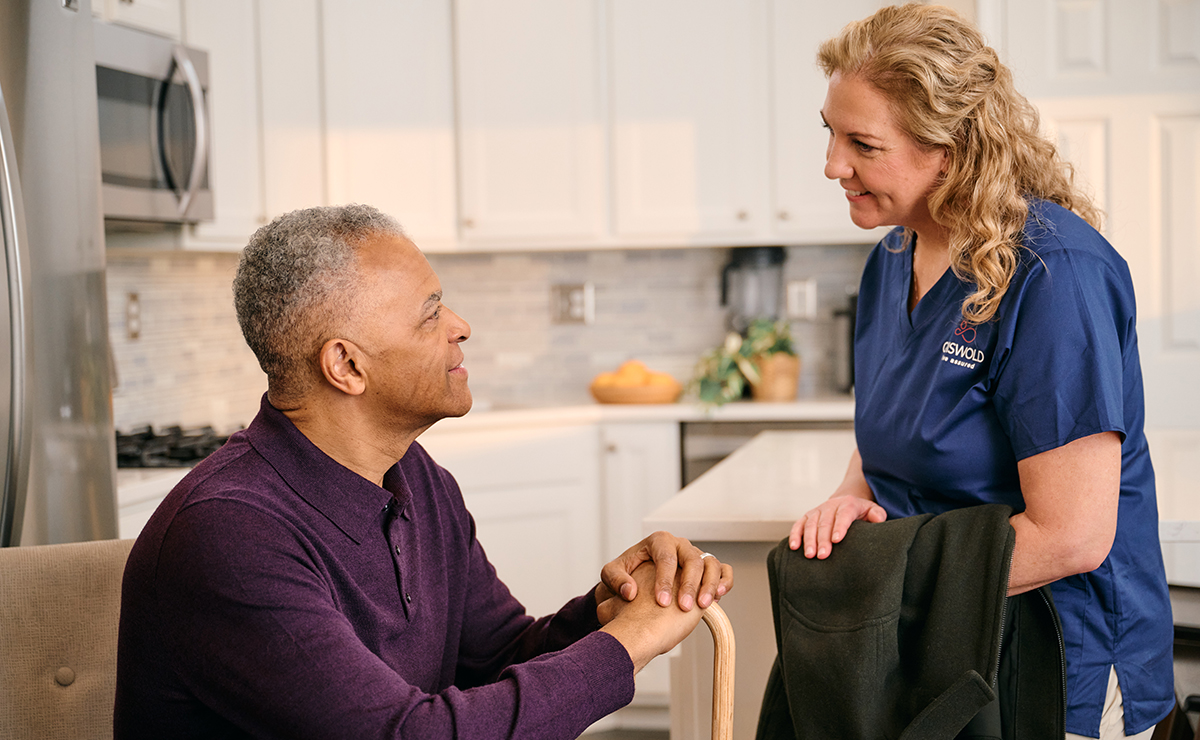
Recovering after surgery may temporarily make everyday routines more difficult. Griswold Home Care for Wilmington provides compassionate, non-medical post-surgery and rehabilitation care support in Wilmington, NC, helping individuals manage daily activities as they transition home after a hospital stay, outpatient procedure, or rehabilitation stay.
Care may be personalized around each person’s routines, abilities, preferences, and support needs during recovery.
Recover at Home With Post-Surgery Care and Support
Returning home after surgery may come with temporary changes in mobility, energy, and everyday routines. Tasks such as preparing meals, getting dressed, completing household chores, or traveling to follow-up appointments may be more difficult during recovery.
Caregivers may provide flexible, non-medical assistance based on each person’s needs and schedule. Support may range from a few hours of help with daily routines to more consistent assistance during the recovery period.
What Does Post-Surgical Care at Home Include?
Every surgical recovery is different. Caregivers may provide flexible, non-medical assistance with everyday tasks based on each person’s needs and recovery routine.
Care assistance may include:
- Transportation & Appointment Support. Where available, Caregivers may provide transportation to follow-up appointments, physical therapy visits, the pharmacy, and other necessary outings.
- Personal Care Assistance. Caregivers may assist with bathing, dressing, grooming, toileting, mobility, and other everyday routines.
- Homemaking Support. Light housekeeping, laundry, meal preparation, and other household assistance may help make daily routines more manageable.
- Companionship. A Caregiver may provide conversation, social interaction, and a reassuring presence during recovery.
- Medication Reminders. Caregivers may provide reminders based on an established medication schedule but do not manage or administer medications.
These non-medical services may complement post-surgical rehabilitation by providing practical assistance with everyday activities while individuals follow the care instructions provided by their medical team. Griswold’s home care services may be personalized around each person’s routines, preferences, and support needs during recovery.
Who Can Benefit From Rehabilitation Services After Surgery?
In-home recovery support may be helpful for individuals who need temporary assistance with everyday activities after surgery. You may want to explore post-surgery home care if you:
- Live alone or have family members who work or live out of town.
- Have temporary driving restrictions following surgery or while taking certain medications.
- Experience temporary balance, standing, or mobility limitations.
- Struggle to keep up with daily chores, cooking, or personal hygiene while healing.
- Are transitioning home after a hospital stay or short-term rehabilitation stay.
- Need additional support managing everyday routines during recovery.
Rehab After Surgery for Elderly Adults
Older adults may benefit from additional support at home as they return to their usual routines after surgery. Temporary changes in mobility, energy, or comfort may make activities such as bathing, preparing meals, completing household tasks, or getting to appointments more challenging.
Caregivers may provide non-medical assistance with these everyday needs while helping older adults maintain familiar routines and as much independence as possible during recovery.
Home Care vs. Clinical Post-Surgical Rehabilitation Services
It is important to understand how home care coordinates with your overall medical treatment plan. Clinical rehabilitation involves medical treatments, physical therapy, occupational therapy, wound care, and skilled nursing delivered by licensed healthcare professionals and therapists.
Non-medical home care focuses on assistance with daily routines, personal hygiene, meal preparation, light housekeeping, transportation, and medication reminders provided by trained Caregivers.
Griswold’s home care services do not replace clinical rehabilitation, skilled nursing, physical therapy, or other medical care. Instead, non-medical home care may provide practical assistance with everyday activities between appointments and throughout the recovery period.
Planning for Aftercare Before Your Surgery
Planning ahead for support at home may make the transition after surgery more manageable. Before your procedure, consider what assistance you may need with transportation, personal care, meals, household tasks, and other everyday routines.
Pre-Surgery Planning Checklist
- Confirm Transportation. Arrange transportation home from the surgical facility and confirm any discharge transportation requirements with your healthcare team in advance.
- Set Up the Home Environment. Clear walkways, set up a ground-floor resting area if stairs are difficult, and stock the kitchen with easy-to-prepare meals.
- Schedule Follow-Up Rides. Book transportation in advance for your post-op checkups and physical therapy sessions.
- Arrange Personal Care. Schedule Caregiver visits or explore available 24-hour care options if more consistent assistance with bathing, dressing, mobility, or other daily routines may be helpful.
- Review Your Discharge Instructions. Before returning home, make sure you understand the instructions provided by your healthcare team and identify any everyday activities for which you may need additional assistance.
Frequently Asked Questions About Post-Surgery Care
Below are answers to common questions about how post-surgery home care works and how Caregivers may support everyday routines during recovery.
How soon can post-surgery home care begin?
Care may be arranged around your discharge based on your needs, schedule, and local availability. Contacting the Wilmington team before surgery may provide more time to discuss available options and plan for support at home.
Can a Caregiver drive me home after surgery?
Transportation may be available depending on the care arrangement and local services. Because surgical facilities may have specific discharge requirements, families should confirm those requirements with the facility in advance.
Can Caregivers help with rehabilitation exercises?
Caregivers do not provide physical therapy or other clinical rehabilitation services. They may provide non-medical assistance with everyday routines while clients follow rehabilitation plans established by their healthcare providers.
What can a Caregiver help with while I recover at home?
Caregivers may assist with personal care, including bathing, dressing, and grooming, as well as mobility, meal preparation, light housekeeping, errands, medication reminders, and companionship.
Is post-surgery home care helpful for older adults?
Yes. Older adults may benefit from temporary home care when they need additional assistance with personal care, meals, mobility, household tasks, companionship, or other everyday routines during recovery.
Post-Surgery Care From Griswold Home Care for Wilmington
Griswold Home Care for Wilmington provides personalized, non-medical support for individuals and families navigating recovery at home. We take time to understand each person’s routines, preferences, abilities, and daily support needs and develop care plans around the type of assistance that may be helpful during recovery.
Need help at home after surgery? Contact Griswold Home Care for Wilmington to discuss your care needs and explore available post-surgery support.