A Day at the Beach – Challenges and Solutions for Senior Adults
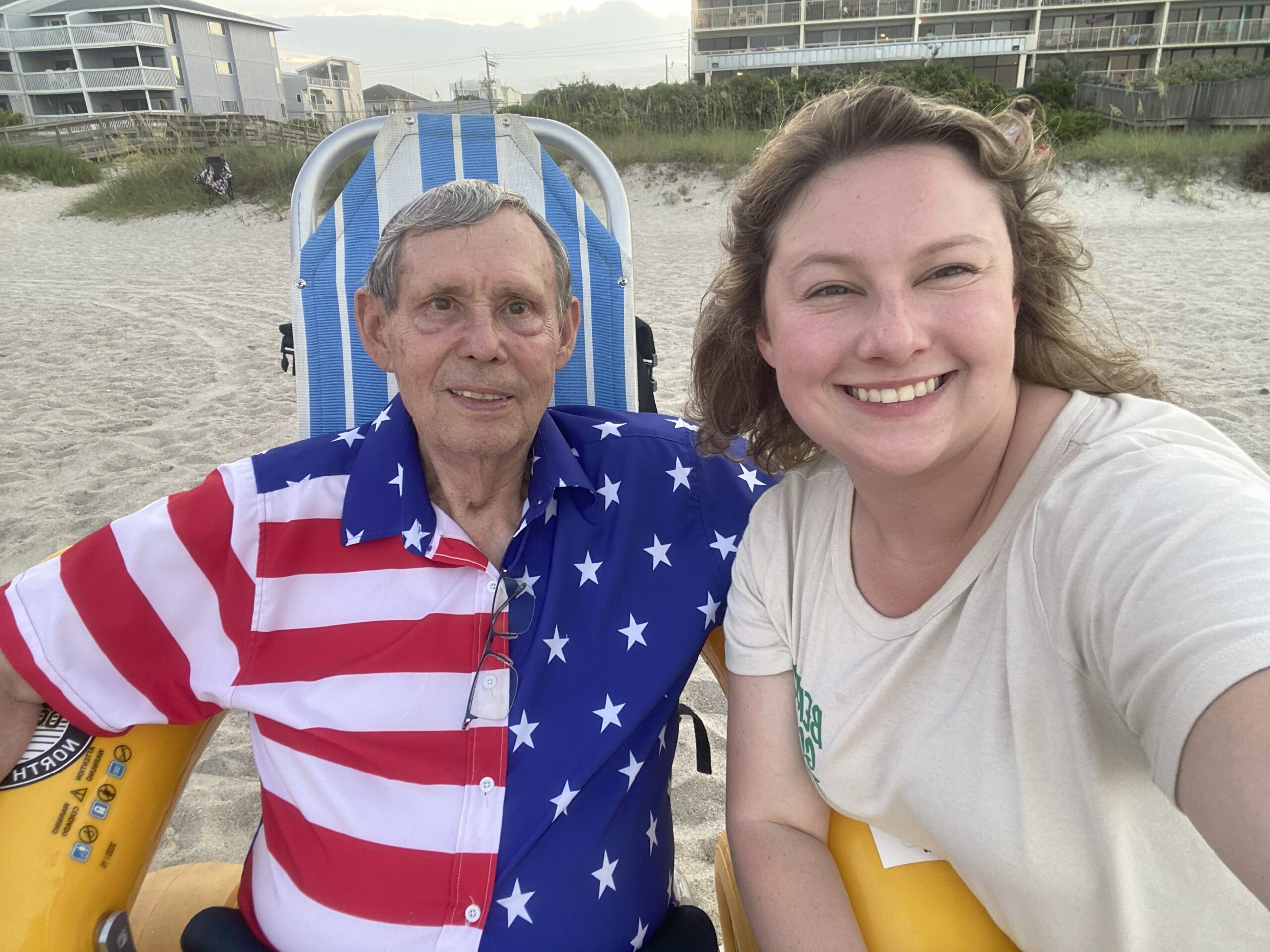
For most of us, a day at the beach sounds relaxing. Ocean breezes, the soothing sound of waves, flip flops, and sunshine. But for elderly adults, a beach trip often involves more than just fun in the sun. It can present a number of physical, logistical, and health-related challenges. That doesn’t mean older adults can’t enjoy the beach; it simply means a bit of thoughtful planning can go a long way. Let’s look at some common obstacles and practical solutions to make the experience safer and more enjoyable.
1. Mobility Challenges
The Problem:
Sand is difficult to walk on, especially for seniors who use walkers, canes, or wheelchairs. Uneven terrain, long distances from the parking lot, and the shifting sand can make mobility exhausting or even dangerous.
Solutions:
- Be mindful of balance and mobility issues.
- Choose beaches with accessible walkways and ramps.
- Consider renting or reserving a beach wheelchair. See the following links for free options subject to availability:
- At Wrightsville Beach through WB Parks and Recreation.
- At Carolina Beach, through the nonprofit Ocean Cure.
- At Topsail Beach, through the Topsail Beach Police Department.
2. Heat and Sun Exposure
The Problem:
Older adults are more susceptible to heatstroke, sunburn, and dehydration. Even short exposure can be risky, especially for those with chronic health conditions.
Solutions:
- Plan visits in the early morning or late afternoon/evening when it’s cooler.
- Make sure to bring plenty of water and hydrating foods for the length of your planned stay.
- Provide a shaded area (like an umbrella or pop-up tent).
- Bring cooling towels and high-SPF sunscreen.
3. Fatigue and Overexertion
The Problem:
What seems like a relaxing day can quickly lead to exhaustion. Just getting from the car to the water’s edge might be too much without breaks.
Solutions:
- Keep the visit short—1 to 2 hours may be ideal.
- Schedule rest stops and bring a comfortable chair.
4. Bathroom Accessibility
The Problem:
Many public beaches have restrooms that are far away, not wheelchair-accessible, or poorly maintained—an issue for seniors with medical needs or limited bladder control.
Solutions:
- Research beach facilities ahead of time to ensure ADA-compliant bathrooms are available.
- Bring a change of clothes and personal hygiene supplies just in case.
- Consider nearby accommodations or beachfront hotels with accessible restrooms if staying longer.
5. Difficulty Getting Out of Beach Chairs
The Problem:
Many beach chairs pose a challenge to senior adults. Low to the ground, easy to tip, and lacking sufficient arms, typical beach chairs make getting up difficult for elderly adults.
Solutions:
- Select chairs that sit higher off the ground.
- Look for chairs with sufficient arms for pushing up from the chair.
Final Thoughts
With a bit of planning, a beach trip can still be a joyful, therapeutic experience for elderly adults. The sound of waves, fresh air, and warm sun can boost mood and improve well-being. The key is to anticipate the challenges and adapt the outing to fit their needs. .
Subscribe
Date: July 10, 2025